
Last updated November 24, 2026
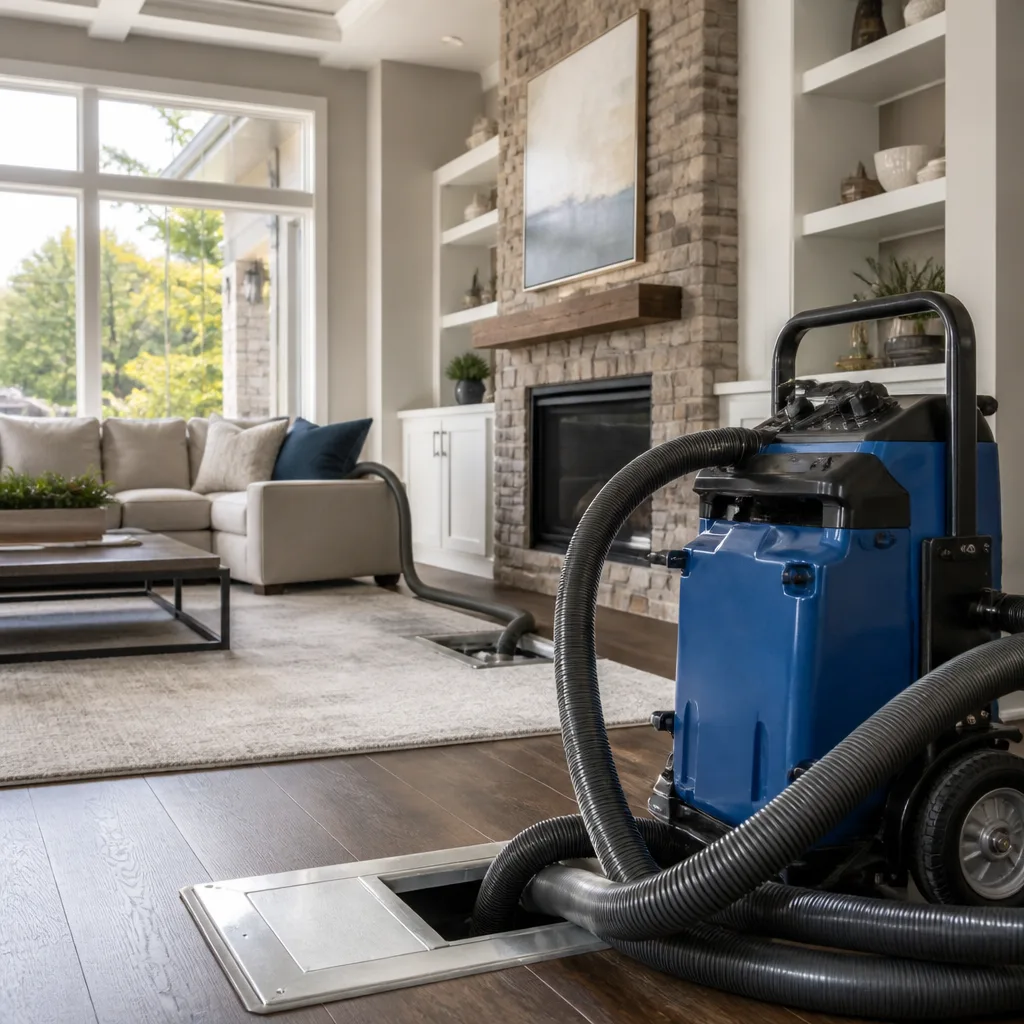 Whole-home duct cleaning
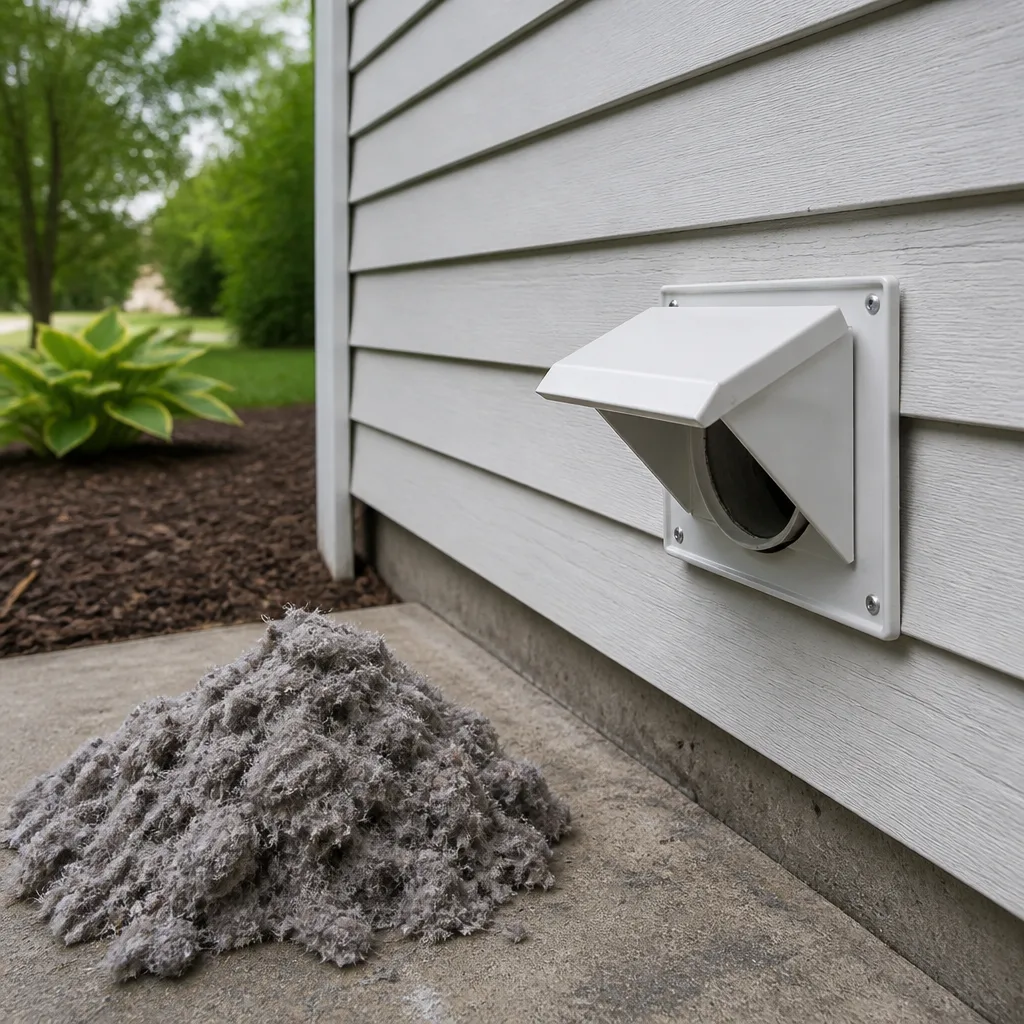 Dryer vent cleaning
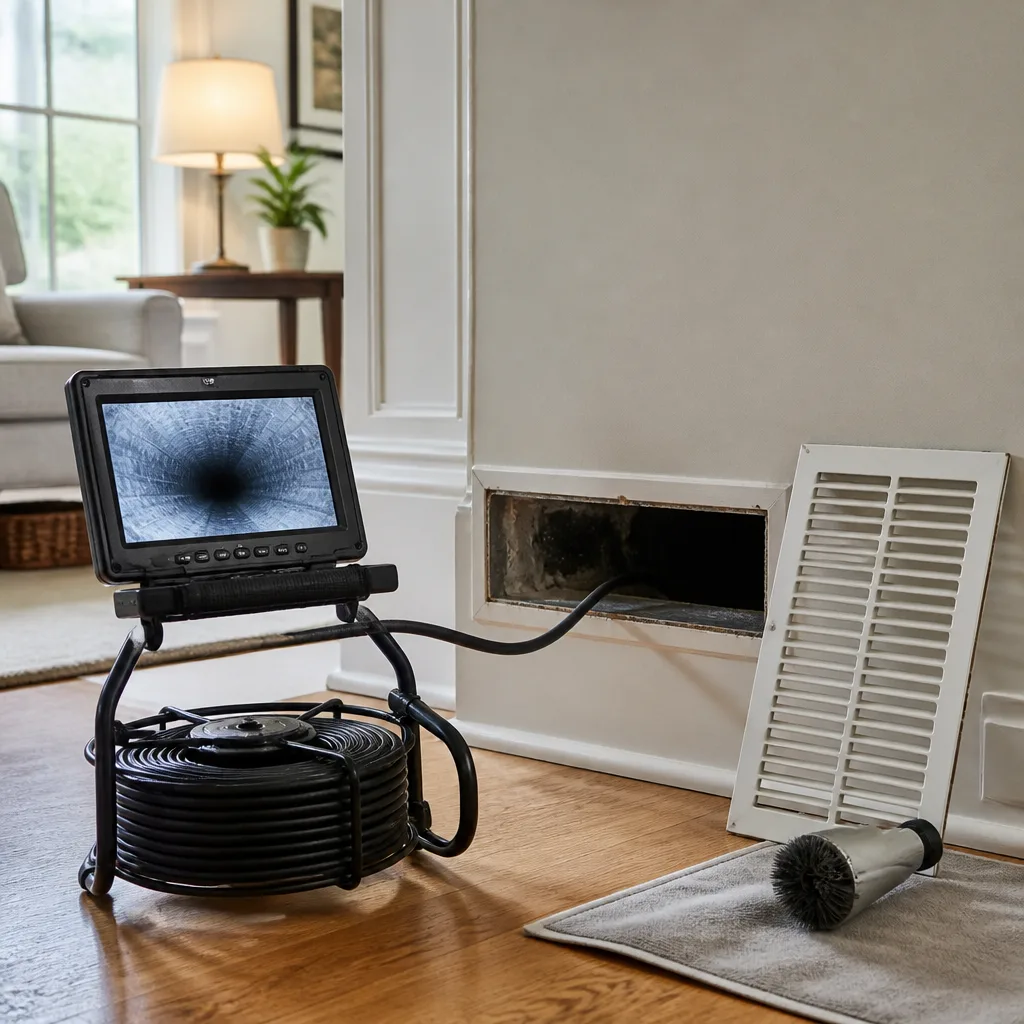 Camera inspection
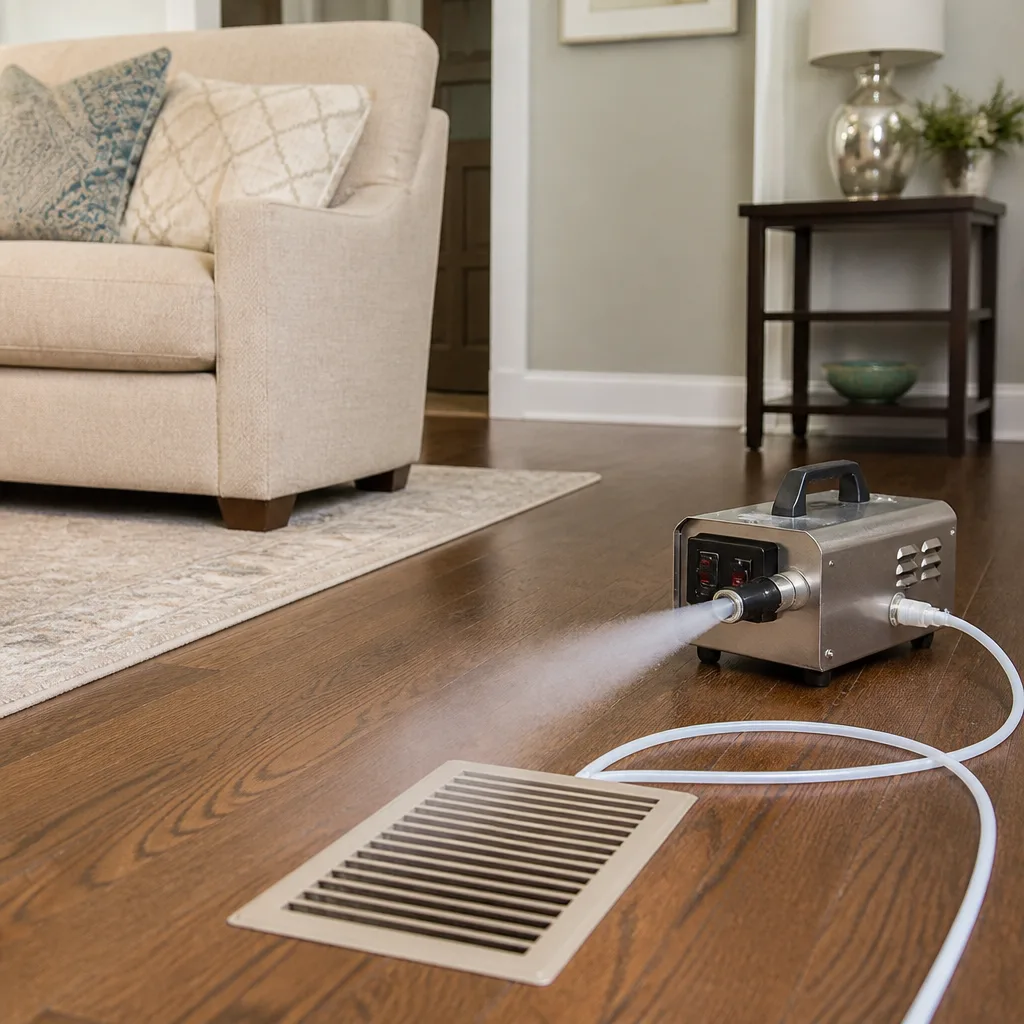 Sanitizing & deodorizing
Whole-system duct and dryer vent check with before-and-after photos - you see exactly what came out of your vents
That "$99 whole-house special" is a bait ad - the real number appears once they are in your hallway, or the "clean" is a shop-vac at the register. We photograph the inside of your ducts before and after instead.
Air Duct Cleaning Warning Signs: A Huntington Beach Homeowner’s Reference Guide
If your home smells fine until the AC kicks on, that’s not a “house smell.” That’s your duct system broadcasting exactly what’s accumulated inside it since the last time it ran. Most homeowners in Huntington Beach misread the signals because they look like unrelated problems: a musty odor blamed on the dog, black dust at the registers blamed on candles, allergy flare-ups blamed on pollen counts. This guide connects the sensory symptoms to the specific duct conditions causing them, shows you what to look for with nothing more than a phone flashlight, and explains how Huntington Beach’s climate, remodels, and wildfire smoke seasons change the timeline for when ductwork needs attention.
Quick Answer
The most reliable air duct cleaning warning signs are: a musty or stale odor that appears only when the HVAC runs, dark streaking that extends from the register onto the wall or ceiling, visible dust or fiber fallout settling near supply vents, allergy symptoms that worsen indoors during HVAC operation, and unexplained jumps in energy bills with no other cause. One or two isolated signs usually mean surface dust. Three or more together, especially after a remodel, water intrusion, or a smoke event, point to buildup inside the duct system that a professional inspection should verify.
Styles & brands we work with
- Whole-home duct cleaning
- Dryer vent cleaning
- Camera inspection
- Sanitizing & deodorizing
Table of Contents
- Warning Sign 1: The Odor That Only Appears When the System Runs
- Warning Sign 2: Dust Rings vs. Dark Streaking at the Registers
- Warning Sign 3: Allergy Symptoms That Track With HVAC Operation
- The Phone-Flashlight Inspection Protocol: What You’re Actually Looking At
- Post-Event Warning Signs Specific to Huntington Beach Homes
- Musty Ducts vs. a Dirty Evaporator Coil: Two Problems, One Symptom
- The Warning Sign Most Homeowners Never Check: The Dryer Vent
- When to Call a Professional
Warning Sign 1: The Odor That Only Appears When the System Runs
A smell that shows up the moment the air handler starts and fades when it stops is the single most diagnostic sign in this guide. It tells you the odor source is inside the air path, not in the room. If your living room smelled like a wet dog at rest, you’d investigate the carpet or the pet. If it only smells that way from the vent, the air handler is pulling that smell from somewhere in the system and pushing it into every room it serves.
Odor timing matters more than odor strength. Track three things for a week:
- Does it appear within seconds of the fan starting? That points to contamination near the air handler or in the return plenum, where air moves fastest and picks up the most odor.
- Does it appear only in certain rooms? That narrows it to a branch run, often a flex duct with a compromised interior liner or a run that passes through a humid space like a garage or crawl area.
- Does it get worse in humid weather? Huntington Beach’s coastal humidity in late summer and early fall feeds biological growth on any damp surface inside the system. Odor that worsens with humidity is a strong signal of microbial activity rather than plain dust.
What a musty smell is not: air freshener territory, or a problem you solve by running a portable purifier in the room. A purifier cleans the air it can reach. It does nothing about the reservoir of contamination the system keeps drawing from. In our experience, homeowners who describe “a smell I can’t find” usually have an odor source in the return side of the system that a proper inspection locates in minutes. If the smell is musty, persistent, and tied to HVAC operation, it’s worth an inspection before you spend money on anything else. For a closer look at how a full-system clean addresses this, see our air duct cleaning page.
Warning Sign 2: Dust Rings vs. Dark Streaking at the Registers
Every supply register collects a thin dark ring of dust over time. That’s normal settling, and it doesn’t mean your ducts need cleaning. The sign that matters is streaking: dark staining that starts at the register edge and extends outward onto the drywall, paint, or ceiling texture. Streaking means particles are being pushed out under velocity and depositing as they slow down against the wall surface, which points to a larger particle load inside the duct than simple settling explains.
How to tell the two apart
- Dust ring, normal: A soft, even gray-black halo hugging the register grille. Wipes off easily. Reappears slowly over months.
- Streaking, worth investigating: Dark lines or feather-shaped stains extending inches onto the wall or ceiling beyond the register frame. Often worst at the registers closest to the air handler, where velocity is highest.
- Particulate fallout, worth investigating: Fine dust or dark grit settling on horizontal surfaces directly below a supply. If a white shelf or a dark tabletop under a vent gets a fresh coat within days of cleaning, the system is shedding particles, not the room.
There’s a second streaking pattern that gets misread: soot-like deposits around registers in homes where candles are burned regularly or where a nearby kitchen exhaust recirculates. That’s real, and it’s a room problem, not a duct problem. The distinguishing factor is location. Candle soot tends to concentrate in the room where the candles burn and often shows at the return grille first. Duct streaking follows the supply side of the system and is usually worst in the rooms farthest from the return. If a wipe test with a white cloth shows dark gray material that smears rather than dusts off, that’s a signal to have the interior of the system looked at.
Warning Sign 3: Allergy Symptoms That Track With HVAC Operation
Outdoor pollen counts are the wrong metric. If a family member’s congestion, itchy eyes, or cough improves outdoors and worsens indoors, or if symptoms cluster in one room that happens to sit near a supply register, the trigger is likely inside the home. That’s a clinically meaningful pattern worth documenting, because it tells an inspector where to look and tells you something a blood test won’t.
How to document it in one week
- Note the times of day symptoms are worst and whether the HVAC was running.
- Check whether one room is consistently worse than the others. Note which register serves it.
- Compare symptom severity on days the system runs heavily versus mild days when it cycles less.
- Note any correlation with outdoor conditions: rainy days, windy days, wildfire smoke events.
- If symptoms track with HVAC operation rather than weather, that’s your signal.
We aren’t medical professionals, and we don’t diagnose allergies. What we can tell you is that homeowners in Huntington Beach often describe dust-related symptoms that improve after a full-system clean, and worsen again after a remodel or a smoke event, before they notice anything visual. The pattern, more than the severity, is what matters. If you’re seeing it, get the system inspected and rule out the duct side of the equation before assuming the problem is the outdoors or the mattress.
The Phone-Flashlight Inspection Protocol: What You’re Actually Looking At
You can learn a lot with a phone flashlight and five minutes. This isn’t a substitute for a professional inspection, and we’re deliberately not going to walk you through anything that involves removing panels, opening the air handler, or reaching into the duct beyond the register face. Those steps belong to someone with the right equipment and the right training.
What to do
- Turn the system off.
- Remove one supply register grille (most are held by two screws or a friction fit).
- Shine the flashlight into the duct at an angle, not straight in. Angled light shows surface texture.
- Look at the visible duct interior about six to twelve inches in. Note color, texture, and whether material is adhering or loose.
- Repeat at two or three registers around the home, including one on the far side from the air handler.
- Photograph what you see with the flash on, so you have a baseline to compare against after any work.
What you might see, and what it means
- Thin gray dust film: Normal settling. Not a call-out on its own.
- Fiber fallout, meaning pale or yellowish fiber strands or clumps: This is typically interior liner material from flex duct that has broken down. It’s a duct condition, not just a cleaning issue, and it often means repair or replacement of that run.
- Insulation debris, meaning darker fibrous chunks: Similar story, and often associated with poorly sealed joints or rodent activity in the attic run.
- Dark biofilm or a damp, smeared appearance: This is the one that most strongly suggests biological growth, and it’s a signal to call a professional for a proper inspection, not to clean it yourself. Disturbing microbial growth without containment can spread it into the living space.
- Visible standing water, rust, or a musty blast of air: Stop here and call. Water in the duct system is a different problem with a different fix.
If the interior looks normal at the register face, that’s useful too. It tells you the problem, if there is one, is likely deeper in the system or on the equipment side, and that’s what a professional inspection resolves. A proper inspection uses equipment like the Rotobrush and Nikro systems our technicians work with to see and clean beyond the visible register face. Note: anything involving the air handler, electrical components, or gas lines inside the unit is not a homeowner task. Those parts sit next to live voltage and, in gas furnaces, a fuel supply. Leave them to a trained professional.
Post-Event Warning Signs Specific to Huntington Beach Homes
Huntington Beach has three recurring events that change the duct contamination timeline: wildfire smoke events, water intrusion near the HVAC system, and major remodels. Each one throws different signals, and each has a different urgency.
After a wildfire smoke event
Smoke travels on fine particles that pass through standard filters and settle inside ductwork on surfaces the filter can’t protect. The smell is the obvious signal, but the subtler one is a fine gray film on horizontal surfaces inside the home that keeps returning after cleaning. If your home had windows open or the system running during a smoke event and you’re seeing either sign weeks later, the duct system is worth inspecting. Abatement Technologies filtration equipment is what professional crews reach for on this kind of job because it captures particles that a shop vacuum recirculates.
After water intrusion near HVAC
A plumbing leak, an overflowing condensate pan, or a roof leak that reaches the attic run can leave moisture in the system without any visible water in the living space. The warning signs are a musty smell that appears only on humid days, condensation on register grilles, and a sudden uptick in allergy-type symptoms in the home. Any of these after a known leak means the duct system needs inspection, not just cleaning. Water damage inside a duct is a repair-and-sealing situation as much as a cleaning situation, and it’s one of the reasons our technicians handle HVAC cleaning and duct repair on the same visit.
After a major remodel
Drywall dust is finer and more abrasive than household dust, and it travels. Post-remodel warning signs include a visible haze on furniture in rooms the system serves, a faint chalky smell, and registers that fill with white powder faster than usual. Construction dust also clogs filters quickly, which puts extra load on the blower. If you remodeled within the last year and haven’t had the system inspected since, that’s a good reason to schedule one, regardless of what the register faces look like.
Musty Ducts vs. a Dirty Evaporator Coil: Two Problems, One Symptom
Musty odor is the most common warning sign and the one most often misdiagnosed, because two different problems produce it: biological growth in the ductwork, and a dirty evaporator coil in the air handler. The fixes are different, and cleaning the ductwork won’t resolve a coil problem. The clues that separate them are worth knowing before you spend money.
Duct-side musty odor
- Odor is localized: certain rooms smell worse than others.
- The smell is strongest when the system first starts, then weakens.
- Odor is worse after rain or humid weather, and improves in dry spells.
- A flashlight inspection of the register face shows dark or smeared surfaces.
Coil-side musty odor
- Odor is uniform: the whole home smells the same.
- The smell is strongest about five to ten minutes into a cooling cycle, once the coil has been wet and condensation has started.
- Odor is often worst in cooling season and weak in heating season.
- There may be a faint chemical or “wet metal” note to it, not just a musty smell.
- The air handler cabinet, when opened by a technician, shows dirty or fouled coil fins.
Many Huntington Beach homes have both at once. That’s one reason we handle duct cleaning, HVAC cleaning, and sanitizing under one roof: a full-system diagnosis prevents the “we cleaned the ducts and the smell came back” outcome that happens when the coil side is missed. If the pattern above sounds familiar, call (855) 658-4076 for a free estimate. We answer 24/7. Fast dispatch from 7am to 7pm, Sunday through Friday.
The Warning Sign Most Homeowners Never Check: The Dryer Vent
Dryer vent neglect is a documented leading cause of residential fires, and its warning signs are quiet. A dryer that takes two cycles to dry a load, a load that feels hotter than it should at the end, lint collecting around the vent hood outside, or a dryer that smells slightly warm or scorched during operation all point to restricted airflow. Those are the same warning signs that show up before a vent fire, and they’re easy to explain away as “the dryer is getting old.”
A dedicated dryer vent inspection is worth doing once a year, and the visual check is something you can do in under a minute: go outside and find the vent hood. If lint is visible around or on the flapper, or if the flapper doesn’t open freely when the dryer runs, the vent is restricted. If the vent line runs long with multiple elbows, or passes through a wall to the exterior, it needs a professional clean more often. We offer dryer vent cleaning as a standalone service because it’s a whole-home safety item, not a side note to duct cleaning. If you can’t remember the last time yours was cleaned, that’s your warning sign.
Common Mistakes to Avoid
- Blaming the pets or the candles first. A smell that appears only when the HVAC runs has an HVAC source. Eliminate that variable before you replace the dog bed.
- Trusting a coupon price as a final price. A very low headline number usually becomes a much larger invoice once the technician is on site. Ask for a flat price per system, agreed before work starts.
- Cleaning the ducts but skipping the repair. If the system has failed duct joints or broken liner, cleaning without sealing reseeds the problem within a season. In Huntington Beach homes with attic runs, this is the most common way a duct cleaning gets undone.
- Assuming a portable air purifier solves the problem. It cleans the air it can reach. It does nothing about the contamination reservoir the system keeps pulling from.
- Skipping the inspection after a wildfire smoke event or a remodel. Both events deposit material the filter can’t catch, and neither shows up as an obvious symptom until weeks or months later.
- Letting a dryer vent go unaddressed because the dryer still “works.” Long dry times and a warm dryer are exactly the warning signs to act on, not shrug at.
- Not asking for before-and-after photos. If the company can’t show you what your ducts looked like before and after the work, you have no way to confirm the work was done. Ask up front.
See the difference
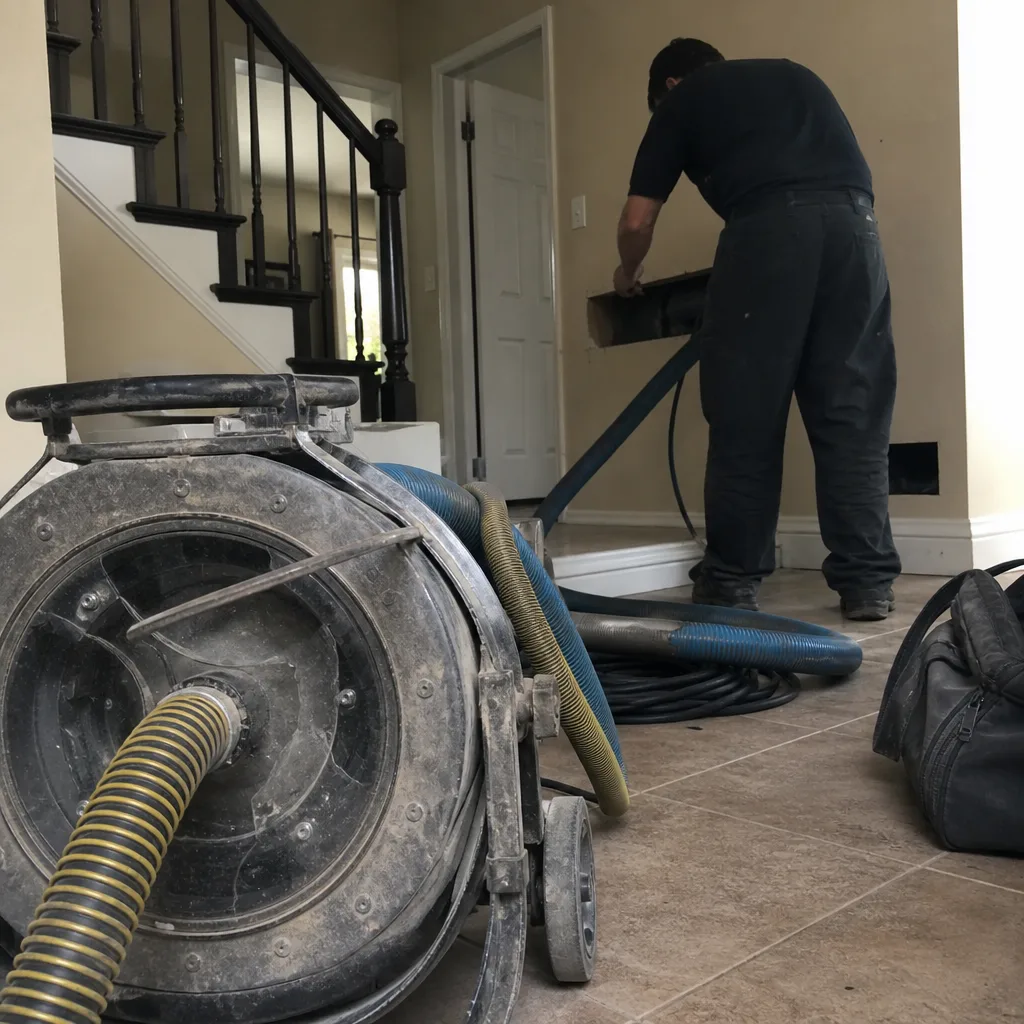 Before
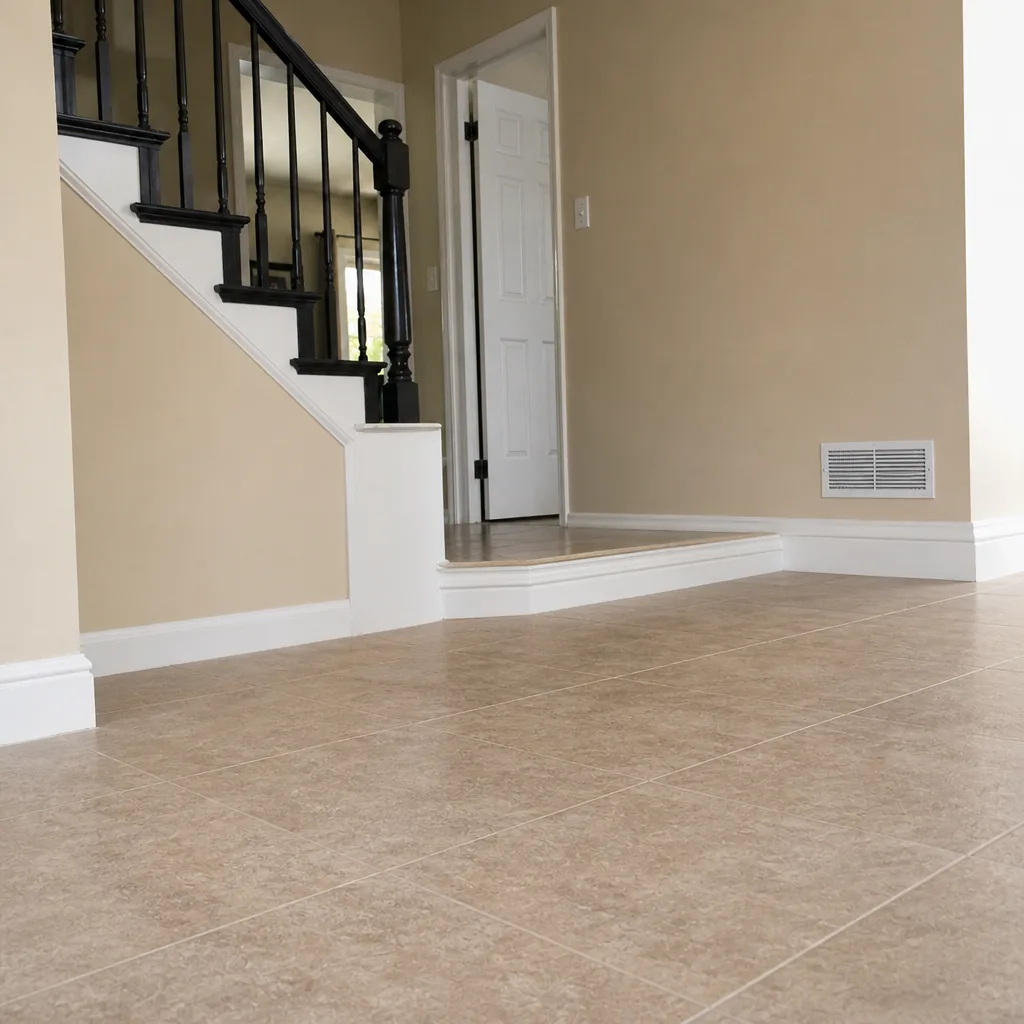 After
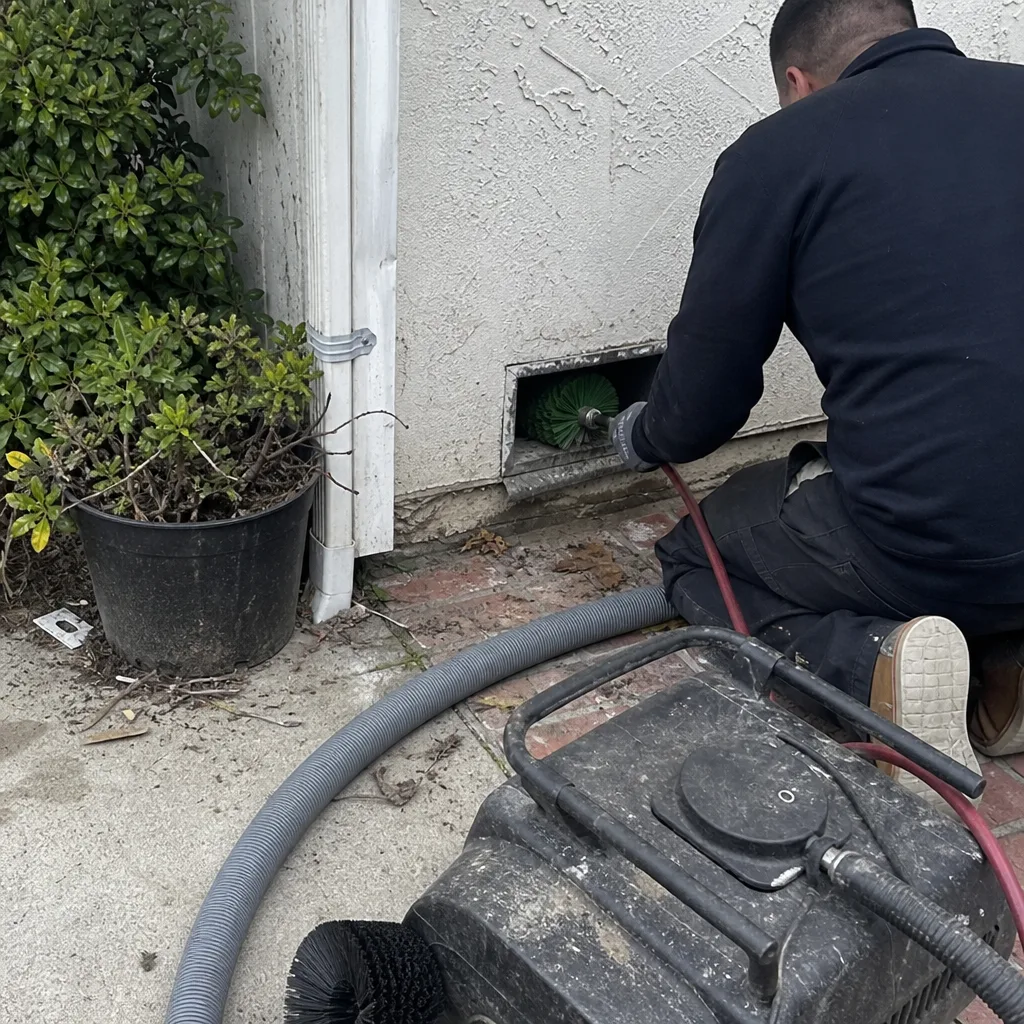 Before
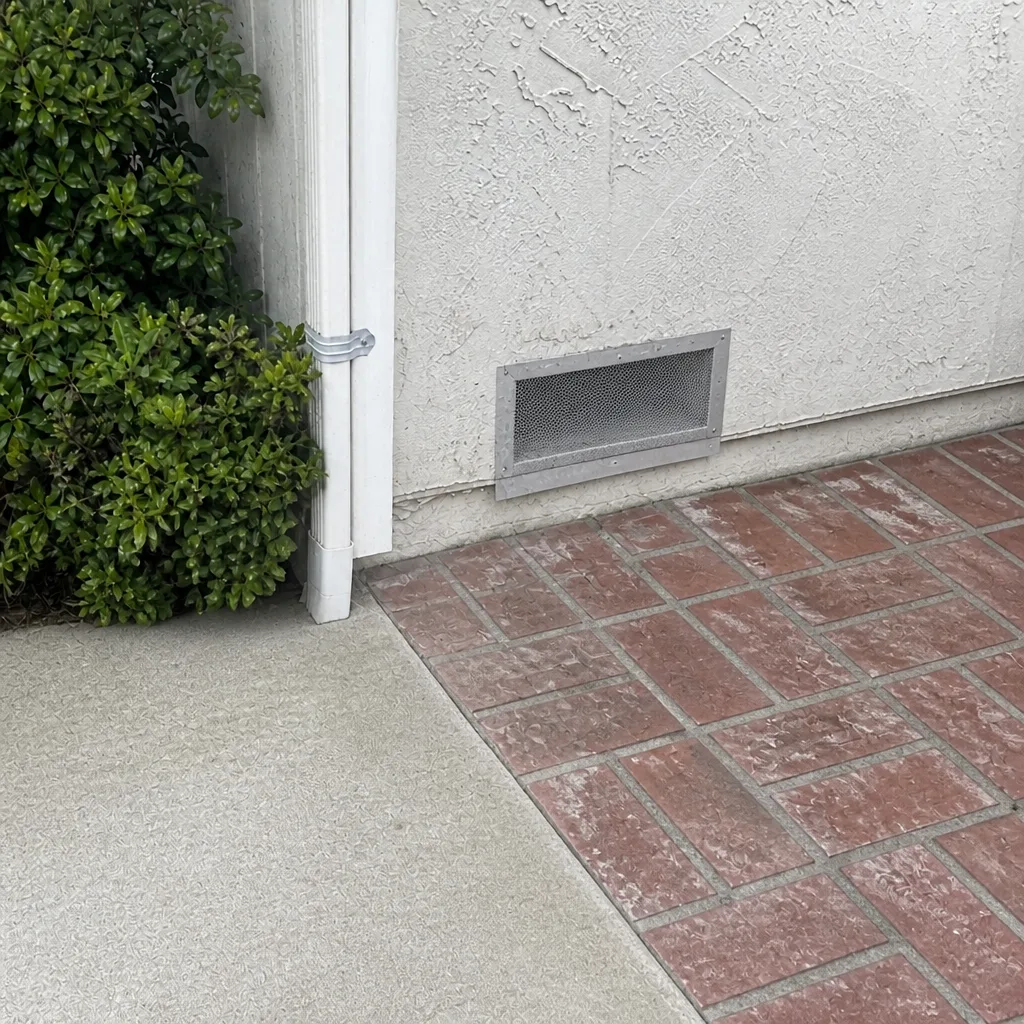 After
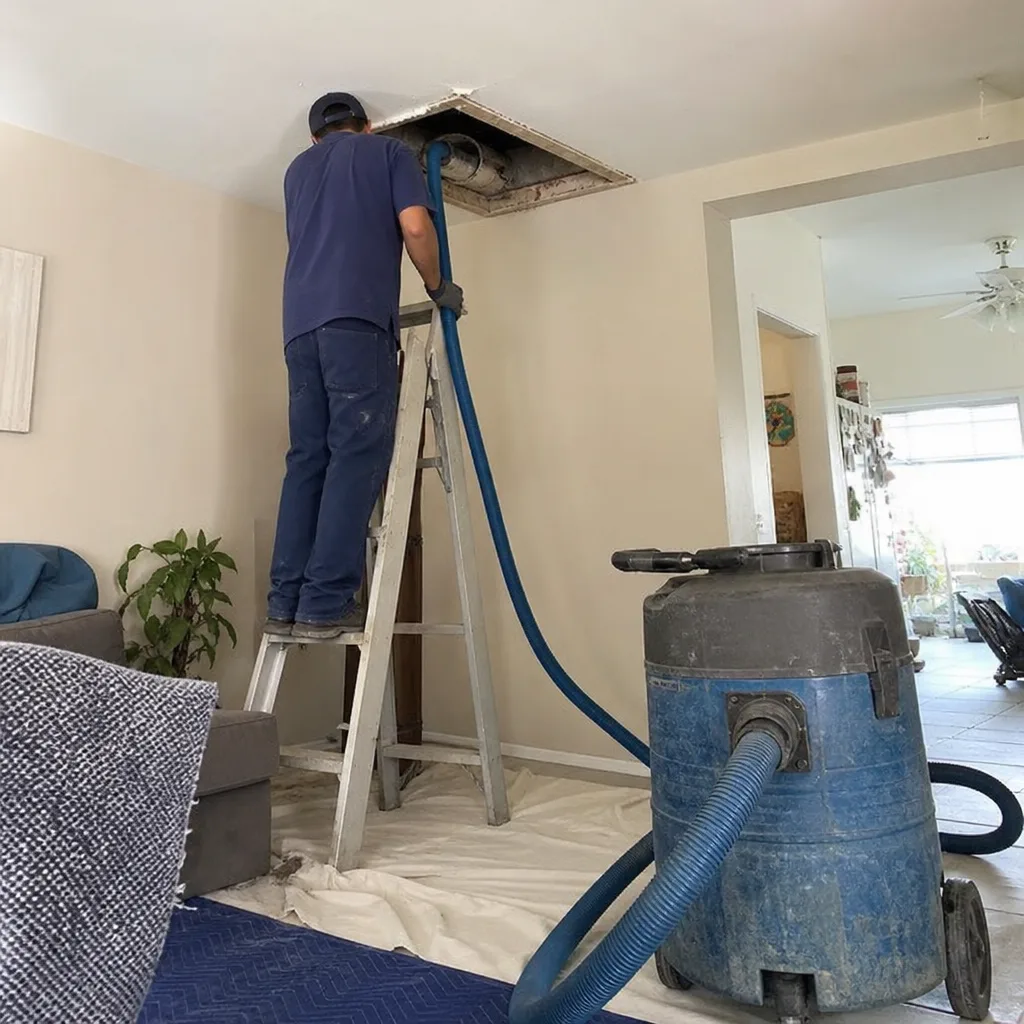 Before
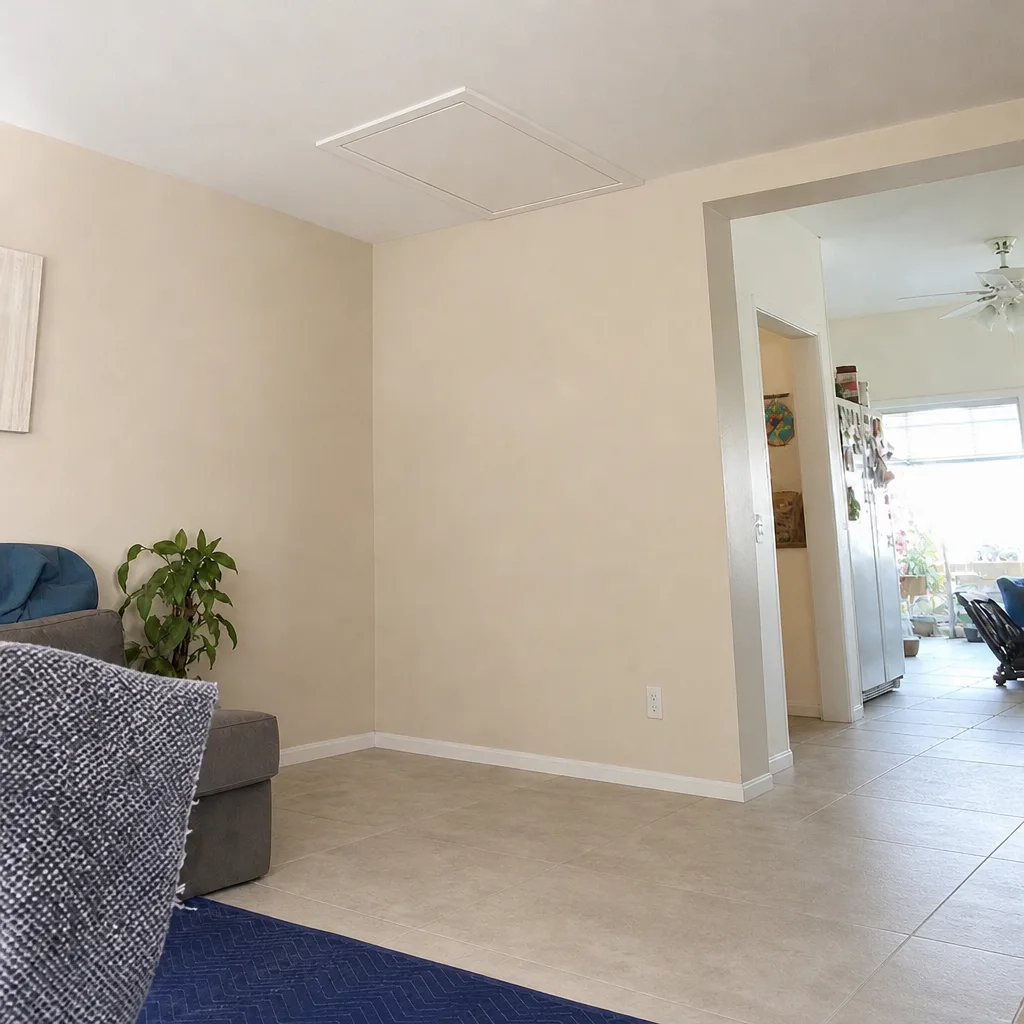 After
When to Call a Professional
Call a professional when you’ve confirmed two or more of the warning signs in this guide, when you’ve had a wildfire smoke event, a water intrusion, or a major remodel since the last inspection, when your dryer takes more than one cycle to dry a load, or when the visible duct interior shows fiber, biofilm, or water. Don’t call for a single dust ring. Do call if you’re not sure, because an inspection answers the question cheaply and an inspection that finds nothing is still useful information.
Huntington Beach Air Duct Cleaning Co offers free estimates in Huntington Beach. Call (855) 658-4076. We answer 24/7. Fast dispatch from 7am to 7pm, Sunday through Friday. The local pro we connect you with is licensed and insured as their state requires, and you’ll get a flat price per system agreed before work starts, plus before-and-after photos of your own ducts. Our technicians have up to 13 years of experience, and they work with Rotobrush, Nikro, Aprilaire, and Guardsman equipment, which is what separates a professional-grade full-system clean from a shop-vac shortcut.
Frequently Asked Questions
You need cleaning if you have three or more of the warning signs together: a musty odor tied to HVAC operation, dark streaking on walls beyond the register, visible fiber or biofilm inside the register face, allergy symptoms that track with the system running, or a recent wildfire smoke event, water intrusion, or remodel. A single dust ring at a register is normal settling and doesn’t mean cleaning is needed. Call (855) 658-4076 for a free inspection estimate if you’re not sure.
A thin dark halo hugging the register grille is normal settling and doesn’t mean your ducts are dirty. It becomes a warning sign when the dark staining extends onto the wall or ceiling beyond the register frame, which points to particle deposition under velocity. Streaking near the registers closest to the air handler is the most reliable version of this sign. Call us for an inspection if you see it.
Because the air handler is drawing the smell from somewhere inside the air path and distributing it into the rooms. The two most common sources are biological growth in the ductwork and a dirty evaporator coil in the air handler. If the smell is localized to certain rooms and strongest at startup, it’s probably duct-side. If it’s uniform across the home and peaks a few minutes into the cooling cycle, it’s probably the coil. Call (855) 658-4076 for a diagnosis that separates the two before you spend money on the wrong fix.
They can be, if symptoms correlate with HVAC operation rather than with outdoor pollen counts. Document the pattern for one week: note which rooms are worst, whether the system was running, and whether outdoor conditions changed. If symptoms track with the system rather than the weather, it’s a signal worth a professional inspection. We can’t diagnose allergies, but we can rule out the duct side of the equation with a free estimate. Call (855) 658-4076.
There’s no universal number. Homes with pets, recent remodels, wildfire smoke exposure, or water intrusion need it more often than homes without those conditions. A practical rule: inspect every few years, and inspect immediately after a smoke event, water intrusion, or major remodel, regardless of schedule. An inspection that finds nothing is cheaper than cleaning a system that didn’t need it. Call (855) 658-4076 for a free estimate.
Because the low headline price often isn’t the final price. A coupon-style quote frequently becomes a much larger invoice once the technician is on site and finds “problems” that weren’t in the original scope. Ask for a flat price per system, agreed before work starts, and ask for before-and-after photos of your own ducts. Those two requests filter out most of the bad actors. Call (855) 658-4076 for a written estimate with no surprises.
The Bottom Line
Most duct warning signs look like something else: a dog smell, a candle stain, a pollen flare-up, a dryer that’s getting old. The guide’s job is to connect those symptoms back to the air system, because that’s where the fix lives. Track odor timing, photograph your register faces, document allergy patterns against HVAC operation, and inspect immediately after a wildfire smoke event, a leak, or a remodel. Two or more signs together justify a professional inspection. One sign alone usually doesn’t. And if you’re not sure, a free estimate answers the question. For the broader picture of what we handle in Huntington Beach, see Huntington Beach Air Duct Cleaning Co, and for related guides, drop us a line. You’ll get professional-grade equipment, a flat price per system, and before-and-after photos of your own ducts.
Call (855) 658-4076 for a free estimate. We answer 24/7. Fast dispatch from 7am to 7pm, Sunday through Friday.
Written by the team at Huntington Beach Air Duct Cleaning Co.