
Last updated November 24, 2026
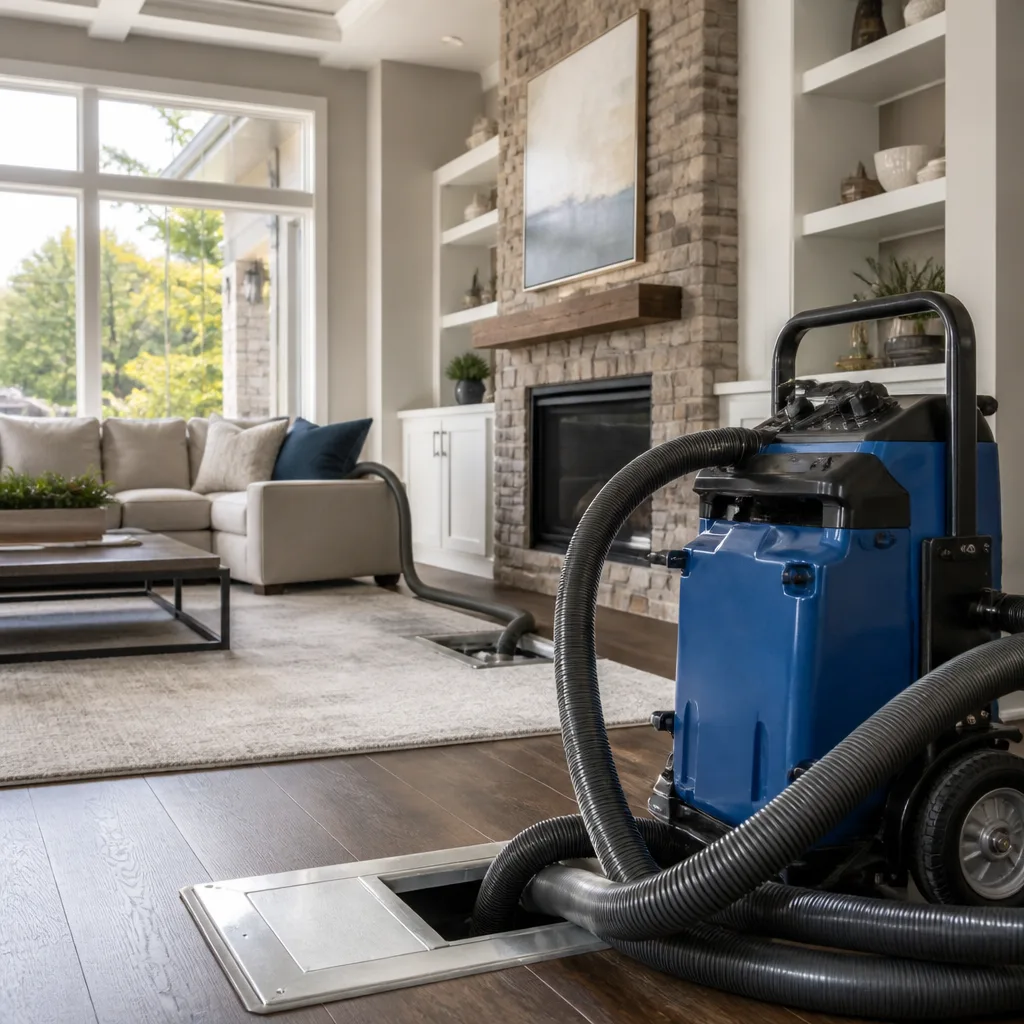 Whole-home duct cleaning
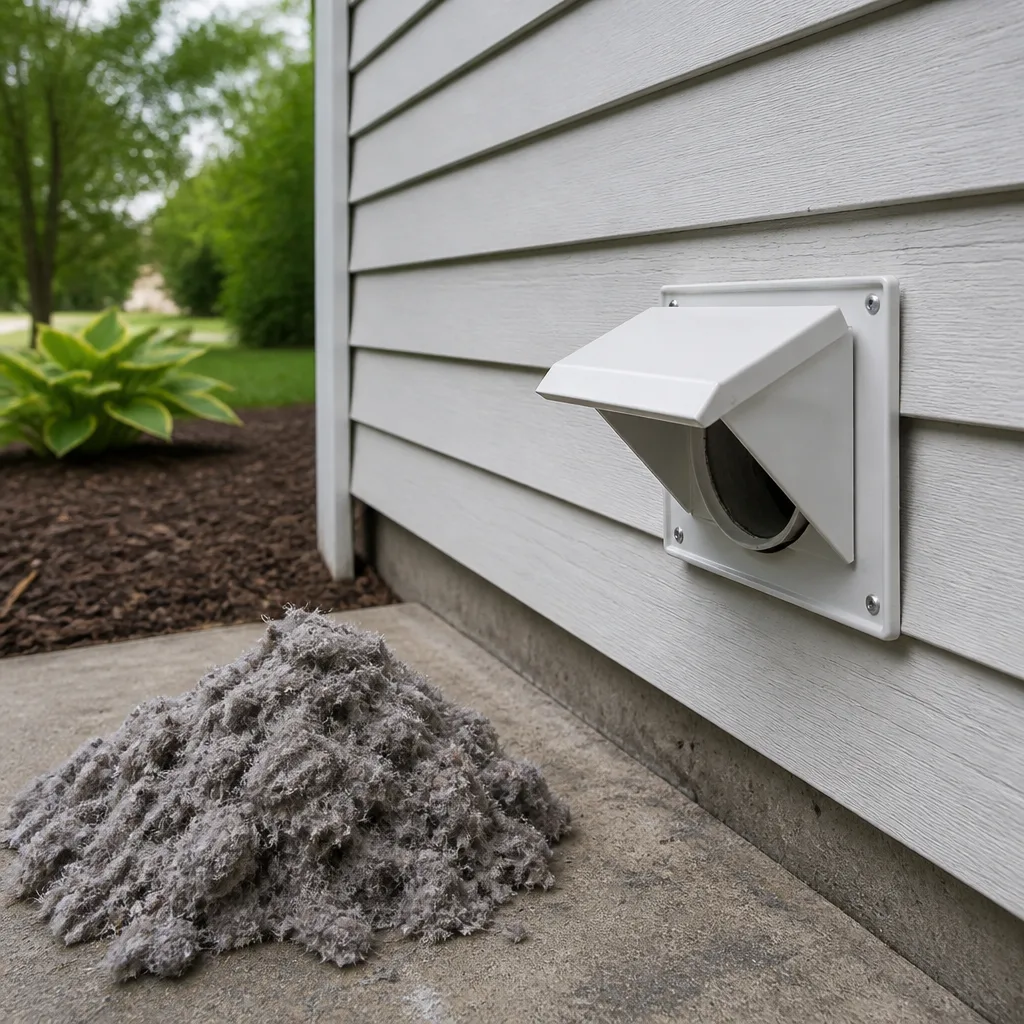 Dryer vent cleaning
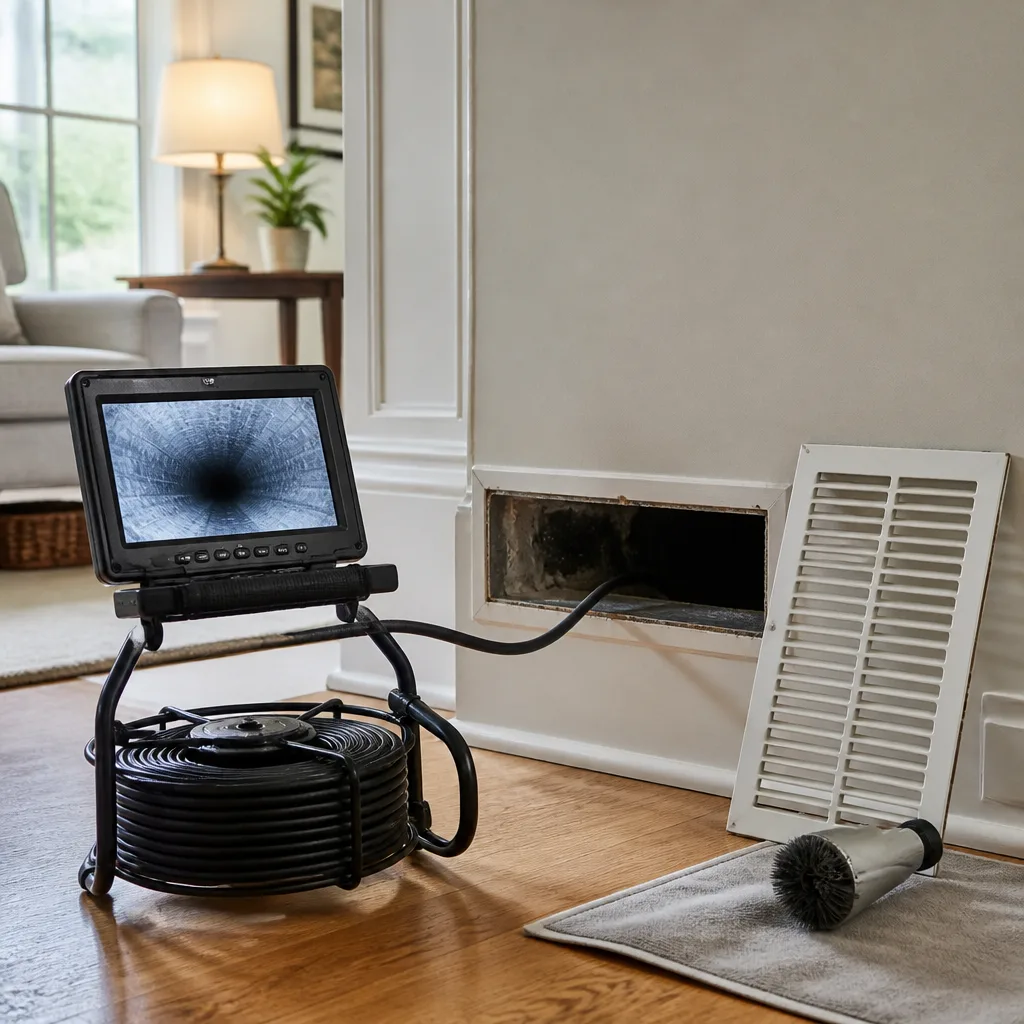 Camera inspection
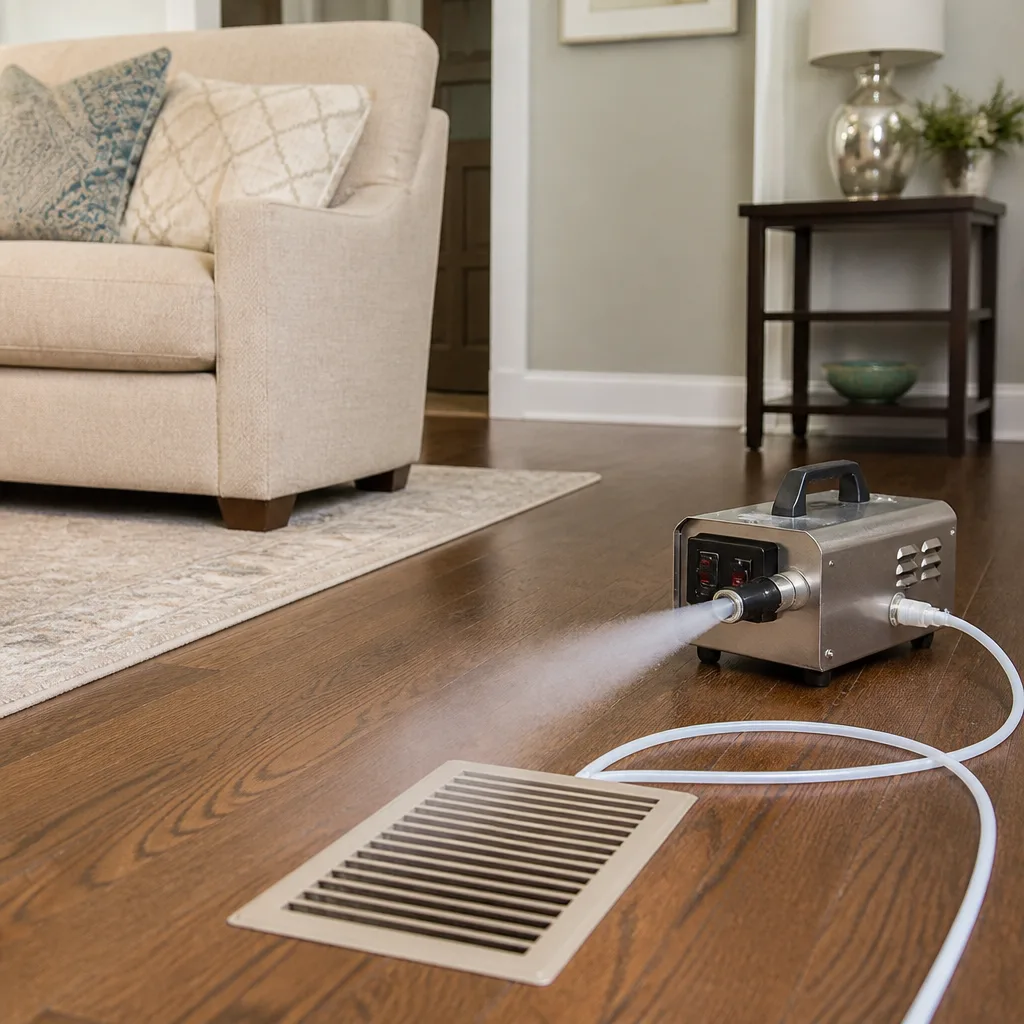 Sanitizing & deodorizing
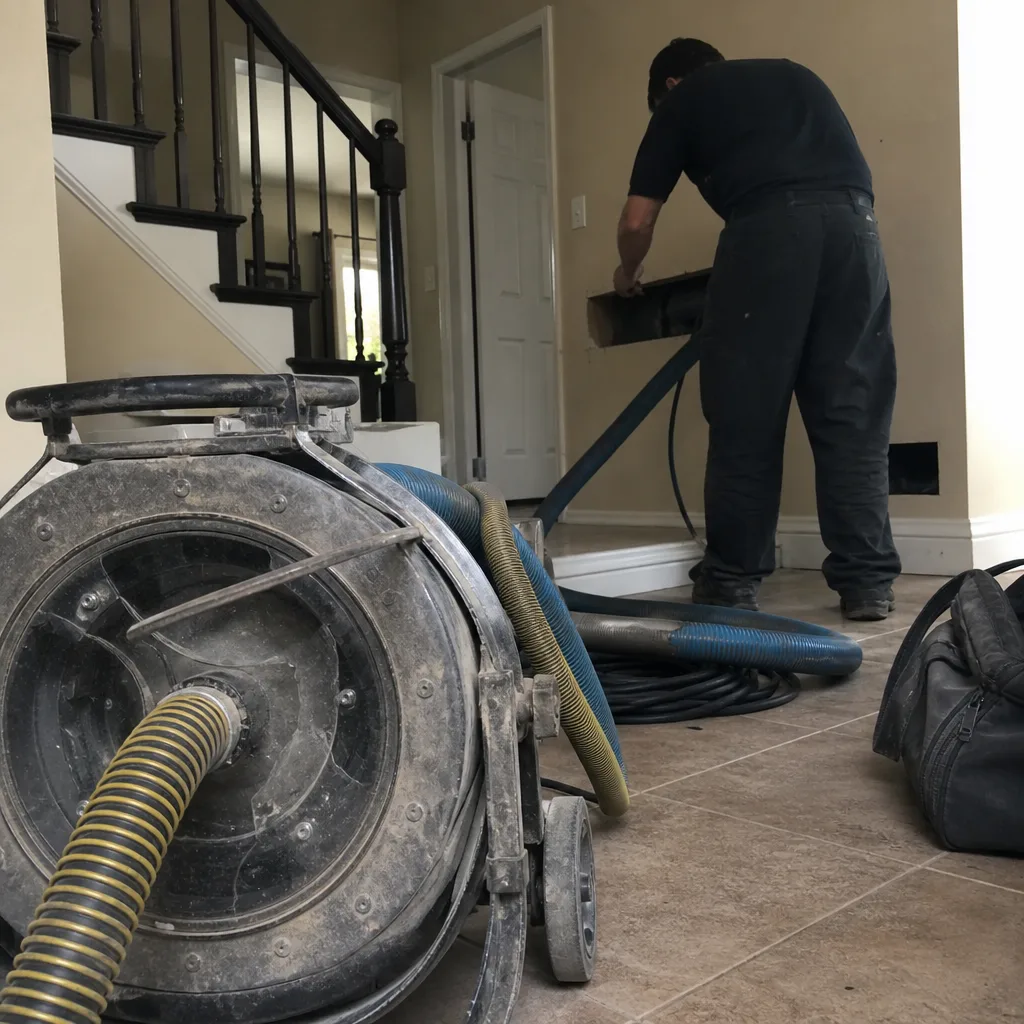
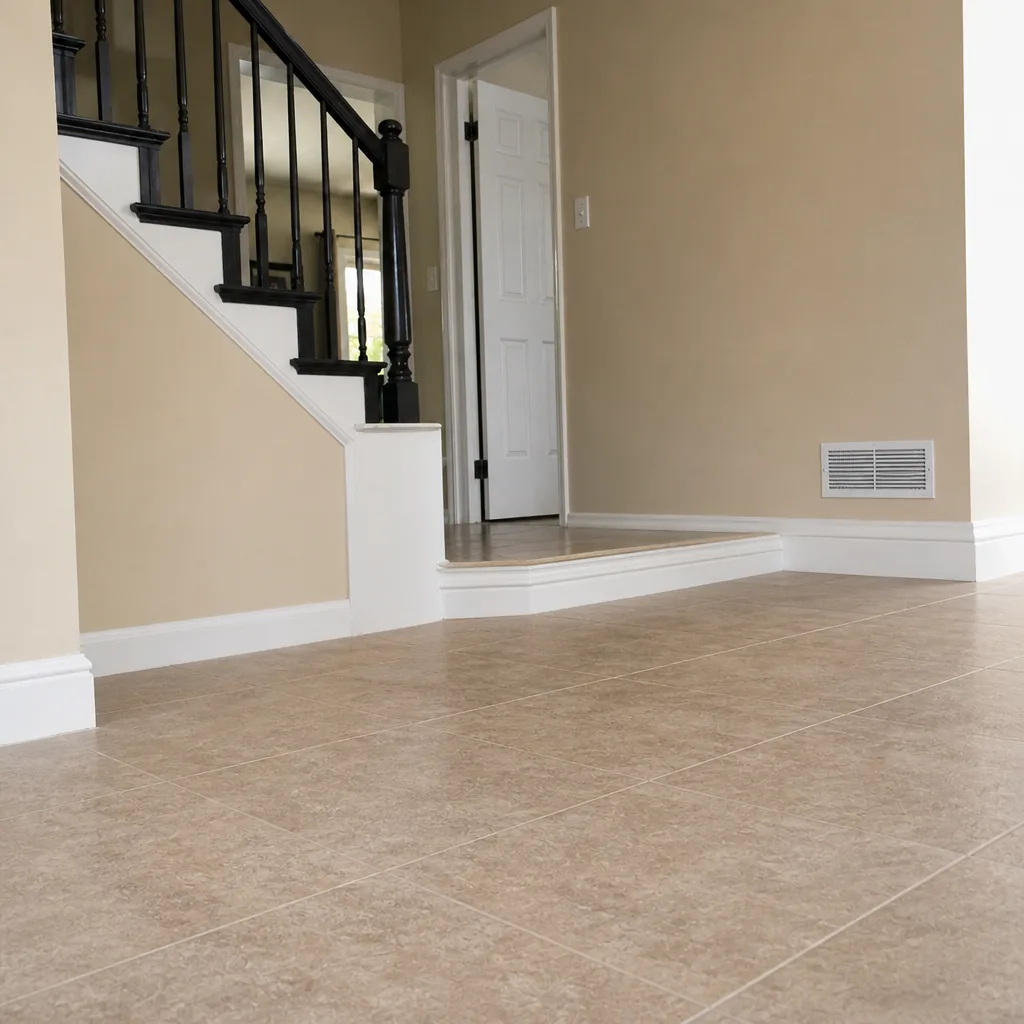
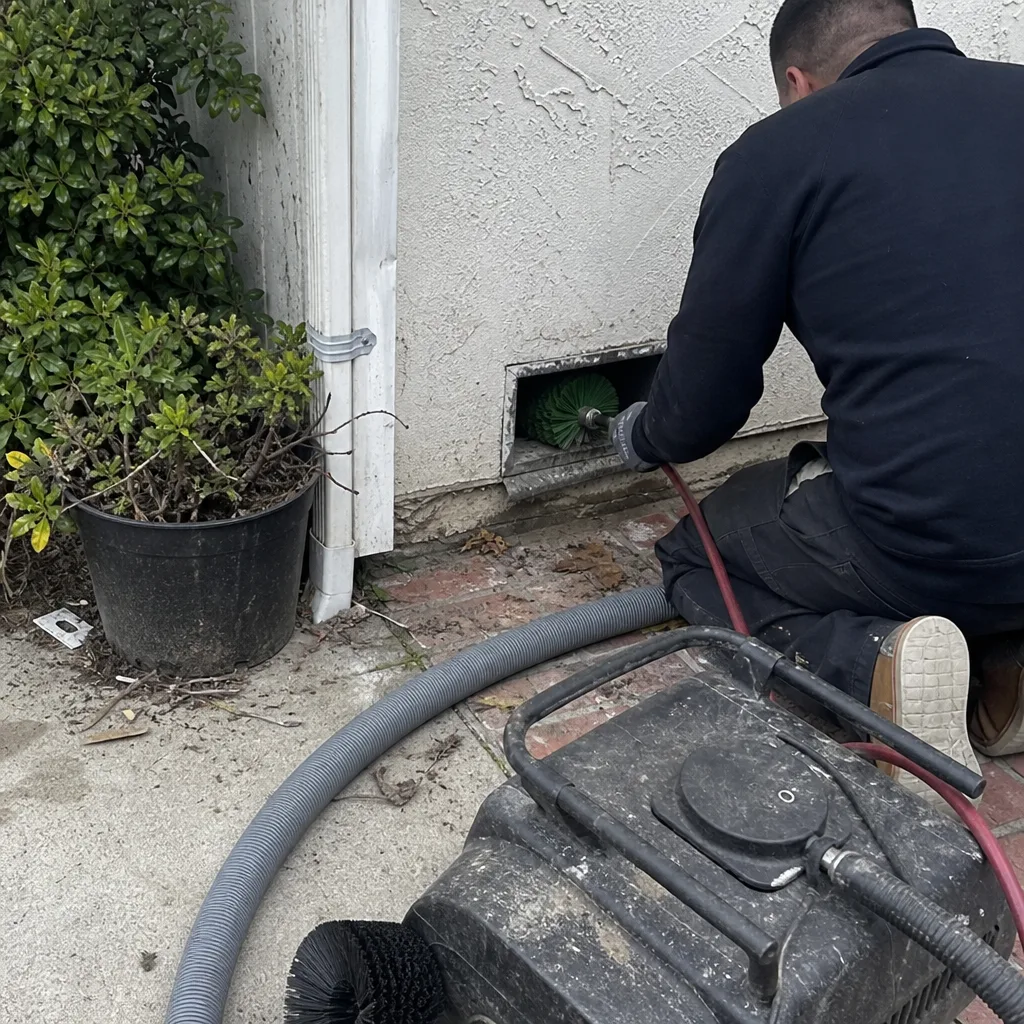
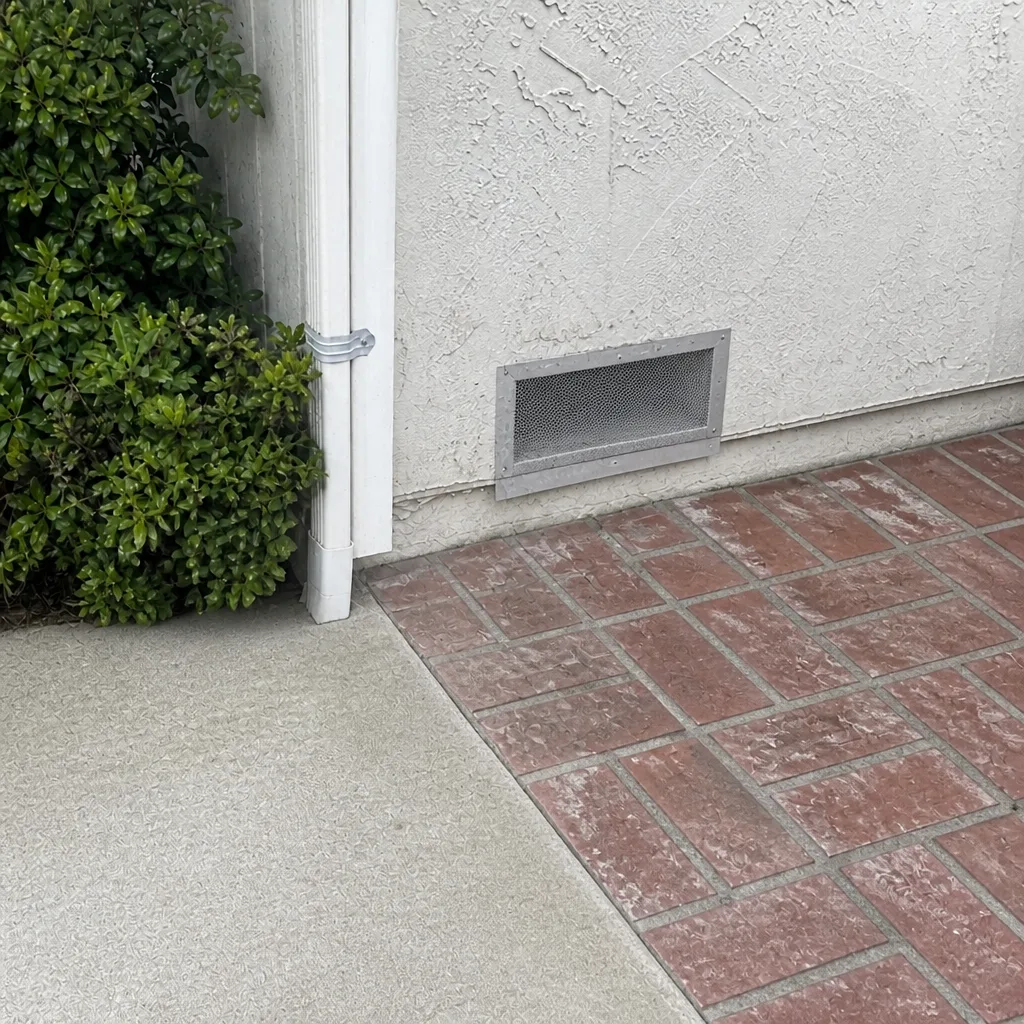
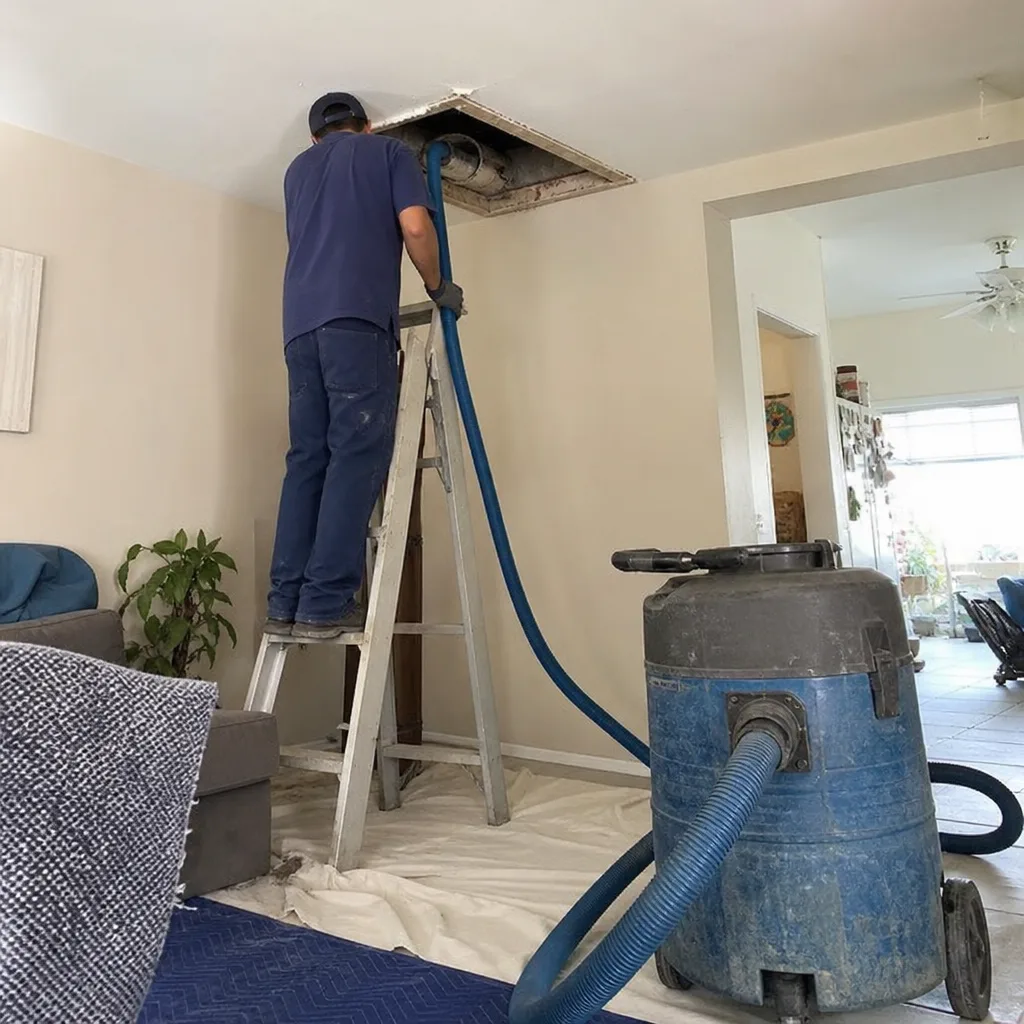
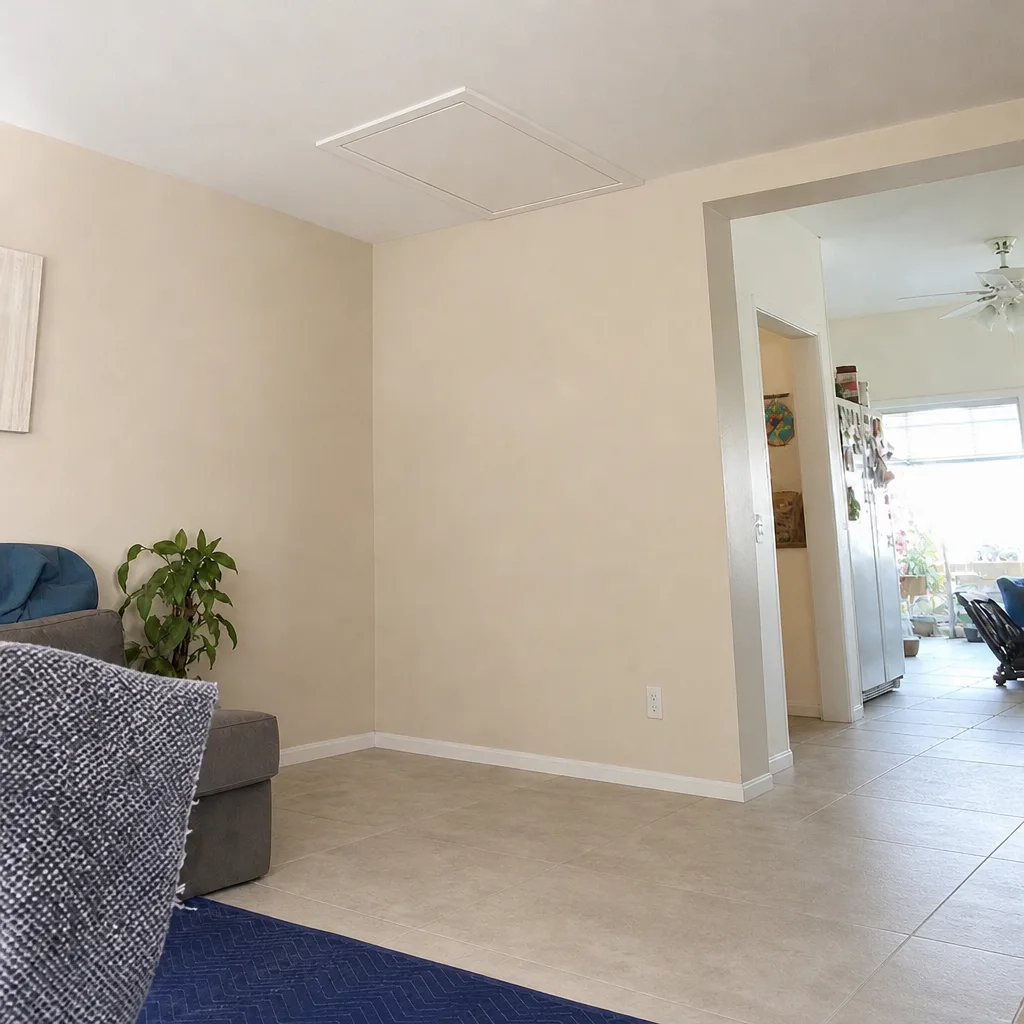
Whole-system duct and dryer vent check with before-and-after photos - you see exactly what came out of your vents
That "$99 whole-house special" is a bait ad - the real number appears once they are in your hallway, or the "clean" is a shop-vac at the register. We photograph the inside of your ducts before and after instead.
The Complete Guide to Air Duct Cleaning in Huntington Beach
Most duct-cleaning guides are written for Phoenix or Atlanta. Huntington Beach sits in a coastal air basin where June Gloom moisture, beach-corridor sand, traffic exhaust from the 405 and 605, and wildfire smoke pushed in by Santa Ana winds can all hit the same duct system within a single season. That combination is why generic advice about “cleaning your ducts once a year” falls flat here. The housing stock matters too: the tract homes built through the 1960s, 1970s and 1980s have duct layouts that don’t behave like newer construction. This guide covers what actually happens inside Huntington Beach ductwork, what a real clean involves, how to tell a professional job from a cheap one, and what it should cost.
Styles & brands we work with
- Whole-home duct cleaning
- Dryer vent cleaning
- Camera inspection
- Sanitizing & deodorizing
Quick Answer
Air duct cleaning in Huntington Beach removes accumulated dust, sand, allergen particulate and moisture-driven microbial growth from the supply and return ductwork, the air handler coil and the drain pan. A proper job follows NADCA ACR assessment and cleaning standards using professional-grade equipment, not a shop vac. Expect to pay roughly $400-$900 for a typical single-family home depending on system size, accessibility and condition, with the final price set by a written estimate before work starts.
Table of Contents
- Why Huntington Beach Ductwork Is Different
- Coastal Humidity and Flex Duct Versus Rigid Metal
- The Particulate Sources Unique to Huntington Beach
- How 1960s-1980s Tract Homes Change the Job
- What NADCA ACR Standards Actually Require
- Full-System Inspection Versus a Duct Blow-Out
- How Much Does Air Duct Cleaning Cost in Huntington Beach?
- The Dryer Vent Problem Most Homeowners Ignore
- Common Mistakes to Avoid
- When to Call a Professional
- Frequently Asked Questions
- The Bottom Line
Why Huntington Beach Ductwork Is Different
Huntington Beach sits in a coastal air basin with a marine layer that keeps relative humidity elevated through much of the year, especially in the June Gloom months. That humidity doesn’t just make the air feel damp; it changes how ductwork accumulates contamination. Dust that would stay powdery and dry in a desert climate instead clumps on duct walls, sticks to flex duct liners, and gives mold spores the moisture they need to colonize. Layer in particulate from the beach corridor, traffic exhaust that drifts inland from the freeway interchanges, and wildfire smoke that funnels in on Santa Ana winds, and you get a duct environment that builds up faster and more stubbornly than the national average.
None of that means every Huntington Beach home needs aggressive treatment. It means the diagnosis has to be specific. A technician who cleans ducts in Huntington Beach without assessing moisture, duct material and particulate load is guessing. In our experience, the homes that build up the fastest are the ones with flex duct runs, unconditioned attic space above, and a return grille positioned near a garage or kitchen where fine particulate drifts in.
- Marine-layer humidity keeps ducts damp enough to support microbial growth
- Beach-corridor sand and silt infiltrate the return side first
- Freeway exhaust from the 405 and 605 corridors adds fine combustion particulate
- Santa Ana winds carry inland wildfire smoke across the basin
- Older tract-home duct geometries amplify all of the above
Coastal Humidity and Flex Duct Versus Rigid Metal
Flex duct and rigid metal duct age in completely different ways when exposed to Huntington Beach’s humidity, and that distinction decides the cleaning method and the equipment. Flex duct is a plastic outer jacket wrapped around a wire coil, with a thin inner liner. Over time the liner cracks, sags and collects debris in the low spots. When that liner is damp, mold can establish along the liner surface in ways that a simple vacuum pull won’t dislodge. Aggressive cleaning on old, brittle flex duct can also tear the liner, which is why a professional assesses duct condition before choosing a method. Rigid metal duct, by contrast, holds its shape, is easier to clean thoroughly, and tolerates the mechanical agitation brushes that professional duct cleaning relies on. The metal can still corrode if moisture is trapped, but it handles cleaning far better than a failing flex liner.
This is why professional equipment matters. A Rotobrush system with a rotary brush and negative-pressure containment cleans flex duct with controlled agitation, and a Nikro high-volume vacuum pulls the loosened material into a sealed container rather than letting it settle back into the living space. A shop-vac and a hand brush cannot replicate that, and a cheap “duct blow-out” that pressurizes the system without negative pressure simply redistributes the debris into the rooms.
If assessment reveals failed flex duct, cleaning alone isn’t the fix. Our Huntington Beach Air Duct Cleaning Co team handles duct repair and sealing on the same visit when the assessment calls for it, which is the difference between solving a problem and cleaning around it.
The Particulate Sources Unique to Huntington Beach
Not all dust is the same, and in Huntington Beach the sources are more varied than most national guides acknowledge. Understanding what’s actually accumulating in your ducts helps you judge whether a cleaning quote makes sense. The main contributors:
- Beach-corridor sand and silt. Fine wind-blown sand works its way into return-air grilles on the west side of the city faster than inland areas see.
- Combustion drift from the 405/605 interchange. Traffic exhaust includes ultrafine particulate that migrates into return ducts over time.
- Inland wildfire smoke carried by Santa Ana winds. Smoke events that originate inland push ash and fine particulate into the coastal air basin.
- Ordinary household dust and dander. Its accumulation rate is higher when the outdoor particulate load is already elevated.
- Pollen from seasonal vegetation. Spring and early summer pollen peaks combine with the June Gloom moisture to make latching on easier.
The practical takeaway is that Huntington Beach duct systems often need cleaning on a shorter interval than the general “every three to five years” guidance suggests. A home near the beach corridor or downwind of a freeway interchange may need assessment more frequently than one tucked farther inland. That’s not a sales pitch; it’s a consequence of the air basin. A filtration upgrade using a Honeywell or Aprilaire media filter can also reduce how much of that particulate gets into the duct system in the first place.
How 1960s-1980s Tract Homes Change the Job
Huntington Beach was largely built out during a few intense decades of tract construction, and neighborhoods like Seacliff and Huntington Harbour carry the duct geometries from that era. Those designs aren’t wrong, but they’re different from modern systems. Typical characteristics that change how a cleaning job is approached:
- Trunk-and-branch layouts with longer runs. Older trunk-and-branch systems often run ductwork through long, angled paths that require sectional access rather than a single-point vacuum connection.
- Attic runs through unconditioned space. Many homes route supply duct through an attic that swings in temperature and humidity, which accelerates condensation inside the duct in the June Gloom season.
- Original flex transitions at the air handler. Even metal-ducted homes often have original flex connectors at the air handler that crack and leak over time.
- Undersized return paths. Older designs sometimes undersize the return side, which raises air velocity and pulls more dust into the system.
- Wall-cavity chases used as return ducts. Some homes route return air through framing cavities, which can be difficult to seal and clean and require a careful assessment.
Newer construction, including the infill and rebuilds that have gone up across the city, typically uses shorter, better-sealed runs. Cleaning those is often faster. The older Huntington Beach tract homes take more time and the right equipment, which is one reason a flat per-system price is more honest than a per-vent price that ignores how much duct is actually there.
What NADCA ACR Standards Actually Require
NADCA is the National Air Duct Cleaners Association, and its ACR standard (Assessment, Cleaning and Restoration) is the industry’s reference document for how a professional cleaning should be scoped and executed. In plain language, here is what a real NADCA-aligned job includes:
- Assessment first. The technician inspects the system and documents conditions before cleaning, not after. This is how the scope and price are set.
- Source removal, not just agitation. Cleaning means physically removing contaminants from surfaces, not just blowing them loose. Negative-pressure containment keeps loosened material from redepositing.
- Whole-system scope. Supply and return ducts, registers, grilles, the air handler and coil, and the drain pan are all part of the air system. Cleaning one without the others leaves the contamination path intact.
- Antimicrobial treatment where indicated. Sanitizing is appropriate when the assessment finds microbial growth, and not as a default add-on.
- Verification. The job should end with a documented before-and-after comparison so you can see what was removed.
A budget operator commonly cuts corners by skipping the assessment, using portable vacuums instead of a truck-mounted or high-volume system, cleaning only the supply side, and charging extra for each vent to inflate the bill. When you compare quotes, ask two questions: what specific equipment is being used, and what does the written scope include. If the answer is vague, the price isn’t the only thing that’s low.
Full-System Inspection Versus a Duct Blow-Out
The phrase “air duct cleaning” gets used for two very different services. Understanding the difference changes how you read any quote you get.
A duct blow-out is what cheap operators do. A rotary brush or air whip runs through accessible duct runs, material is knocked loose, and the operator relies on whatever vacuum is attached to catch it. The air handler, coil, drain pan and return-side plenum are often skipped entirely. Screens and registers may be left in place, so debris behind them stays put. The job can be finished quickly, which is why the price is low. A week later the homeowner is looking at dust settling on the furniture again.
A full-system inspection and clean starts with a documented assessment of every component in the air path:
- Supply trunk and branch runs, including access points
- Return ducts and any wall-cavity chases used as returns
- The air handler cabinet and blower compartment
- The evaporator coil, where dust matting drives energy loss
- The drain pan, which is where standing moisture feeds microbial growth
- Registers and grilles, removed and cleaned individually
- Dryer vent, if the customer wants the fire-risk side of the system addressed
That is the level of work our technicians bring to a Huntington Beach home, using Rotobrush and Nikro equipment and a written scope agreed before work starts. Call air duct cleaning and the conversation begins with what condition your system is in, not with a coupon price.
How Much Does Air Duct Cleaning Cost in Huntington Beach?
Air duct cleaning in Huntington Beach typically runs $400-$900 for a whole-home system, with the final price set by the written estimate after the assessment. There is no per-vent pricing because per-vent pricing rewards cutting corners. The variables that move a Huntington Beach quote:
- System size: a single-story tract home versus a larger two-story, and the number of supply and return branches
- Duct material and condition: rigid metal is faster to clean than failing flex, which may need repair or replacement first
- Accessibility: attic runs, tight chases and wall-cavity returns add time
- Contamination level: heavy microbial growth or years of accumulated particulate requires more thorough treatment
- Additional services: sanitizing, duct sealing, dryer vent cleaning, coil cleaning
A realistic line-item range for a typical Huntington Beach home:
- Full-system supply and return duct cleaning: $400-$700
- Air handler and coil cleaning: $150-$350
- Duct repair and sealing of compromised runs: $200-$600 depending on the number of leaks
- Sanitizing treatment: $100-$250 depending on system size
- Dryer vent cleaning: $150-$300 depending on vent length and routing
Those are typical estimates. The written estimate after assessment is the actual price, and we hold to it. One flat price per system, agreed before work starts, with photos of your own ducts before and after the job. If a low coupon price looks too good to be true in this market, it usually is; the operator makes up the difference on the back end by selling per-vent add-ons or by skipping half the work.
The Dryer Vent Problem Most Homeowners Ignore
Duct cleaners often treat the dryer vent as an upsell. It isn’t. A clogged dryer vent is a documented leading cause of residential fires when lint builds up and traps heat. In a Huntington Beach home, that lint accumulates faster than many homeowners realize because the marine-layer humidity keeps the lint matted and stuck to the vent walls rather than blowing cleanly out. Long vent runs, flexible foil or plastic venting, and multiple 90-degree elbows all compound the risk.
Signs that a dryer vent needs attention:
- Clothes take noticeably longer to dry than they used to
- The dryer or the wall behind it feels hot to the touch
- Lint accumulates on the exterior vent flap or behind the dryer
- The outside vent flap no longer opens fully during a cycle
- A musty smell inside the dryer drum or on the clothes
As part of a whole-home air-system service, dryer vent cleaning is a dedicated service we offer alongside duct cleaning. A homeowner who books it with the duct job gets both checked in one visit rather than two. Whole-home safety belongs on the same call as whole-home air comfort, and we treat it that way.
Common Mistakes to Avoid
- Booking on a low coupon price without a written scope. The teaser number rarely survives contact with the assessment. Ask for the written scope and the final price before anyone opens a duct.
- Accepting a “one-hour express” duct clean. A whole Huntington Beach tract home’s duct system cannot be assessed and cleaned thoroughly in an hour. If the estimate is too short, the scope is thin.
- Skipping the air handler, coil and drain pan. Cleaning ductwork while leaving the coil and drain pan untouched is like washing a glass and forgetting the inside. The contamination source stays put.
- Ignoring the dryer vent on the same visit. Skipping it leaves the biggest fire-risk category in the home unaddressed.
- Choosing a cleaner who uses consumer-grade vacuums. A shop-vac and a hand brush cannot create the negative-pressure containment a real duct clean requires. Ask what equipment is being used.
- Trusting “sanitizing” as a substitute for cleaning. Sanitizing is a finishing step, not a cleaning method. If the ducts aren’t physically cleaned first, spraying them with an antimicrobial is cosmetic.
- Assuming newer construction doesn’t need a look. Even a newer Huntington Beach home has builder-grade flex runs in an attic that swings in temperature and humidity. Age alone doesn’t decide whether a system needs assessment.
When to Call a Professional
Not every Huntington Beach home needs duct cleaning right now, but specific conditions call for a professional assessment. Visible dust streaking around supply registers, musty odors when the system first turns on, allergy symptoms that worsen indoors, or a noticeable drop in airflow all warrant a look. The same goes for a home that has been through a remodel and is breathing drywall dust, a home with a recent water intrusion into the attic or walls, or a dryer that has started taking far longer to dry clothes. If the ducts haven’t been assessed in several years and the home has flex runs in an unconditioned attic, an inspection is worth the visit. Huntington Beach Air Duct Cleaning Co offers free estimates in Huntington Beach. Call (855) 658-4076. We answer 24/7. Fast dispatch from 7am to 7pm, Sunday through Friday.
Frequently Asked Questions
Air duct cleaning in Huntington Beach typically runs $400-$900 for a whole-home system, depending on system size, duct material, accessibility and contamination level. The written estimate after assessment sets the final price. Call (855) 658-4076 for an exact quote; estimates are free.
Low quotes usually skip the assessment, use portable vacuums instead of professional high-volume equipment, clean only the accessible supply runs, and then charge extra per vent to recover the margin. The written scope tells you what’s actually included. A fair price is one flat price per system that covers supply, return, air handler, coil and drain pan. Call (855) 658-4076 for a written estimate.
You should see before-and-after photos of your own ductwork, not stock images from a brochure. A professional assessment documents conditions before cleaning and verifies them afterward. Ask for photos at the register, the return plenum, the air handler and the drain pan. Call (855) 658-4076 and we can walk through what a documented job looks like.
Most Huntington Beach homes benefit from assessment every three to five years, and homes near the beach corridor or downwind of freeway interchanges often need it sooner because of the higher particulate load. The right interval depends on the duct material and how well the system is sealed. Call (855) 658-4076 to schedule an assessment; estimates are free.
Yes, if a proper assessment confirms microbial growth. The fix starts with physically cleaning the affected surfaces under negative pressure, then treating them with an antimicrobial. Sanitizing without cleaning won’t solve the problem. Huntington Beach’s elevated humidity makes this a relevant question for many flex-ducted homes. Call (855) 658-4076 and we can assess what’s actually in the system.
Yes. We handle residential and commercial air-system work in Huntington Beach, including HVAC cleaning, duct repair and sealing, dryer vent cleaning and air quality work. A property manager with multiple units can book an assessment across systems in one conversation. Call (855) 658-4076 for a free estimate.
The Bottom Line
Huntington Beach ductwork doesn’t behave like ductwork in Phoenix or Atlanta. Marine-layer humidity, beach-corridor sand, freeway particulate and Santa Ana wind smoke all press on the same system in the same year, and the city’s 1960s-1980s tract homes make the buildup more stubborn once it starts. A proper clean is a full-system assessment, not a cheap blow-out. Rotobrush and Nikro equipment, a written scope with one flat price per system, before-and-after photos of your own ducts, and dryer vent safety handled on the same visit: that’s what a real job looks like. Call (855) 658-4076. We answer 24/7. Fast dispatch from 7am to 7pm, Sunday through Friday.
Written by the team at Huntington Beach Air Duct Cleaning Co.
See the difference
 Before
 After
 Before
 After
 Before
 After