
Last updated November 24, 2026
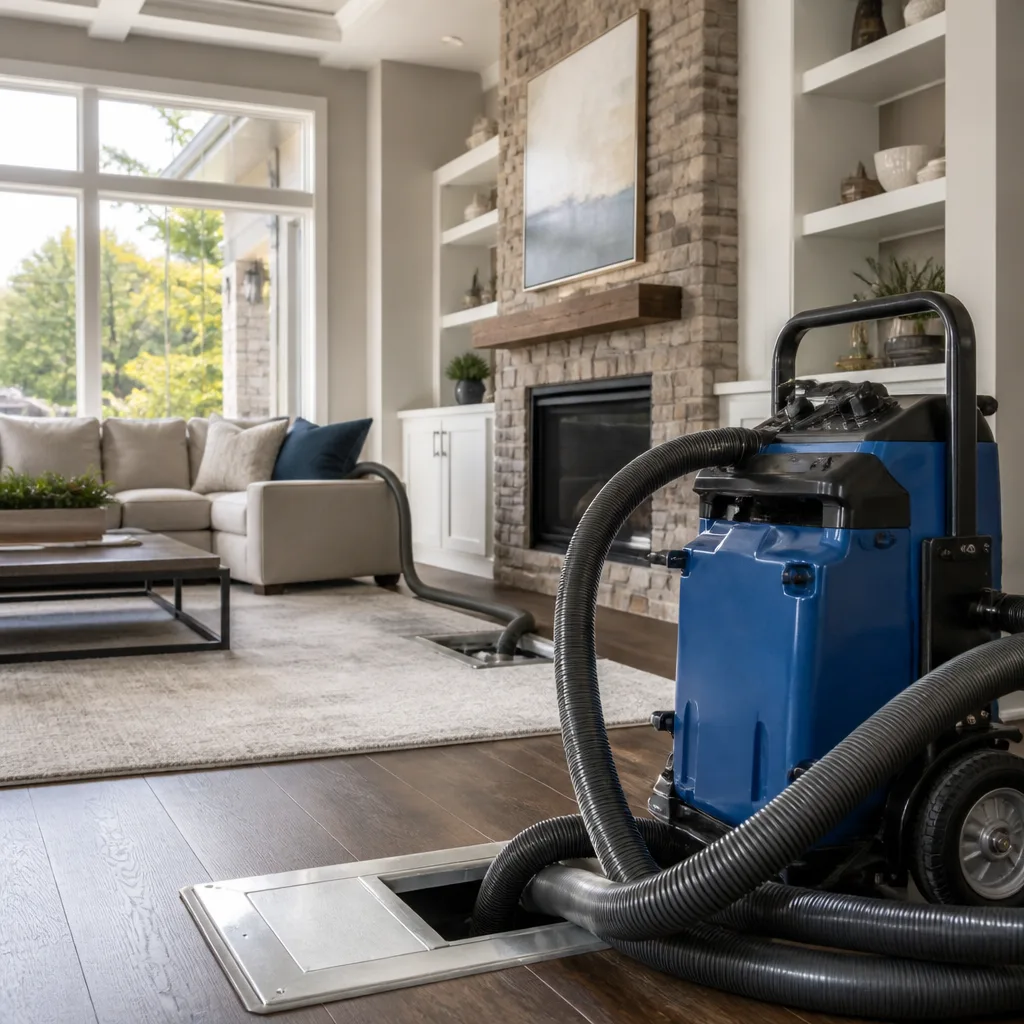 Whole-home duct cleaning
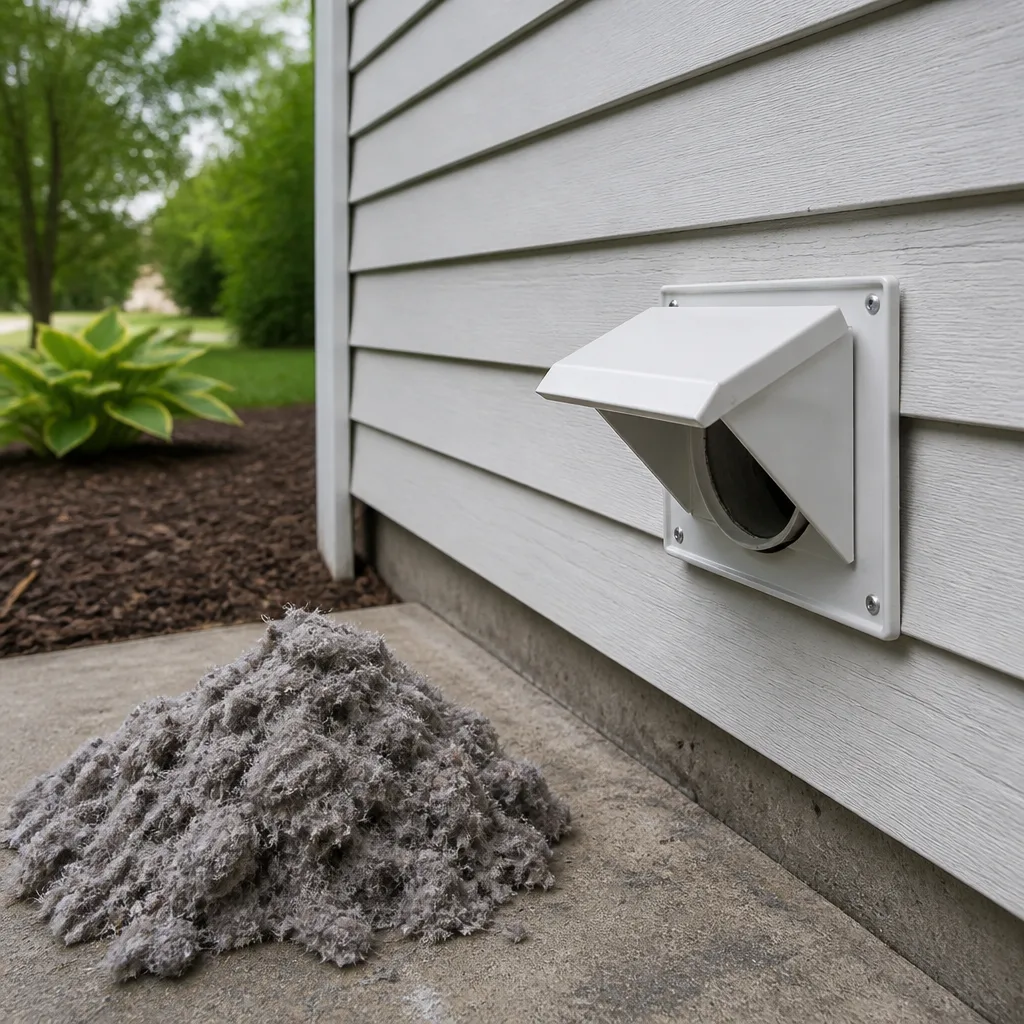 Dryer vent cleaning
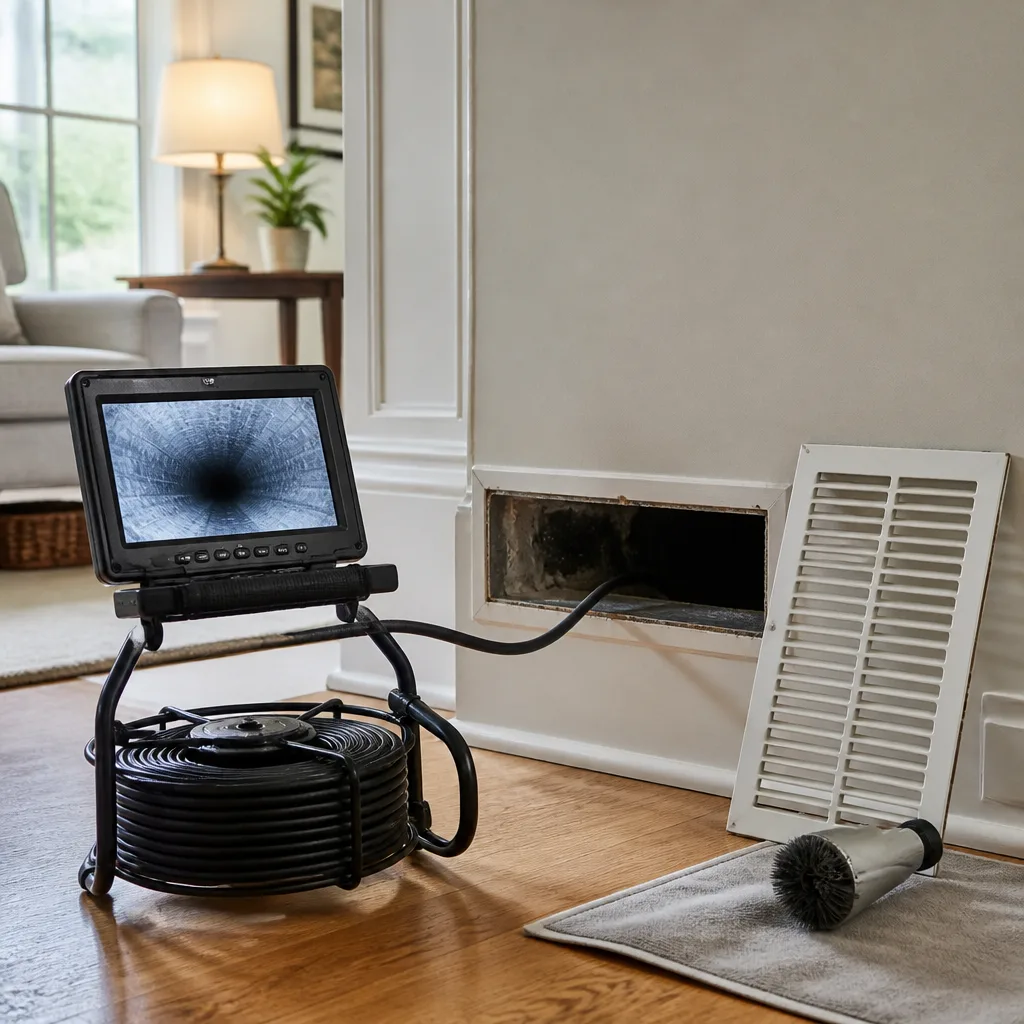 Camera inspection
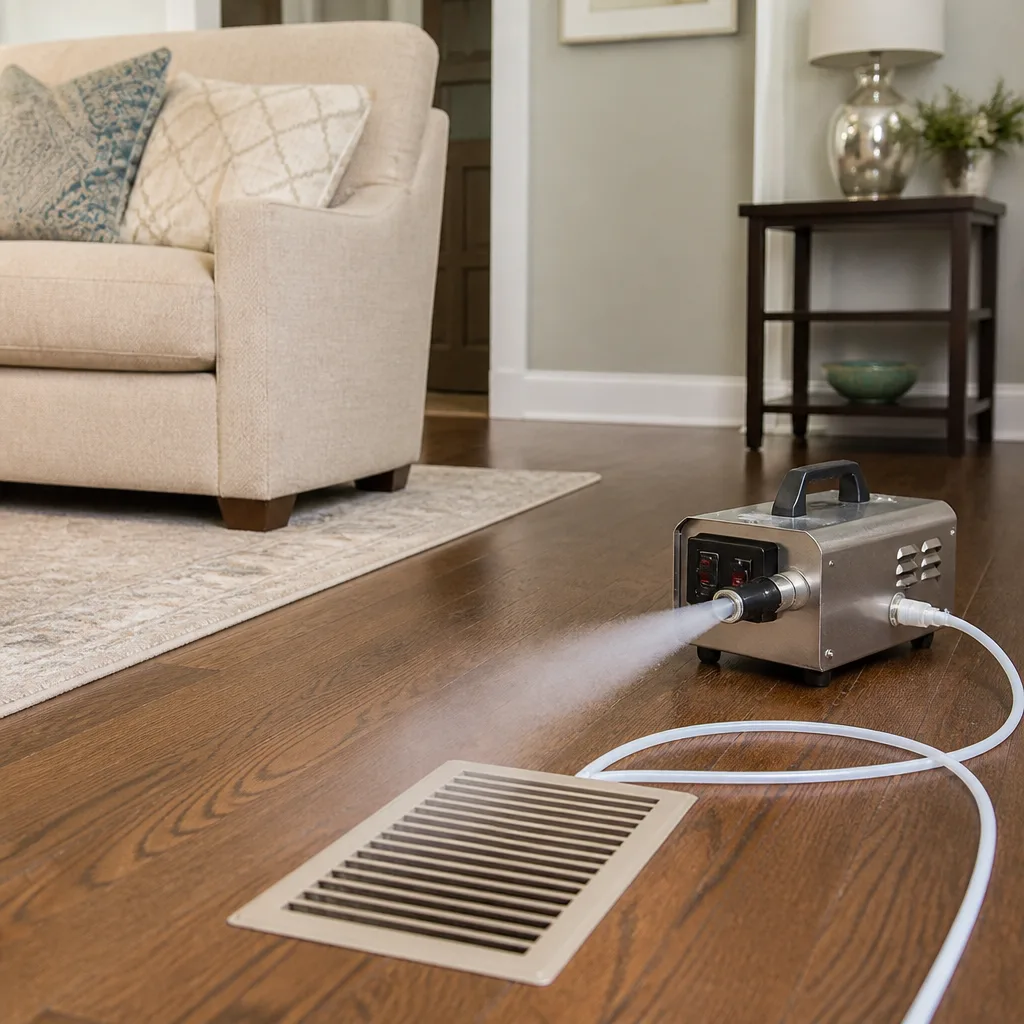 Sanitizing & deodorizing
Whole-system duct and dryer vent check with before-and-after photos - you see exactly what came out of your vents
That "$99 whole-house special" is a bait ad - the real number appears once they are in your hallway, or the "clean" is a shop-vac at the register. We photograph the inside of your ducts before and after instead.
How to Hire an Air Duct Cleaning Contractor in Huntington Beach: A Step-by-Step Guide
Most duct cleaning complaints don’t start with a bad cleaning. They start with bad equipment that was never going to clean anything, hired by a homeowner who had no way to tell the difference until the invoice arrived. A real duct cleaning job needs negative pressure strong enough to pull debris out of every branch of the system, plus agitation tools that knock contamination loose from the duct walls so the vacuum can actually reach it. If the setup that arrives at your door could be carried in one hand, the job is theater. This guide shows you how to screen contractors in Huntington Beach before anyone sets foot inside your house: what equipment to ask about, how credentials really work, what a proper inspection looks like, and how to read a quote line by line.
Quick Answer
Hire an air duct cleaning contractor in Huntington Beach by asking three questions before you book: what is the CFM rating of the vacuum unit, what agitation tools will be used, and how will the system be sealed during the job. A contractor using professional-grade equipment from brands like Rotobrush or Nikro can answer all three without hesitation. If you get vague answers, or the quote is built on a per-vent price, keep calling.
Styles & brands we work with
- Whole-home duct cleaning
- Dryer vent cleaning
- Camera inspection
- Sanitizing & deodorizing
Table of Contents
- Why the Huntington Beach Market Is Flooded With Coupon Operators
- The Equipment Questions to Ask Before Booking
- How to Verify NADCA Membership and What It Actually Means
- What a Legitimate Pre-Job Inspection Looks Like
- How to Read a Duct Cleaning Quote Line by Line
- Red Flags Specific to Southern California
- The Step-by-Step Hiring Process
- Common Mistakes to Avoid
- When to Call a Professional
Why the Huntington Beach Market Is Flooded With Coupon Operators
Huntington Beach has a lot of housing stock built between the 1950s and 1980s, when flexible duct runs and central forced-air systems became standard in tract homes from the tracts inland toward Beach Boulevard out to the newer developments near the Santa Ana River. Those systems are now old enough to collect decades of dust, and the climate keeps that dust dry and airborne through much of the year. Dry inland air and long stretches without rain mean dust and debris settle into the return side of the system and get picked back up every time the fan cycles. That makes air duct cleaning in Huntington Beach a real need, not a manufactured one, and the market has responded with a lot of providers.
Not all of them are doing the same job. The coupon segment of the market runs on volume and upsells. A low advertised price gets a technician through the door, then a battery of add-ons follows: an antimicrobial fogging treatment, a “sanitizing package,” a “deep clean” tier. The work itself is often done with a portable shop-vac style machine and a single air whip, which agitates dust inside the duct but can’t pull the volume it needs to actually remove it. The house looks cleaner because the living room was disturbed for an hour, not because the duct system was cleaned. Knowing what the job should involve is your best defense against this, and it’s what most of this guide is about.
There’s also a subcontractor layer in this market. Some companies that advertise duct cleaning are lead brokers: they sell the booking, dispatch an independent operator, and take a cut. The person who shows up may be perfectly competent, or may be a general handyman with rented equipment and no relationship to the company you called. The line between a legitimate professional and a cheap operator shows up in the equipment and the inspection, not the website. Here’s how to see the difference.
The Equipment Questions to Ask Before Booking
The single most reliable filter for contractor quality is the equipment. A professional duct cleaning setup requires a negative-air machine with real suction and separate agitation tools, and a contractor who has invested in that equipment will be happy to talk about it. Ask these questions on the phone before anyone visits:
- What is the CFM rating of your vacuum unit? CFM stands for cubic feet per minute. A truck-mounted or high-volume negative-air machine moves volume quickly; consumer-grade portables do not. Ask for the number. Hesitation is the answer.
- What agitation devices do you use? Contact-based agitation – rotary brushes, cable-driven whips designed to scrape duct walls – is doing physical work on the surface. An air whip alone is a stream of air, not contact. You want a system that can do both, matched to the duct material.
- How will you seal the system during cleaning? Negative pressure only works if the system is closed off. Every supply and return register should be sealed except the one being worked, and the vacuum connection should be a closed loop. If sealing isn’t part of the plan, dust is being redistributed, not removed.
- What brand of equipment do you run? This is where professional-grade equipment shows up. Rotobrush and Nikro are the names an experienced HVAC contractor or IAQ professional will recognize, because these are the systems specified for commercial and industrial work. A shop-vac rebranded for duct cleaning won’t have a brand name worth mentioning.
During the job, the negative-air machine should run continuously, and the technician should be able to show you the collection contents when the job is done. That’s your before-and-after evidence. The system should also get a visible inspection at the end, so the technician can confirm the walls are clean, not just that the register covers are back on.
How to Verify NADCA Membership and What It Actually Means
NADCA – the National Air Duct Cleaners Association – is the trade body that has published a written standard for how duct cleaning should be done. A NADCA member has agreed to follow that standard, and you can verify membership on NADCA’s own site by searching the company name. It’s not the only credential worth checking, but it’s the most useful one for this specific trade.
What membership obligates the contractor to do:
- Follow the ACR (Assessment, Cleaning, and Restoration) standard for the cleaning process itself: a documented inspection, source removal of contaminants, and verification of the work.
- Provide a written scope of work before starting, with cleaning methods and any access panel locations identified.
- Include before-and-after documentation, either photographic or written, at the completion of the job.
What it does not obligate the contractor to do:
- Meet any specific equipment brand or CFM specification. That’s why you still ask about the machine.
- Guarantee a particular result in your home. Duct condition varies with the system, not the certification.
- Provide state licensing (California doesn’t license duct cleaning as a standalone trade). It does not replace a contractor license for HVAC repair work.
So the credential is real and worth checking. It doesn’t replace the equipment questions, and it doesn’t tell you whether the technician at your door has the experience to do it well. Our technicians have up to 13 years of experience, and we work with professional-grade Rotobrush and Nikro equipment because that’s what the job needs. We also work with brands like Honeywell, Aprilaire, and Abatement Technologies for filtration and air quality work, which is the natural next step after a cleaning when the system itself has a filtration problem.
What a Legitimate Pre-Job Inspection Looks Like
Any legitimate duct cleaning job starts with a walkthrough, and that walkthrough predicts whether the job will be done correctly. A contractor who skips it is guessing at the system layout, duct material, and access points, and the result is a “cleaning” that’s cleaning in name only.
A proper inspection includes:
- Access panel count. The technician identifies where the system needs to be opened: the air handler, the main trunk, and each branch run. The number of access panels should be determined by the system’s layout, not by whatever holes the company habitually cuts.
- System mapping. The technician maps the runs from the air handler to the registers. A house with a long flex duct run from the far end or a second floor with its own trunk has a different cleaning plan than a single-story tract home. You should see them draw it or walk it with you.
- Duct material identification. Sheet metal gets contact brushes and air whips. Flexible insulated duct has a different ceiling on how aggressively it can be worked, because the inner liner tears. Rigid fiberglass board is another material with its own approach. The technician identifies the material before choosing tools.
- Register and grille condition. Supply registers, return grilles, and the air handler cabinet opening should be checked for debris, moisture, and any signs of pest entry before the job is scoped.
- Dryer vent assessment. If the job includes dryer vent cleaning, the technician should assess the vent route separately, because lint accumulation is a fire risk and a different process than duct cleaning.
If the technician skips the walkthrough and just quotes a price over the phone, that’s the pattern to walk away from. A real inspection takes 15-30 minutes and produces a written scope you can compare against the quote.
How to Read a Duct Cleaning Quote Line by Line
The pricing structure of a duct cleaning quote is the single clearest signal of operator quality. A per-vent price is priced for a technician who wants to count vents at the end of the job so they can upsell more of them. A whole-system price is priced for an operator who wants to clean the entire air system and be done.
Here’s what to look for line by line:
- A base price covering the whole system. One price, agreed in writing before work starts, covering the main trunk, all branches, air handler, and registers.
- A specific scope of work. The quote should describe the cleaning method (contact agitation, negative-air vacuuming, sealing) and identify any access panel locations.
- Add-on services separately itemized. Sanitizing, filtration upgrades, and dryer vent cleaning should each be priced separately, with a description of what the service does. Not a “package.”
- No per-vent line item. If the quote says “$25 per vent,” you’re being priced by the register. That pricing model is designed to grow, not to be honored.
- No coupon-driven teaser price. A “$99 whole house” figure isn’t a price. It’s the door-opener for the upsell.
- Before-and-after photos included. The quote should state that the technician will photograph your ducts before and after, and email you those photos. You should not have to ask for them.
When the written estimate sets the final price, the technician has no incentive to invent charges on site. That’s the standard we hold to, and we recommend you ask any contractor you call to confirm it before you book. It costs nothing to ask, and it filters out a lot.
Red Flags Specific to Southern California
A few patterns show up in this market more than others, partly because the housing stock in Huntington Beach varies so much block to block and partly because the coupon-driven segment of the industry is concentrated here.
- Bait-and-switch pricing through coupon offers. A whole-house price under $200 in this market isn’t a cleaning; it’s a call to action. The price on the coupon is the deposit on a much larger invoice once the technician sees your system. A whole-home cleaning for a typical Huntington Beach three- or four-bedroom home with central air and a second-floor trunk run takes real equipment and real time.
- Antimicrobial fogging offered as standard. A chemical fog is not a cleaning. If it’s recommended as a routine add-on to every job before the ducts have even been inspected, it’s an upsell line item, not an air quality service. Legitimate sanitizing is scoped after the cleaning, based on what the inspection finds.
- Subcontractor chains. If you call a company and the person who answers can’t tell you who’s coming out or what equipment they’re bringing, you’re talking to a booking service. The subcontractor may be fine, but you lose the ability to verify equipment and scope before the truck arrives.
- Pressure to decide on the spot. A price that expires when the technician leaves, or a discount offered only if you sign in the next five minutes, is not how professional contractors price work.
- Per-vent quotes after the inspection. If the price changes based on how many vents the technician counts at the end, the original quote wasn’t a quote.
We’ve seen all of these in Huntington Beach, and the pattern matters more than any single incident. If two or three of these show up on the same call, hang up and start over.
The Step-by-Step Hiring Process
Here’s the sequence we recommend. It usually takes one afternoon of phone calls and one inspection before you book.
- List three contractors. Not five, not one. Three gives you enough to compare pricing structure and equipment answers without turning the process into a week.
- Ask the equipment questions on the phone. CFM rating, agitation tools, system sealing, equipment brand. Note the answers. The quality of the answer is the quality of the operation.
- Check NADCA membership. Search the company name on NADCA’s site. Confirm what you find.
- Book inspection, not cleaning. Get an inspection on the calendar before you commit to the job. A written scope and estimate should come out of that visit. Estimates are free with us.
- Read the quote against the criteria above. Whole-system price, itemized add-ons, no per-vent line, no teaser price, before-and-after photos promised in writing.
- Confirm what the written estimate covers. The price the technician writes down is the price you pay. No surprises once the truck is in the driveway.
- Book the cleaning. On the day of, verify the equipment setup you asked about is what arrives. If the machine on the driveway isn’t what was described on the phone, that’s your moment to ask.
- Review the before-and-after photos. The technician should send these within a day of completing the work. If the ducts don’t look meaningfully different, ask questions.
For property managers who oversee multiple units in Huntington Beach, the process is the same but the stakes are higher: a per-vent quote across a whole building can balloon fast, and a subcontractor chain is harder to manage than a single licensed operator. Get the whole-system price in writing, and ask how the equipment setup handles a multi-unit building.
Common Mistakes to Avoid
- Hiring on price alone. The cheapest quote is almost always built on the lowest equipment spec. A shop-vac price reflects shop-vac results. The written bid should be judged on the equipment behind it.
- Skipping the inspection. Booking a cleaning without a walkthrough means nobody knows what duct material they’re working with until they’ve already cut into it. Book inspection first, always.
- Confusing a fog with a cleaning. Sanitizing is a separate service, appropriate when the inspection finds contamination that a general cleaning can’t address. It’s not a substitute for negative-air cleaning, and it should never be priced as the main event.
- Assuming a coupon company is the same as the company that shows up. Ask who the technician works for. If the answer isn’t clear, keep calling.
- Failing to get before-and-after photos. Ask in the booking whether photos are included. If the answer is “we don’t do that,” the work isn’t being documented, which means it isn’t being verified.
- Ignoring the dryer vent. Dryer vent cleaning is a separate safety service, and it’s often skipped when the focus is on duct cleaning. The dryer vent has its own fire risk profile, and it’s worth having inspected and cleaned on the same visit.
- Not asking about duct repair. If the inspection finds torn flexible duct or disconnected joints, a cleaning isn’t enough. Ask whether the contractor can do duct repair and sealing before the cleaning is done, so the system is sealed before it’s cleaned. Our technicians can diagnose and fix this on the same visit, which is one of the reasons HVAC cleaning and duct work belong together.
The mistake that shows up most often is not checking the equipment before booking. Everything else follows from that one question. If you ask about the CFM rating and the agitation tools and get straight answers, the rest of the hiring process tends to go well.
When to Call a Professional
Not every home needs a duct cleaning on a schedule. Some do need one right now. Call a professional when you see visible dust accumulating at the supply registers within days of cleaning the room, when you notice musty or stale odors coming from the vents, when the air handler cabinet or return grille shows signs of debris, when a renovation or pest or moisture event has contaminated the system, or when a flexible duct run has been damaged or disconnected. For dryer vent cleaning, call when the dryer takes longer than it used to or the vent hood is clogged with lint. And for the larger question of air quality, call when the dust and allergen load in the system keeps coming back. Huntington Beach Air Duct Cleaning Co offers free estimates in Huntington Beach and works with the full air system: cleaning, sealing, dryer vent safety, and sanitizing when the inspection calls for it. Call (855) 658-4076.
See the difference
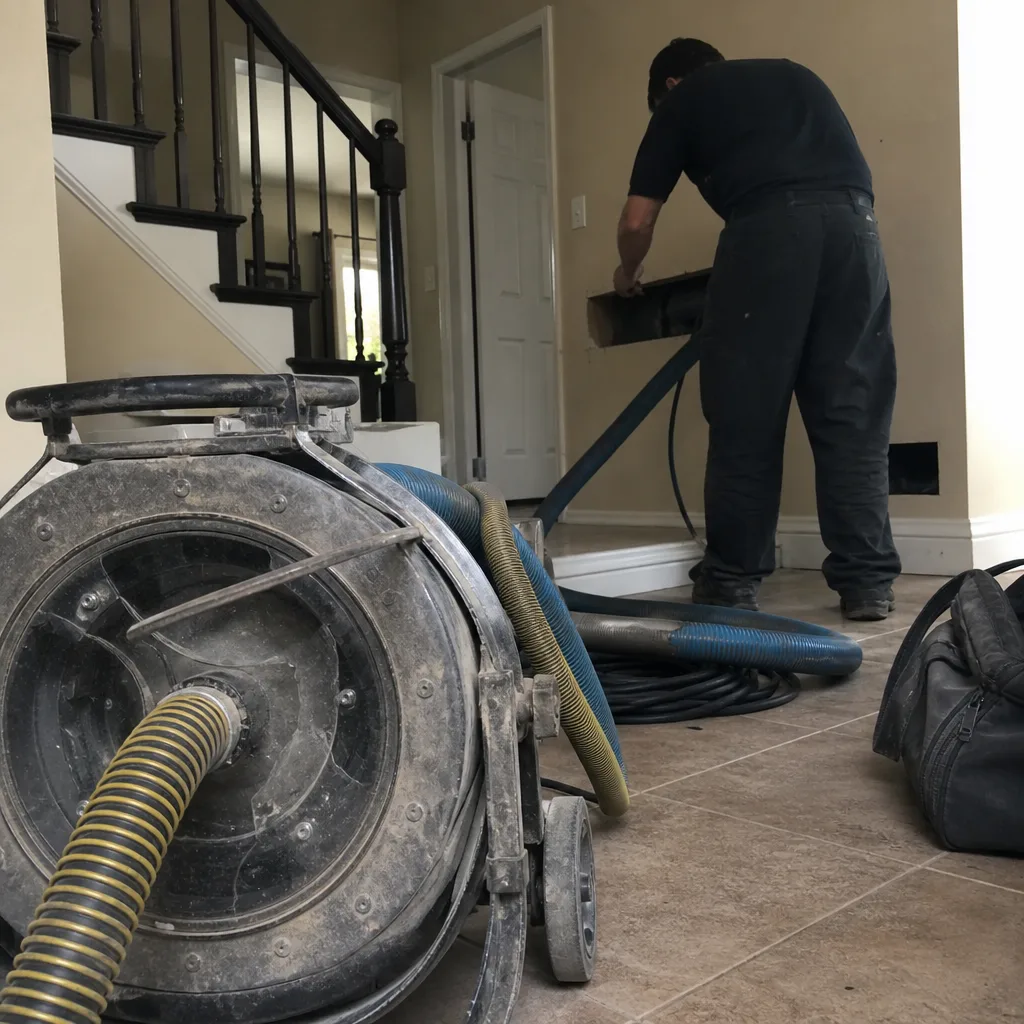 Before
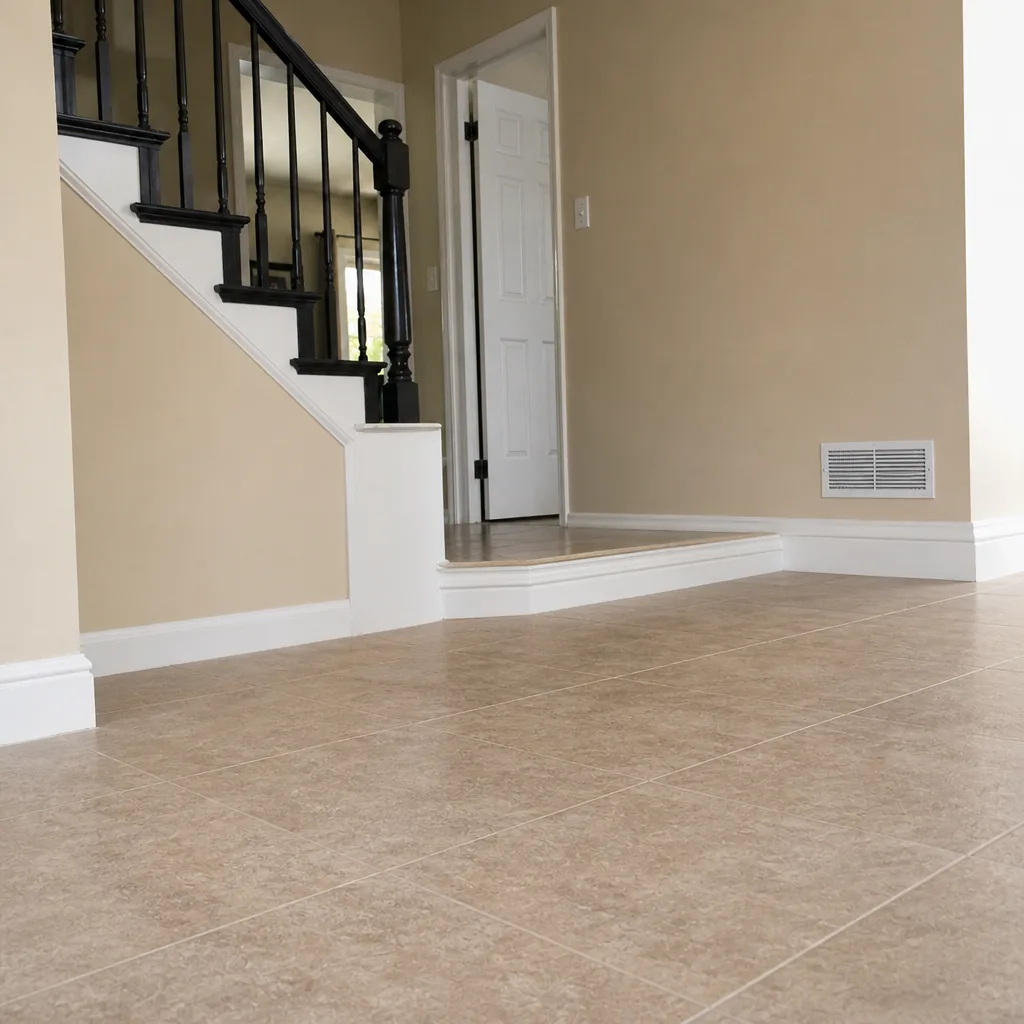 After
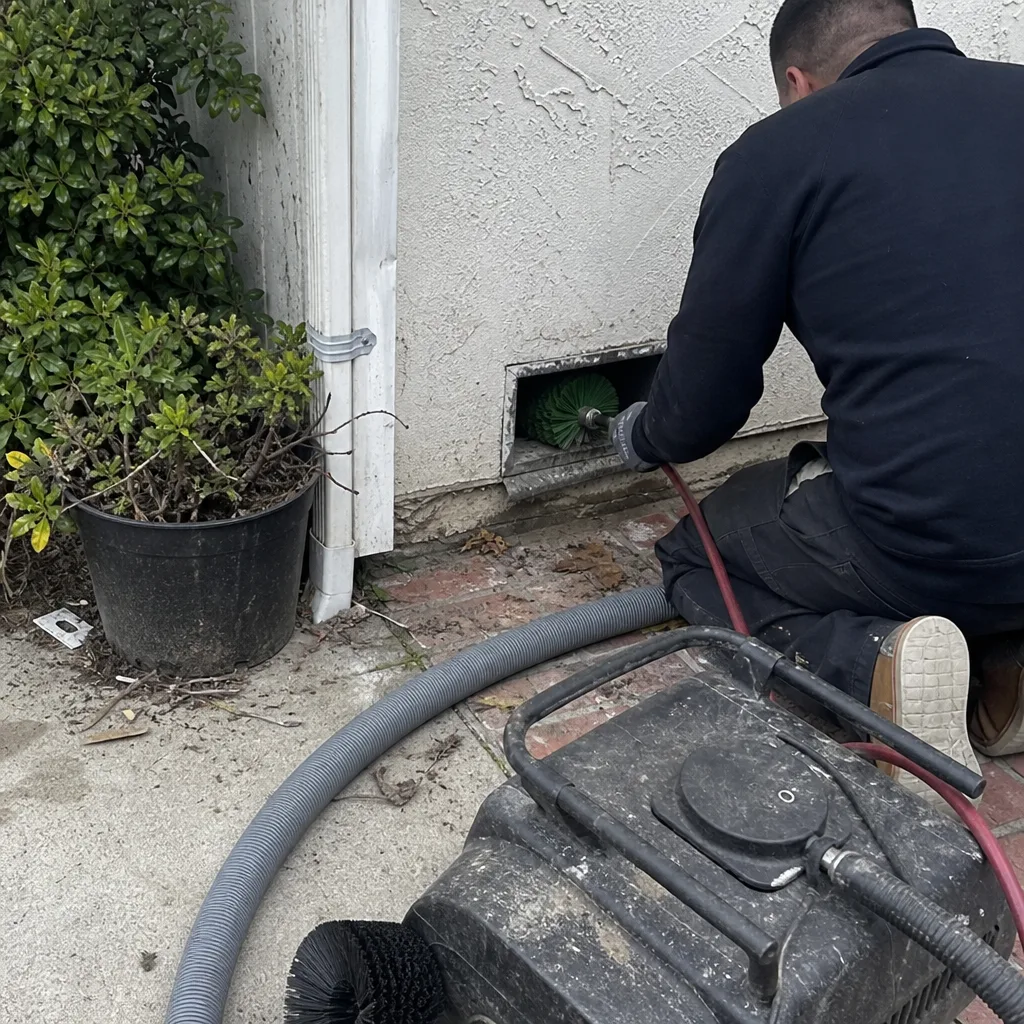 Before
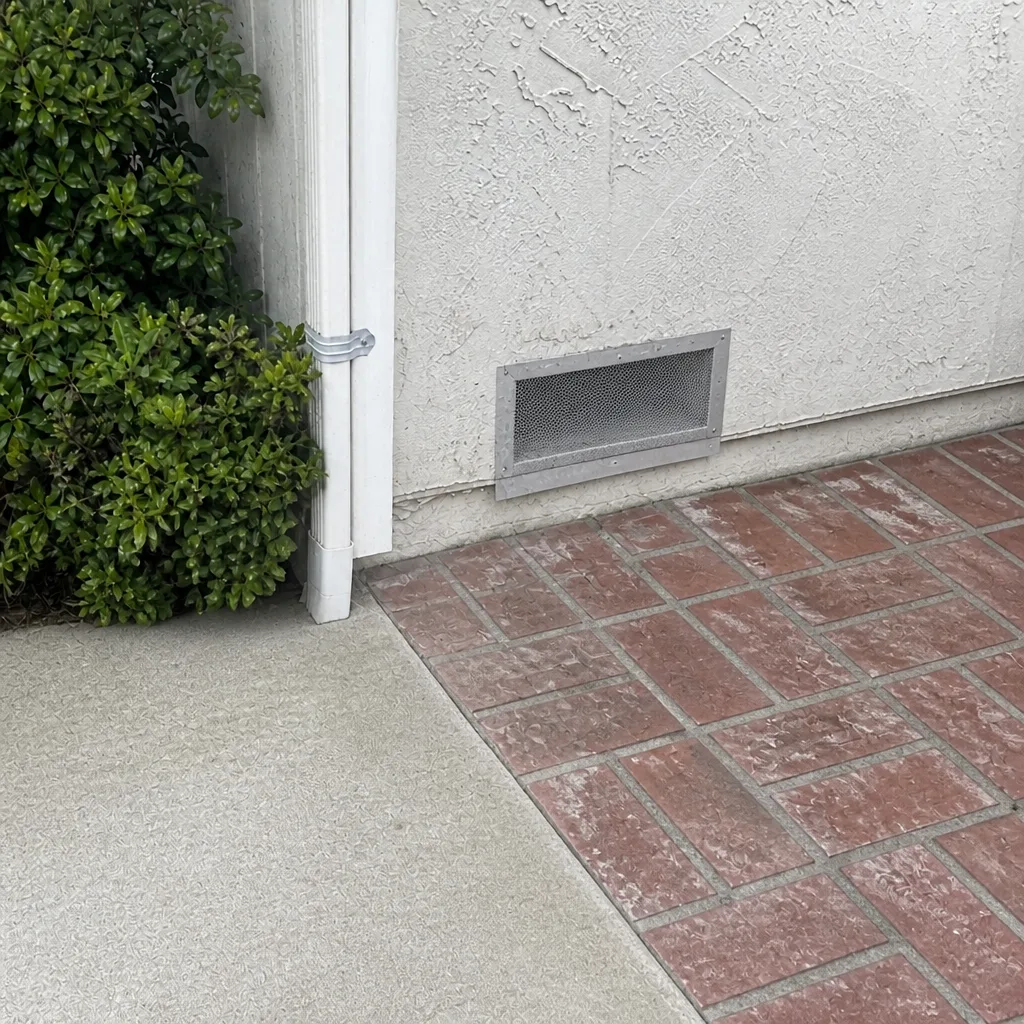 After
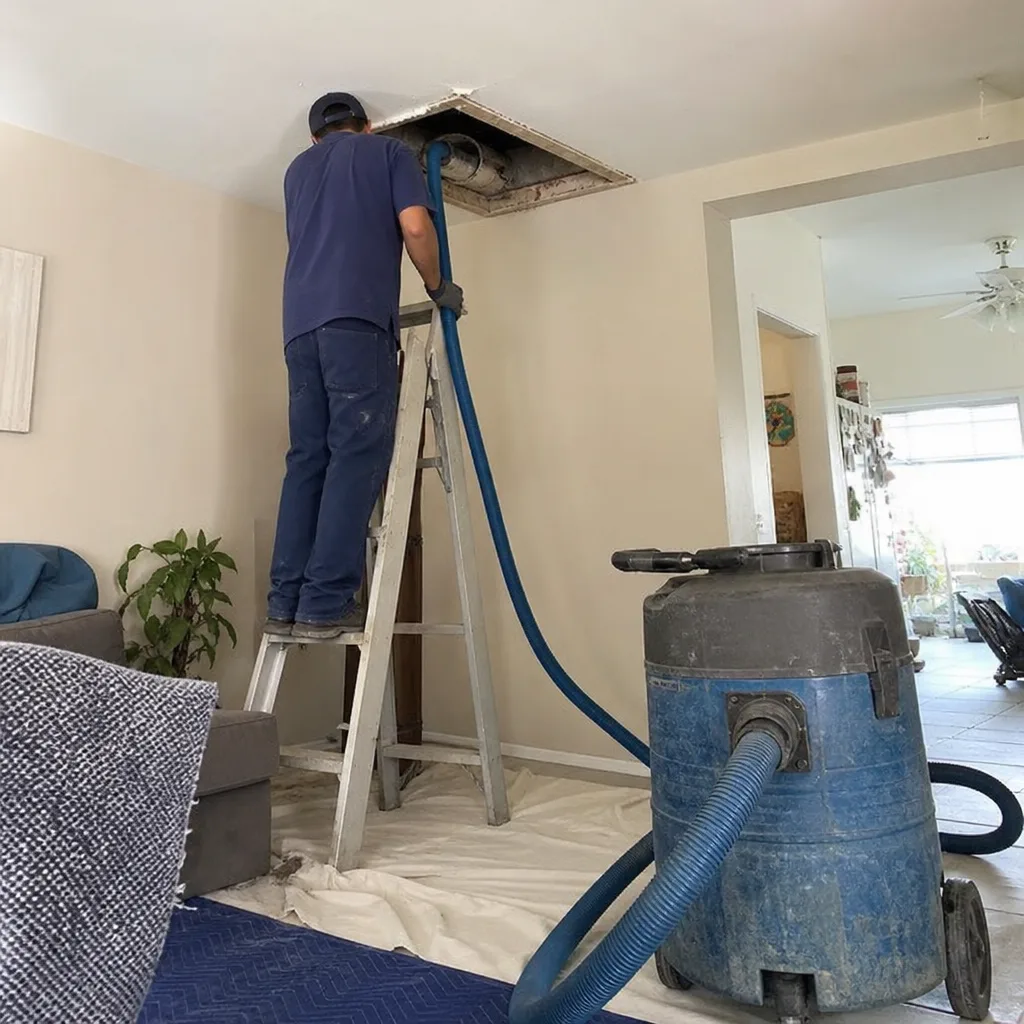 Before
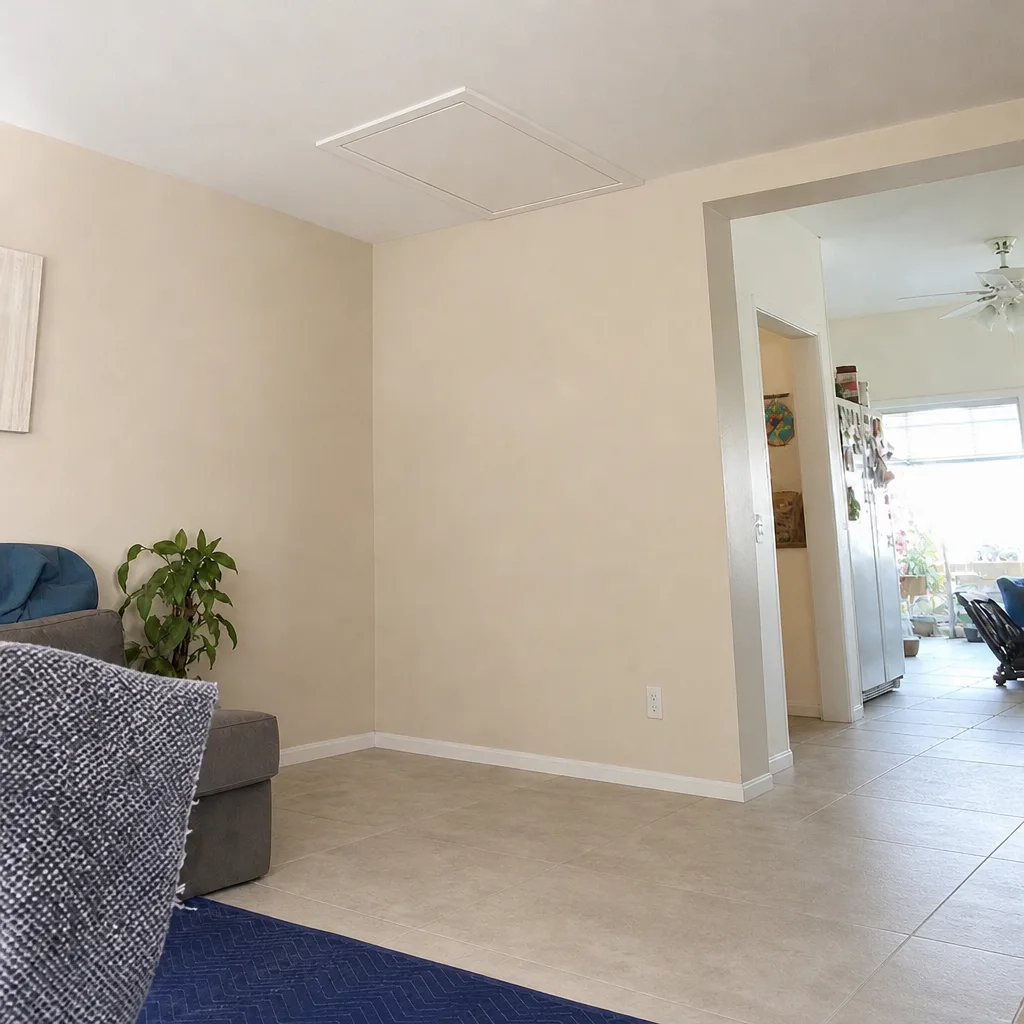 After
Frequently Asked Questions
Air duct cleaning in Huntington Beach is typically estimated per job, based on the size of your system, the number of branches, and the amount of duct repair or sealing needed. What matters more than a headline number is that the price is set in writing before the technician starts work. Call (855) 658-4076 for a free estimate – the written quote is the final price.
Cheap quotes are almost always priced on a different equipment spec – a portable machine without real negative pressure, or a per-vent model that turns into a larger invoice once the technician is in the house. A whole-system price on a job that uses professional-grade equipment will be higher than a teaser offer, because the equipment and labor are the job. Call (855) 658-4076 for an honest whole-system quote.
You know the work was done when the contractor gives you before-and-after photos of your own ducts taken during the job, along with a written scope that matches the invoice. Any contractor who can’t produce those is not documenting the work. Ask for photos before booking; ours come included with the cleaning.
Most homes in Huntington Beach don’t have a fixed interval – the answer depends on the system. Homes with pets, recent renovations, seasonal allergies, or visible dust at the registers tend to need it sooner than a quiet residence with clean filtration. A pre-job inspection tells you what’s actually in the ducts, and that’s the right basis for the schedule, not a marketing calendar.
NADCA membership means the contractor has agreed to follow the ACR standard for the cleaning process. It does not cover equipment specification, technician experience, or California HVAC licensing for repair work, which is separate. Check NADCA membership on the NADCA site and ask the equipment questions separately, so both boxes are ticked.
Sometimes. If the source is contamination inside the ducts, cleaning removes it. If the source is a torn flex duct, a disconnected joint, or a leaky return, cleaning won’t solve it, which is why duct repair and sealing matter. Ask the contractor during inspection whether the dust problem is contamination or a system leak – the answer changes the scope.
Stop and ask. The equipment answers on the phone are the whole basis of the quote, and if the machine in the driveway doesn’t match what was described, the price and the job don’t match either. You haven’t signed anything yet at that point; call back and start over with a contractor who brings the right equipment.
It can, if the odor is coming from contamination inside the ducts or the air handler. The inspection should determine whether the source is biological contamination in the system or an unrelated moisture issue elsewhere in the home. If the source is in the ducts, cleaning plus sanitizing can address it; if it’s not, cleaning alone won’t. Our Huntington Beach Air Duct Cleaning Co team can scope the inspection and the subsequent cleaning in one visit.
Yes. Dryer vent cleaning is a separate safety service with its own fire-risk profile, and it’s often skipped when the focus is on the ducts. If you’re already booking a duct cleaning, ask for the dryer vent to be scoped on the same inspection. It costs nothing to have it assessed and it keeps the whole air system in one service visit.
What is the right way to choose a duct cleaning contractor in Huntington Beach?
Choose on equipment and process, not on price. Ask the CFM rating of the vacuum and the agitation tools used, confirm NADCA membership, book an inspection with a written scope, and read the quote for whole-system pricing with no per-vent line item. That’s the whole filter, and it works. Call (855) 658-4076 for a free estimate, and we’ll show you the equipment and the inspection scope before you commit to anything.
The Bottom Line
The single most useful thing you can do when hiring a duct cleaning contractor in Huntington Beach is ask about the equipment before you book. A whole-system cleaning with a professional-grade negative-air machine and contact agitation tools is a fundamentally different job than a shop-vac visit, and the equipment answers on the phone will tell you which one you’re getting. NADCA membership, a real inspection, and a whole-system written estimate are the next filters. Get all four in writing, and the coupon segment of the market largely disappears from your call list. Our technicians have up to 13 years of experience with professional-grade equipment from brands like Rotobrush and Nikro, and we work with Honeywell and Aprilaire filtration systems where a cleaning reveals a filtration problem. Clean ducts, sealed ducts, safe ducts. If you want a straightforward inspection and a written estimate before anyone commits to a cleaning, we’re ready to talk.
Call (855) 658-4076 for a free estimate. We answer 24/7. Fast dispatch from 7am to 7pm, Sunday through Friday.
Written by the team at Huntington Beach Air Duct Cleaning Co.