
Last updated November 24, 2026
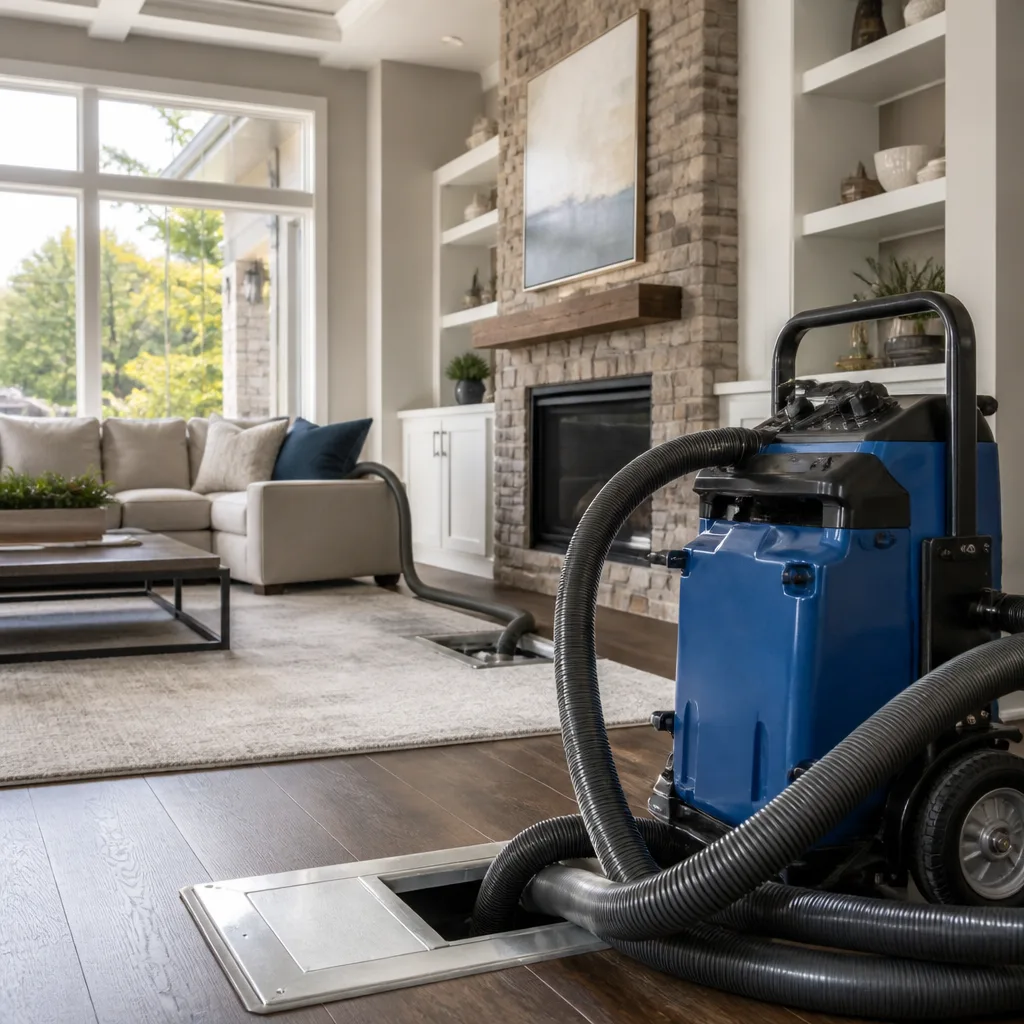 Whole-home duct cleaning
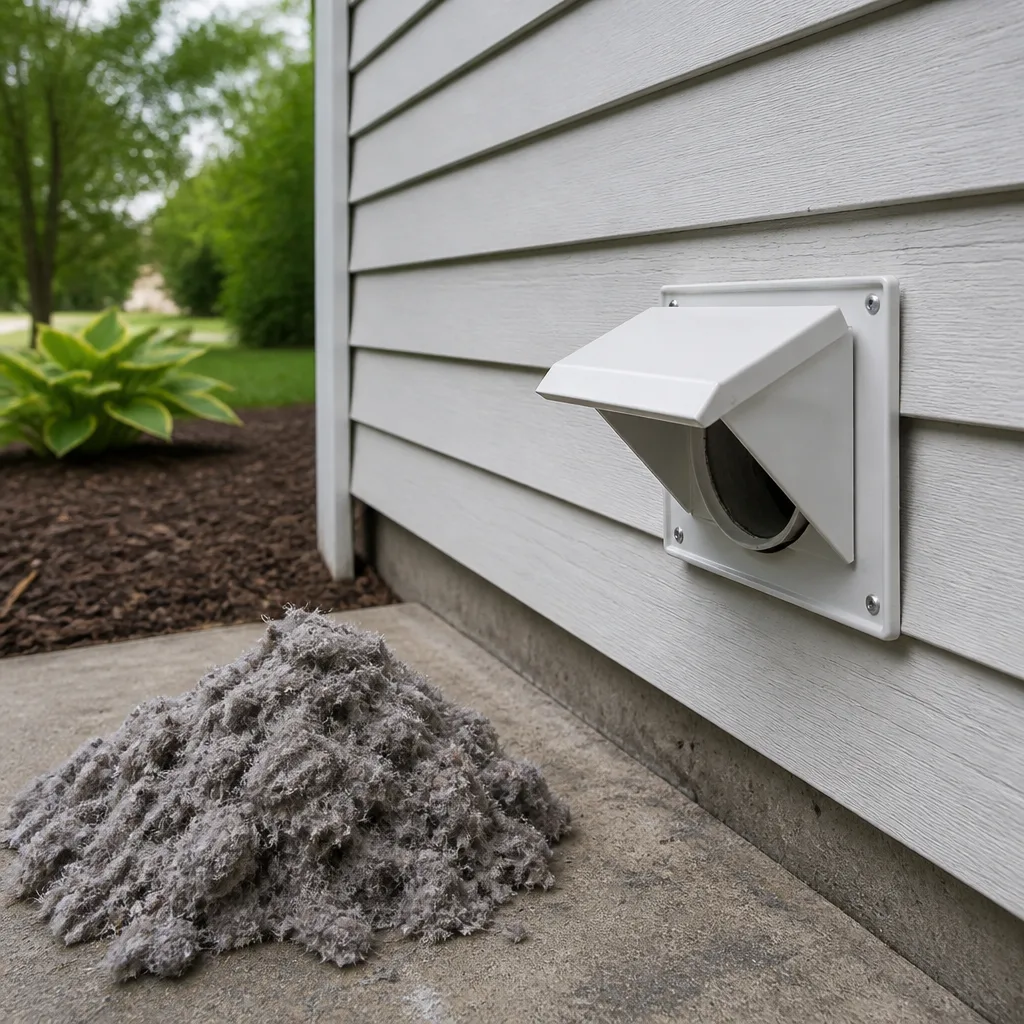 Dryer vent cleaning
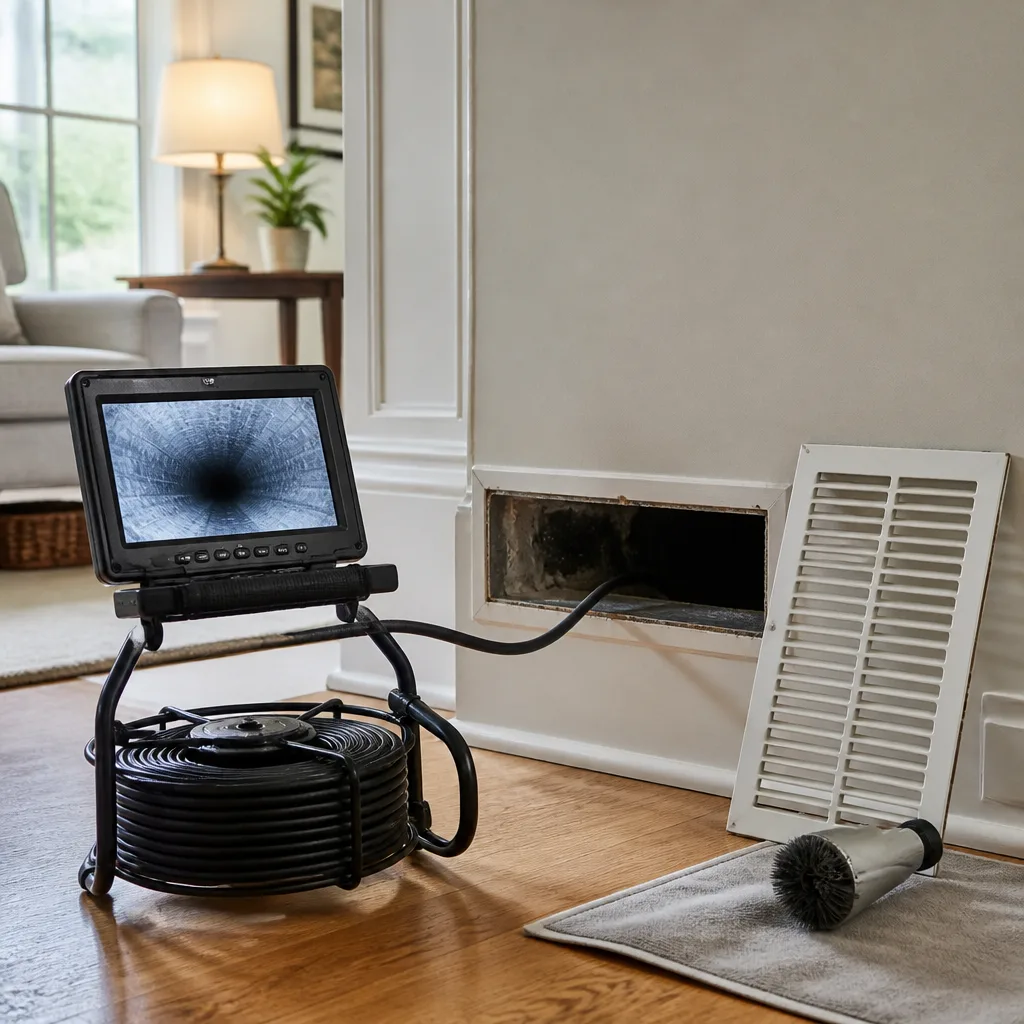 Camera inspection
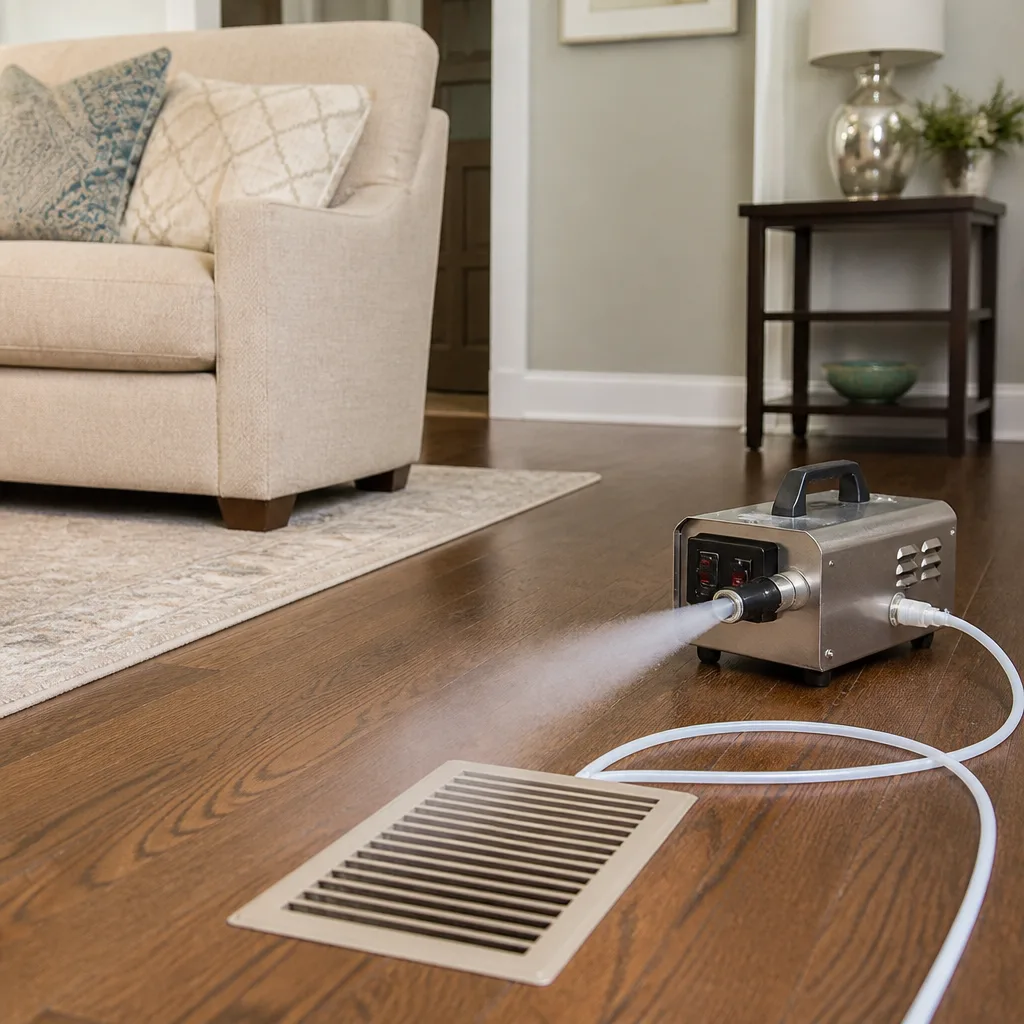 Sanitizing & deodorizing
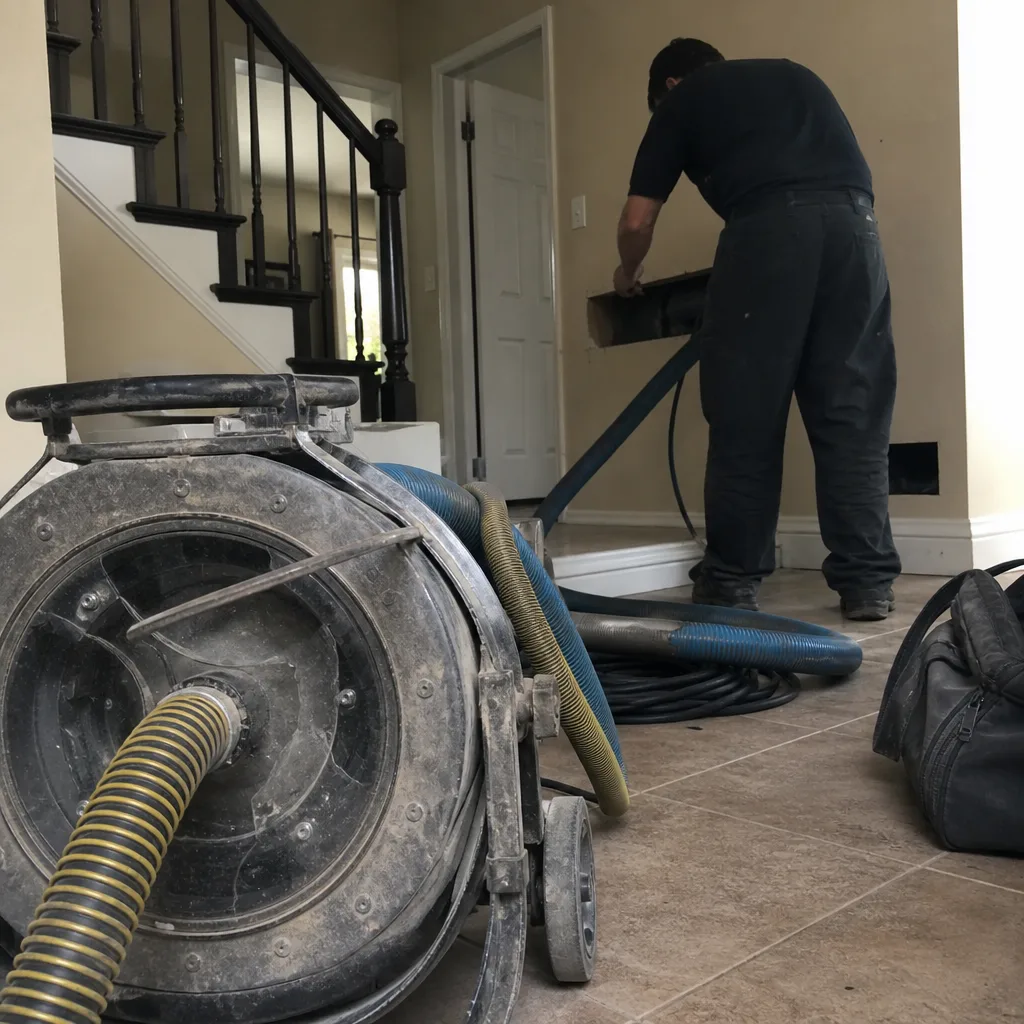
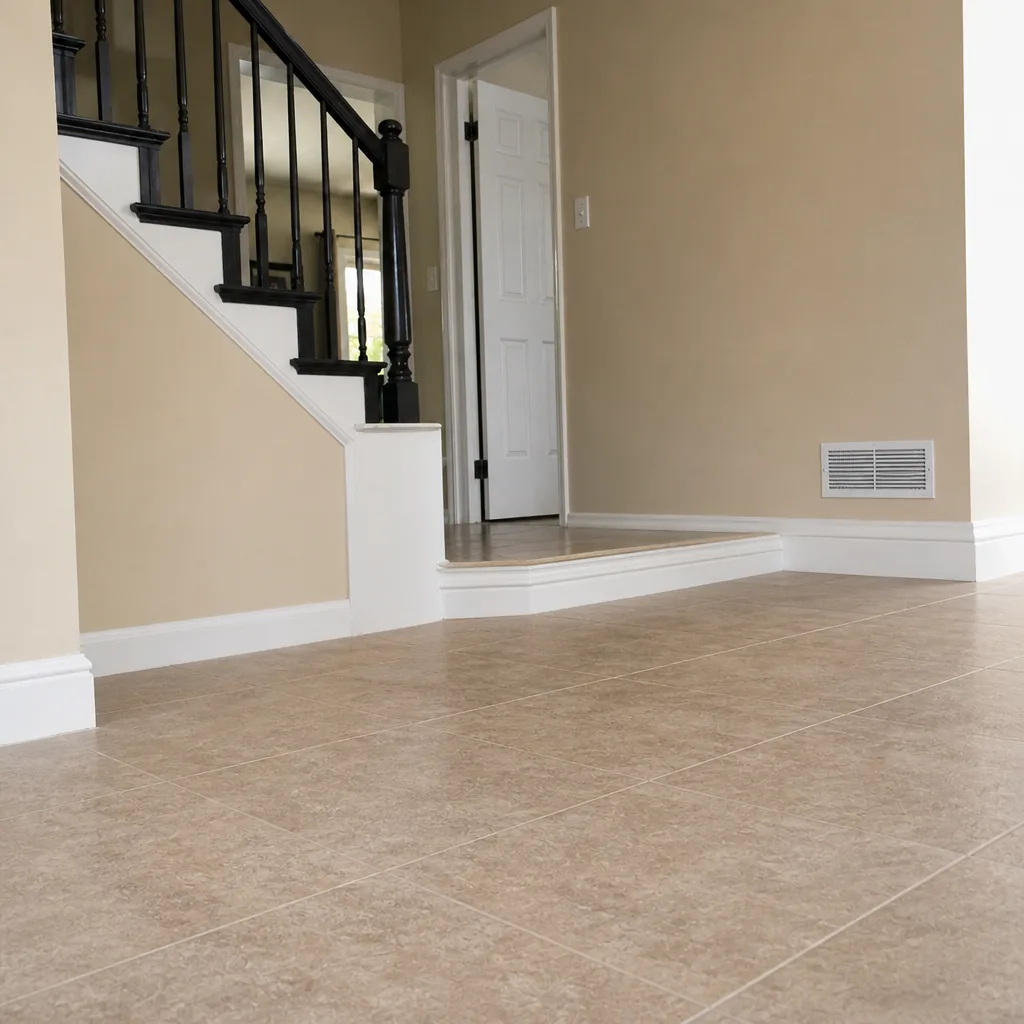
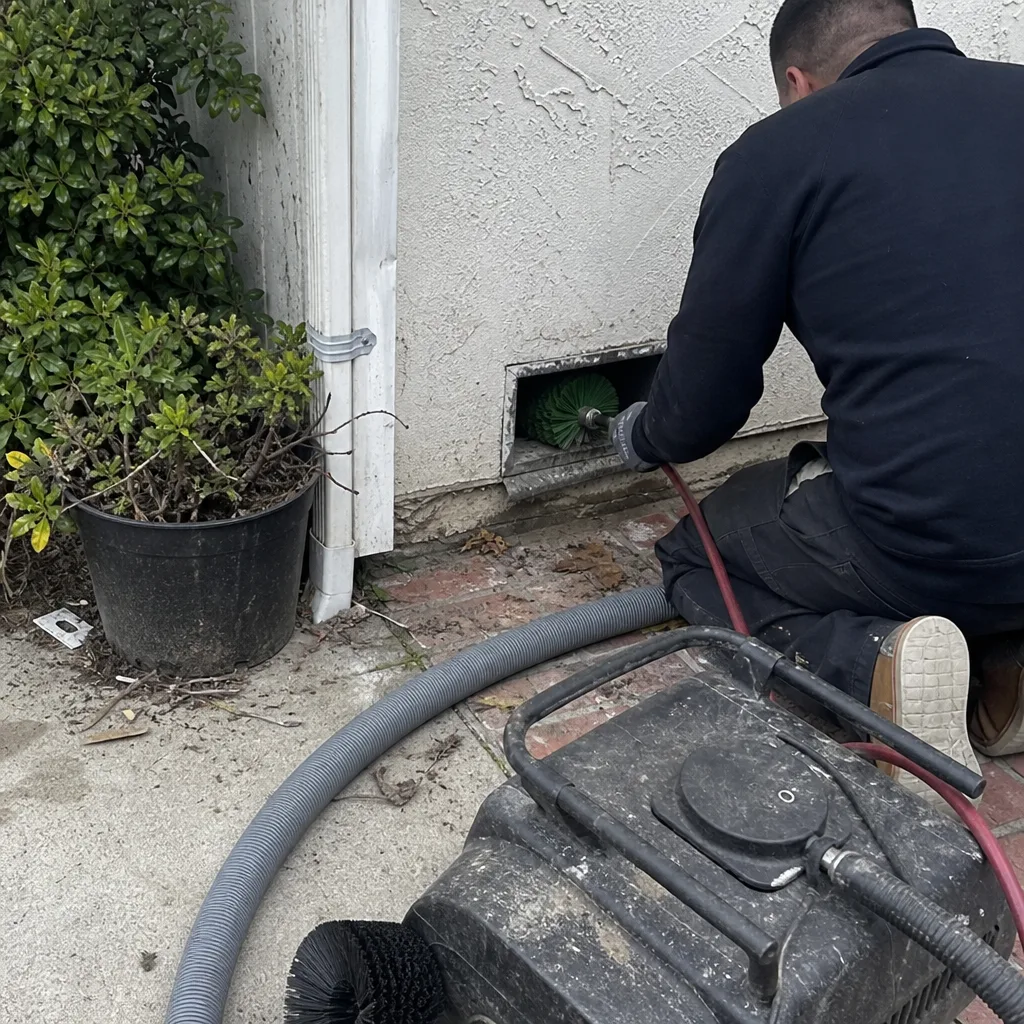
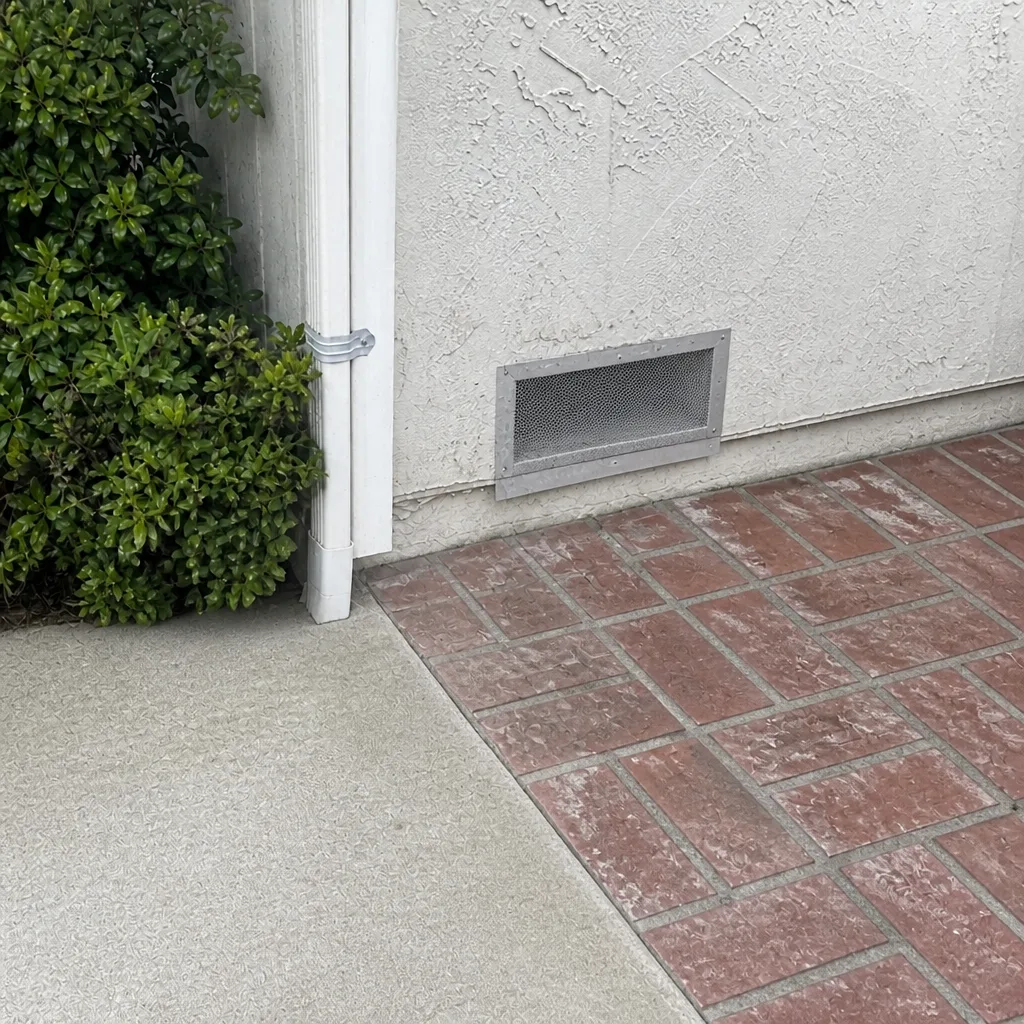
Whole-system duct and dryer vent check with before-and-after photos - you see exactly what came out of your vents
That "$99 whole-house special" is a bait ad - the real number appears once they are in your hallway, or the "clean" is a shop-vac at the register. We photograph the inside of your ducts before and after instead.
Air Duct Cleaning Maintenance Checklist for Huntington Beach Homeowners
Changing a filter on a 90-day reminder works fine in a lot of places. In Huntington Beach, it often doesn’t. A house a mile and a half from the water can load that same filter with airborne particulate and pet dander in about 45 days once the Santa Ana winds start pushing dry inland air through the gaps in your system. The 90-day habit isn’t wrong, it’s just tuned to a different climate. What follows is a working checklist built around how air systems actually behave here: the September-to-November dry season, the June Gloom humidity peak, the summer AC load, and the way an older Huntington Beach house with original ductwork behaves on its own. You’ll leave with a schedule you can act on, base measurements you can compare year over year, and a clear line between a filter swap you can handle and work that belongs to a trained technician.
Quick Answer
The core of a Huntington Beach duct maintenance routine is four seasonal checkpoints: a filter inspection every 45 to 60 days, a full system assessment before Santa Ana season in September, a humidity and moisture check as June Gloom peaks between May and June, and a post-wildfire contaminant review in November. Most homes need professional cleaning every 3 to 5 years, but the number depends on whether you have pets, how close you are to breaking surf, and how old the ductwork is. A simple logged baseline taken once a year tells you if cleaning is genuinely overdue or if you’re being sold something you don’t need yet.
Styles & brands we work with
- Whole-home duct cleaning
- Dryer vent cleaning
- Camera inspection
- Sanitizing & deodorizing
Table of Contents
- Month-by-Month Maintenance Calendar for Huntington Beach
- Six Observable Signs Your Ducts Need Attention
- How to Log a Duct Condition Baseline
- Choosing the Right Filter MERV Rating for Your Home
- What to Check After Any HVAC Service Visit
- Dryer Vent Cleaning as Part of the Schedule
- When Duct Repair and Sealing Belongs on the Checklist
- Common Mistakes to Avoid
- When to Call a Professional
- Frequently Asked Questions
Month-by-Month Maintenance Calendar for Huntington Beach
Most duct maintenance advice treats the year as undifferentiated. It isn’t. Huntington Beach has a specific seasonal rhythm, and each phase stress-tests your system in a different way. This calendar is the spine of the whole checklist.
January and February: Post-Resolution Reset
The holiday season ends, the house quiets down, and this is the easiest time to look at your system without guessing. Open a few registers and look inside with a flashlight. Note any dust film, any discoloration on the boot, any debris. Check the filter. If your system ran hard through December, filter change is likely due. Log what you see in your baseline sheet so you have something to compare to next January.
March and April: Pre-Summer AC Commissioning
Before the AC runs continuously, run it for one hour on a mild day and walk the house. Listen at each register for whistle or rattle. Smell for anything musty during that first cooling cycle. If you have pets, this is when dander loading usually becomes visible at the return grille. Change or clean the filter and note the date.
May and June: June Gloom Humidity Check
May and June bring the marine layer and higher relative humidity, and that’s when duct insulation and interior surfaces start behaving differently. Ducts that run through unconditioned space, like attics or garages, are the most vulnerable. Look for condensation on exterior duct surfaces, damp spots on attic sheathing near ducts, and any musty smell that appears only during humid stretches. This is the single most common window for surface mold to establish itself in Huntington Beach homes.
July and August: Summer AC Peak Load
These two months are the maximum stress on the system. Check your filter at mid-summer rather than waiting for the next scheduled interval. Confirm that airflow at registers in each room feels comparable. Any room that suddenly feels weak is worth a note. If you’re already planning an annual professional HVAC cleaning, late summer is a sensible window before the dry season arrives.
September: Pre-Santa Ana Preparation
September is the pivot month. Before the Santa Ana winds begin, do a full filter change and inspect the door gaskets and access panels on your air handler. Loose panels let unfiltered air bypass the filter entirely. If you’re overdue for professional cleaning, September is the month to book it, before the dusty season adds its load to whatever is already in the system.
October: Santa Ana Peak Attention
During Santa Ana season, filters load much faster. Inspect every 30 days and change or clean as needed. Keep windows closed on high-wind days. If you have a whole-home filtration system, confirm it is running and that any indicator light or pressure monitor is in range.
November: Post-Wildfire Smoke Review
If a fire has produced regional smoke in the fall, November is when you check what came indoors. The characteristic smell after a smoke event is a mild burnt-resin or acrid odor every time the system cycles on. A visual check at the return plenum and the nearest register tells you whether smoke-laden particulate has settled on duct surfaces. Filtration upgrades using a brand like Aprilaire or Honeywell are worth considering here, and a professional sanitizing service is worth pricing.
December: Dryer Vent and Safety Audit
Close the year with a full safety pass. Confirm your dryer vent is clear, inspect the exterior termination for lint accumulation, and make sure the lint trap and the flexible duct behind the dryer are intact. This is the one item on the entire calendar that isn’t about air comfort at all.
Six Observable Signs Your Ducts Need Attention
The checklist only works if you know what you’re looking for. These six indicators are homeowner-observable without any tools beyond a flashlight and your own nose. Each one tells you something specific about the condition of the system.
1. Duct Sweat
You’re looking for condensation forming on the exterior of the duct, typically near the air handler or on a length of duct running through an attic. It looks like a light sheen of moisture, sometimes with a dull gray film building up where the moisture repeatedly forms and dries. Duct sweat means the insulation on that section is compromised or the humidity is beyond the system’s ability to manage. It also means the interior of that duct is a candidate for biological growth.
2. Visible Debris at Registers
Shine a flashlight into a floor register and look toward the boot (the elbow just inside the floor or wall). A light, even dust film is normal. What isn’t normal is a visible layer of fluffy gray material, dark discoloration, or debris that looks like it has accumulated over time rather than freshly fallen. Photograph what you see through the grille.
3. Musty Odor on First AC Cycle
That first cool blast after a warm spell carries a smell. Fresh, neutral air is fine. A distinctly musty, damp-earth, or sour smell means there is organic material on duct surfaces or at the evaporator coil. The odor usually fades after a few cycles, which is exactly the wrong reason to ignore it. It fades because the surface dries out, not because the contamination is gone.
4. Uneven Airflow Between Rooms
Stand in each room and let the system run for five minutes. Compare airflow at the registers. A room that is noticeably weaker is either a blocked branch, a disconnected duct joint, or a damper that’s closed. Disconnected ducts inside walls or attics are common in older Huntington Beach homes and can vent conditioned air into the attic rather than into the room.
5. Recurring Dust on Horizontal Surfaces
If you dust a shelf on Monday and find the same film by Friday, that’s not ambient dust. That’s either a filtration failure or a supply of dust that isn’t being captured. Check the filter first, then check that the return is properly sealed. If both are in order, the ducts are the next suspect.
6. Rising Energy Bills
A steady increase in energy cost with no change in use often comes from the system working harder because of leakage or restriction. If the filter is clean and the system still struggles, the loss is inside the ducts or at the equipment. This is the sign that most justifies professional evaluation, because it’s the one you can’t diagnose with a flashlight.
How to Log a Duct Condition Baseline
The single most useful habit in this entire checklist is one that no coupon mailer will ever mention: log a baseline. The reason cleaning decisions feel so uncertain is that nobody remembers what the ducts looked like last year. A simple baseline takes about 30 minutes once a year and makes every subsequent decision data-driven instead of guesswork.
What to Record
- Date and time. Note when the baseline was taken and whether the system was on.
- Photographs of every register. One photo straight back into each register with the flashlight on, from arm’s length. Keep them in one folder on your phone, labeled by year.
- Photographs of the air handler and return. One wide shot and one close-up of the filter slot with the old filter removed.
- Filter reading. Brand, MERV rating, install date, and how loaded the outgoing filter looked on a simple three-point scale: light, moderate, heavy.
- Smell test. Record whether the first AC cycle of the day produced a neutral smell, a mild odor, or a strong odor. Note which.
- Airflow notes. Which rooms felt strong, which felt weak, and by how much on a relative scale.
- Moisture notes. Any duct sweat seen, any damp spots, and the weather that week.
How to Use It
Compare this year’s photographs and notes to last year’s. If the register interiors look essentially the same and the filter loading hasn’t increased, you’re within normal wear and cleaning isn’t due yet. If the debris layer is visibly thicker, if the smell has moved from mild to strong, or if the filter now loads in half the time, the baseline is telling you something changed. Take that evidence to any professional you call. A technician who can compare your baseline to the actual condition of the ducts will give you a more accurate assessment than one who walks in blind. It also protects you from being told cleaning is “urgently needed” when your own records show otherwise.
Choosing the Right Filter MERV Rating for Your Home
“Buy a MERV 11” is not advice; it’s a starting point. The right filter for your Huntington Beach home depends on three variables that differ from house to house: how close you are to the water and prevailing onshore air, whether pets live indoors, and whether anyone in the home has respiratory sensitivities. Get these right and the filter does real work. Get them wrong and you either under-filter or over-restrict your system.
What MERV Ratings Actually Mean in Practice
| MERV Range | What It Captures | Best For | Watch For |
|---|---|---|---|
| MERV 8 | Pollen, dust mites, larger particulate | Homes with no pets and no allergy concerns; good baseline | Under-filters fine smoke and dander |
| MERV 11 | Fine dust, pet dander, mold spores | Most Huntington Beach homes with pets or one allergy sufferer | Slight airflow restriction in undersized systems |
| MERV 13 | Fine smoke particulate, virus carriers, fine dander | Post-wildfire recovery periods; multiple allergy sufferers | Real airflow restriction; check system static pressure |
| MERV 16+ (HEPA-class) | Nearly all airborne particulate at rated flow | Whole-home filtration cabinets designed for it | Not appropriate for a standard 1-inch filter slot |
Matching the Rating to Your Home
- Within a mile of the beach: fine airborne particulate is more consistent, so MERV 11 is a sensible floor even without pets.
- One or more indoor pets: MERV 11 minimum, and change at 45 days during Santa Ana season rather than 90.
- Household allergy sufferer: MERV 11 to 13 depending on system capacity, and consider a dedicated filtration cabinet rather than a 1-inch slot filter.
- Two or more allergy sufferers, or recent wildfire smoke: MERV 13 is reasonable if the system has been checked for static pressure capacity.
- Rural or inland homes with more airborne soil: MERV 11 with a shorter change interval.
A note on higher ratings: pushing a MERV 13 filter through a filter slot designed for MERV 8 will cost you more in lost airflow than it gains in filtration. If you want MERV 13 performance, the right move is a properly sized filter cabinet from a manufacturer like Aprilaire or Honeywell that’s specified for that media. That’s a question for your HVAC contractor, not a swap you make on a hunch.
What to Check After Any HVAC Service Visit
Every time a technician opens an access panel on your air handler or coil, there is a small but real risk that debris or contamination gets introduced, or that the panel doesn’t get reseated properly. A two-minute check after the technician leaves prevents a small oversight from becoming a long-term problem.
The Five-Point Post-Service Check
- Confirm the filter is seated correctly. Open the filter slot and look. The filter should sit flush with no gaps at the edges. A filter that is slightly cocked lets air bypass it entirely.
- Check the access panel. Every panel the technician touched should be fully seated with all fasteners in place. Run the system and hold your hand near the panel edges to feel for air leaking out.
- Look inside the return plenum. Shine a flashlight into the return with the system on. You’re looking for a clean duct surface with no fresh debris, no visible dust plume blowing past, and no dislodged insulation.
- Run the system for 10 minutes and listen. Any new rattle, click, or whistle that wasn’t there before the visit is worth a call back to the contractor. Most are minor, but they’re much easier to resolve the same week than a month later.
- Log it in your baseline sheet. Note the date, what was serviced, and any photos of the panels and filter. If something does go wrong later, you have a record of the condition immediately after the visit.
This step matters most after coil cleaning, which involves direct access to the evaporator surface where biological growth is most likely to have developed. A qualified technician will confirm the coil is dry and the drain pan is clear before closing up. If the musty smell appears within a week of a service visit, that’s a signal to call the contractor back, not to wait it out.
Dryer Vent Cleaning as Part of the Schedule
Dryer vent cleaning sits in an odd corner of the maintenance checklist: it isn’t about air quality, but it belongs on the same schedule because the same system of ducts is involved and the same access habits apply. It’s also the one item on this list tied directly to a documented fire risk when neglected, and most duct cleaners either don’t offer it or treat it as an afterthought.
How Often, and the Observable Signs
For most Huntington Beach homes, professional dryer vent cleaning every 1 to 2 years is a reasonable cadence. The exact interval depends on how often you run the dryer and whether the vent run is short and direct or long with multiple elbows. Watch for these signs that the interval should be shorter:
- Clothes take noticeably longer to dry, especially on the same setting
- The dryer body and the wall behind it feel hot to the touch mid-cycle
- A burning or scorched smell in the laundry area
- Visible lint accumulation at the exterior termination
- The exterior flapper doesn’t open fully when the dryer runs
You can check the exterior termination yourself once a month with the dryer running. The flapper should swing open freely and you should feel steady warm airflow. If the flapper barely moves, or the flow feels weak, that’s a blocked vent and worth a professional look. Cleaning the vent run itself needs the right equipment: the flexible duct behind the dryer is easy to damage with a shop vacuum, and the rigid run inside the wall needs a proper brush and vacuum system to clear without dislodging material that then becomes a downstream blockage. That’s where a dedicated dryer vent cleaning visit earns its place on your calendar.
When Duct Repair and Sealing Belongs on the Checklist
Cleaning a leaky duct network is treating a symptom. If conditioned air is escaping through a disconnected joint or an unsealed access panel, the duct will re-contaminate from the surrounding space faster than any cleaning can keep up with. Sealing is the structural half of the checklist, and in older Huntington Beach homes it is often the more valuable half.
Signs Sealing Is Due
- You can feel air leaking from a duct joint, elbow, or boot when the system runs
- A room is consistently cooler or warmer than the rest of the house with no clear explanation
- Dust appears on attic surfaces near duct runs, indicating air handling in unconditioned space
- Visible gaps at the plenum or where flexible duct meets rigid duct
- New musty odor in a room after a hot day, suggesting humid attic air being drawn in
Sealing is also a good moment to assess whether the ducts need cleaning at the same time, because sealant applied over a dirty joint doesn’t hold well. A single visit that cleans, seals, and confirms the system is tight is more useful than two separate appointments doing each task in isolation. That’s part of the reasoning behind bundling air duct cleaning with duct repair and sealing: the technician has access to the whole system, and the assessment is more accurate with the panel open. Clean ducts, sealed ducts, safe ducts, done together, gives a more reliable result than doing any one of them alone.
Common Mistakes to Avoid
- Changing the filter on a fixed 90-day timer. In Huntington Beach that interval is often too long during Santa Ana season and about right in a mild spring. Check at 45 days and adjust based on what you find, not on the calendar reminder.
- Assuming the filter is the whole filtration system. A 1-inch filter slot was not designed to hold a high-MERV filter, and forcing one in restricts airflow. If you want real filtration performance, upgrade the cabinet to a proper media filter from a manufacturer like Aprilaire or Honeywell.
- Running the AC on the first hot day without a smell check. That first cycle is when you’ll detect musty odor at the strongest concentration. Skipping the smell test is skipping the most reliable early indicator of biological growth.
- Using a shop vacuum on the duct interior. Consumer vacuums and improvised duct brushes can dislodge material without capturing it, leaving the system worse than before. Duct interiors need professional-grade equipment with proper containment, which is why the Huntington Beach Air Duct Cleaning Co uses equipment from Rotobrush and Nikro rather than shop vacs.
- Ignoring the dryer vent because “the dryer still dries.” A partially clogged vent can still dry clothes in a longer cycle. The dryer working isn’t a sign the vent is clear, and the risk if it isn’t is on the safety side, not the laundry side.
- Treating a service visit as finished when the technician leaves. A two-minute check of the filter, panels, and return plenum after any HVAC service visit catches the small oversights before they become long-term issues.
- Believing a “5-minute photo view” is a full assessment. A technician who looks at one register from the doorway hasn’t seen what’s at the plenum, in the branches, or on the coil. If the quote is based on a glance, the number isn’t a real number.
When to Call a Professional
If you’ve done the earlier checks and found thick debris at multiple registers, a musty smell that returns within a week of an AC cycle, duct sweat that persists across the summer, or a baseline comparison showing the system degrading faster than the calendar suggests, it’s a professional assessment call. The same is true if the dryer vent has visible lint at the termination, if energy bills have climbed with no change in use, or if you’ve never had the system inspected and don’t know the condition of the ducts behind the walls. Huntington Beach Air Duct Cleaning Co offers free estimates in Huntington Beach for the full range of work: air duct cleaning, HVAC system cleaning, duct repair and sealing, and air quality and sanitizing. Call (855) 658-4076 to book an estimate. We answer 24/7. Fast dispatch from 7am to 7pm, Sunday through Friday.
Frequently Asked Questions
Most Huntington Beach homes need professional cleaning every 3 to 5 years, not every year. The right number depends on pets, proximity to the water, how much time the system runs, and whether the ducts have been sealed. Anyone claiming you need it every 12 months without having inspected your system is guessing. A baseline log taken once a year is the most reliable way to know when your own home is actually due. Call (855) 658-4076 if you want a proper assessment.
MERV 11 is the right starting point for most Huntington Beach homes, especially with pets or any allergy sufferer in the household. Go to MERV 13 only if your system is verified to handle the airflow restriction, usually by upgrading to a proper filter cabinet designed for it. A MERV 8 filter is fine for a home with no pets, no allergy concerns, and modest outdoor particulate. The wrong move is dropping a high-MERV filter into a 1-inch slot and calling it better filtration. Call (855) 658-4076 for a free estimate on a proper filtration upgrade.
Yes. Duct sweat means condensation is forming on a duct surface, which points to compromised insulation, high interior humidity, or both. It’s also the window when biological growth most easily establishes itself, particularly during the June Gloom peak in May and June. If you see condensation on the exterior of a duct and it comes back after drying, that duct needs professional evaluation. Call (855) 658-4076 and we’ll take a look.
You should see before-and-after photos of your own ducts, taken at the registers and at the plenum, not stock photos of somebody else’s system. You should get a written estimate that matches the final invoice, with the scope of work spelled out before anyone starts. And you should be able to walk through the house afterward and see the register interiors for yourself. If any of those three is missing, that’s the wrong contractor. Call (855) 658-4076 for a free estimate with documented scope.
Cheap quotes usually buy one of three things: a quick shop-vac pass, a per-vent price that balloons once the technician is on site, or a “cleaning” that never reaches the plenum or the coil. None of those deliver what a proper cleaning does. Professional-grade equipment from a brand like Abatement Technologies with proper containment is what separates a real cleaning from a surface pass. Ask any contractor exactly what equipment they use and exactly what the estimate covers. Then compare. Call (855) 658-4076 for a written estimate that itemizes the whole job.
Run the system on the first day of cleaner air and smell the register air. A mild burnt-resin smell that fades within a few cycles is normal; a strong smell that persists or returns is a sign smoke particulate has settled on duct surfaces. Visually check the return plenum for a visible film, change the filter immediately, and consider a professional sanitizing service if the smell lingers. November is the best month to do this review in our experience. Call (855) 658-4076 for a free estimate on air quality and sanitizing.
The Bottom Line
A Huntington Beach duct maintenance checklist is not a generic set of filter reminders. It’s a schedule built around the specific seasonal stress on your system: the September build-up before Santa Ana winds, the June Gloom humidity window, the summer AC peak load, and the November post-wildfire review. Getting it right comes down to four habits: a filter check every 45 to 60 days (not every 90), a yearly baseline log you can compare against, a filter MERV rating matched to your actual home rather than a default, and a two-minute post-service check after every HVAC visit. Dryer vent safety and duct sealing belong on the same calendar because they’re part of the same system. If the baseline shows something has actually changed, that’s the moment to have the whole system professionally evaluated rather than waiting for a coupon to tell you it’s time. If you’re ready to have the whole system looked at rather than just a filter swap, call (855) 658-4076 for a free estimate from Huntington Beach Air Duct Cleaning Co. We answer 24/7. Fast dispatch from 7am to 7pm, Sunday through Friday. For a full walkthrough of the underlying air duct cleaning service this checklist supports, start there.
Written by the team at Huntington Beach Air Duct Cleaning Co.
See the difference
 Before
 After
 Before
 After
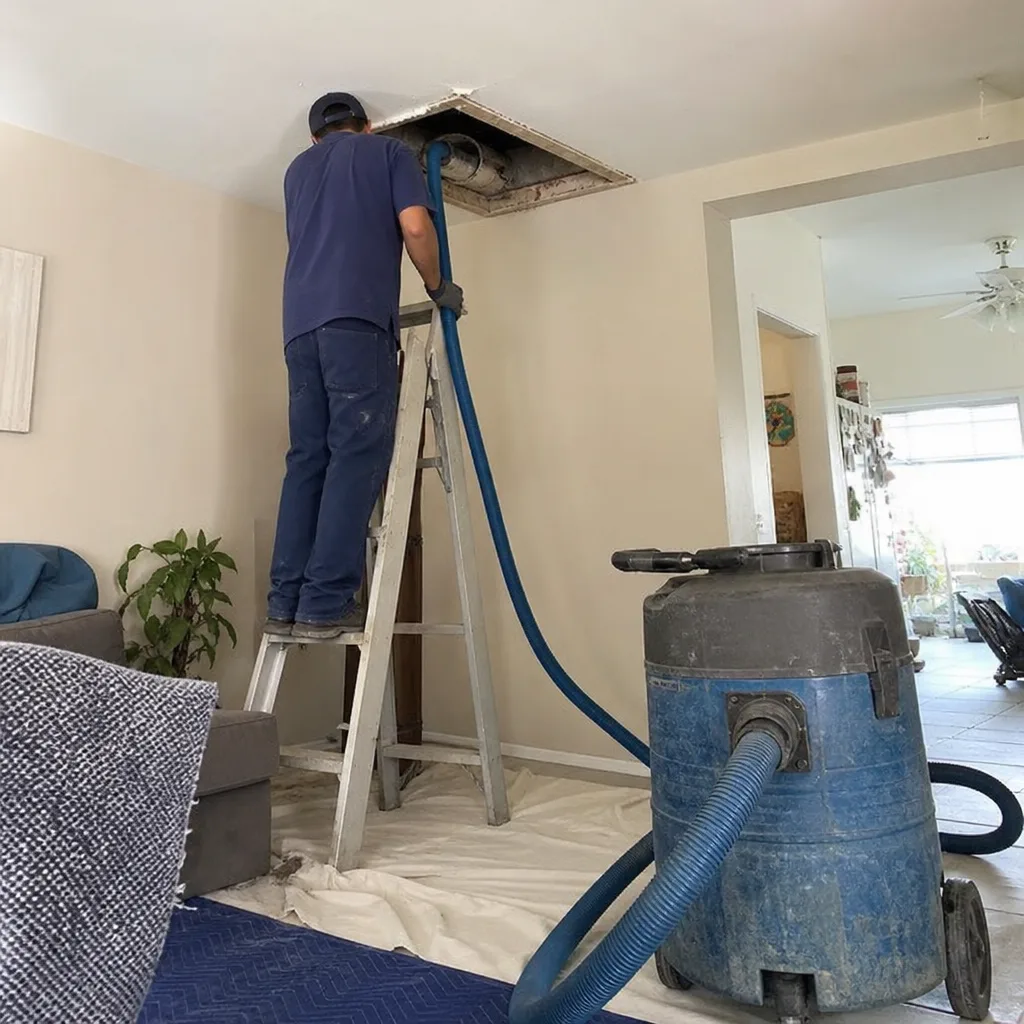 Before
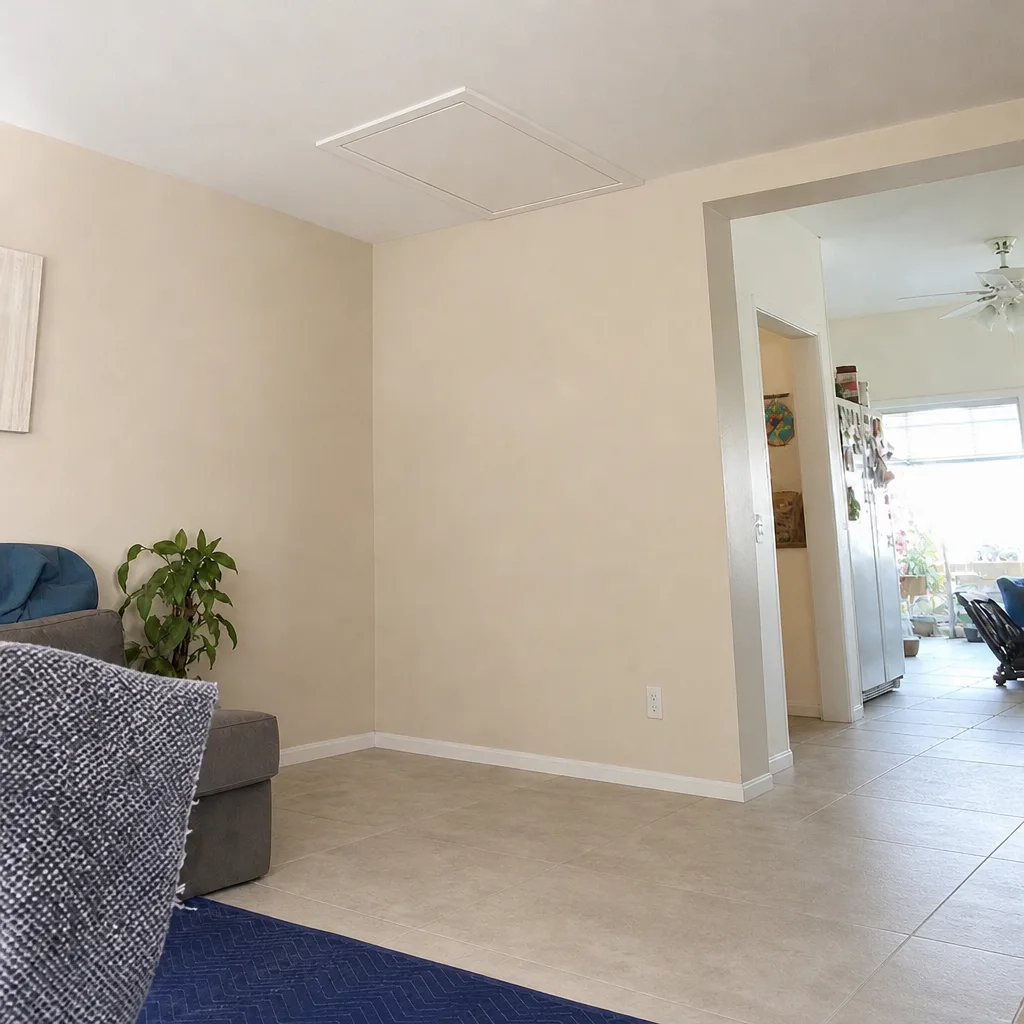 After