
Last updated November 24, 2026
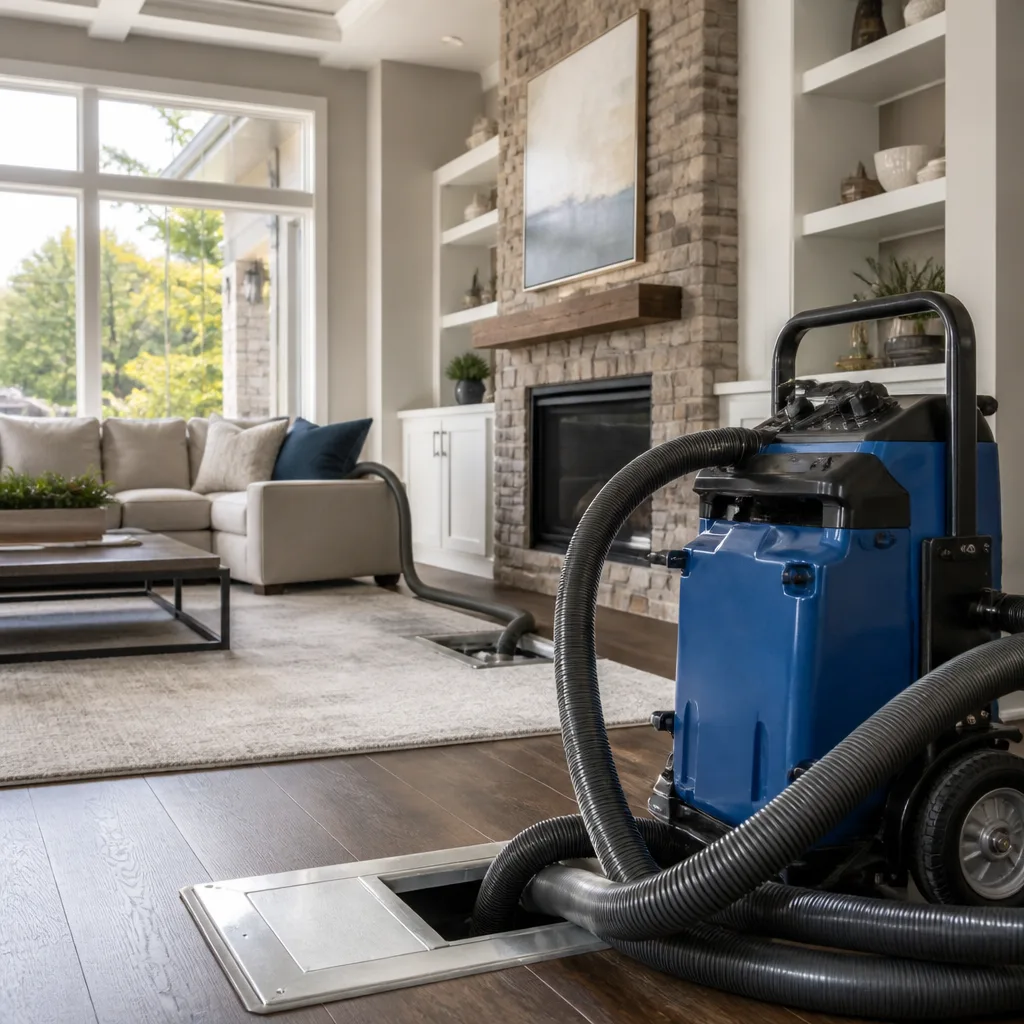 Whole-home duct cleaning
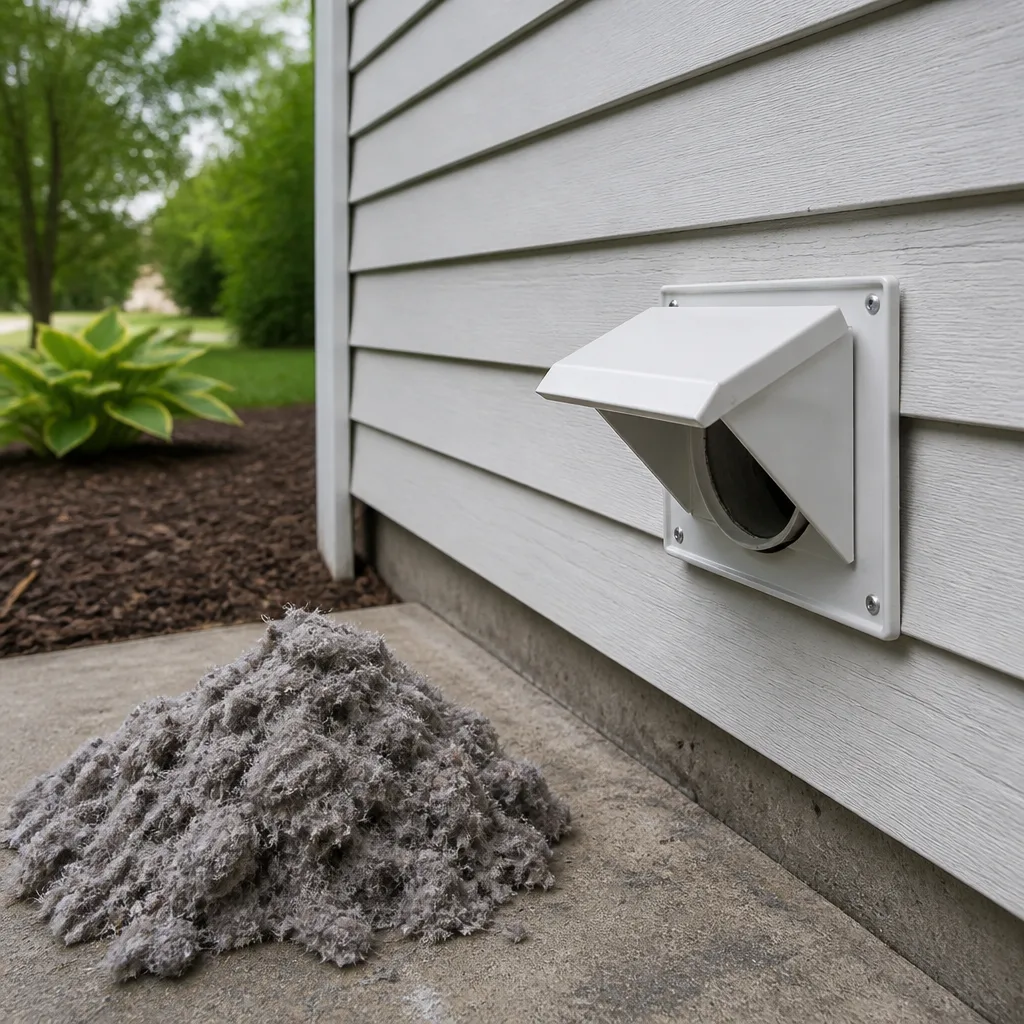 Dryer vent cleaning
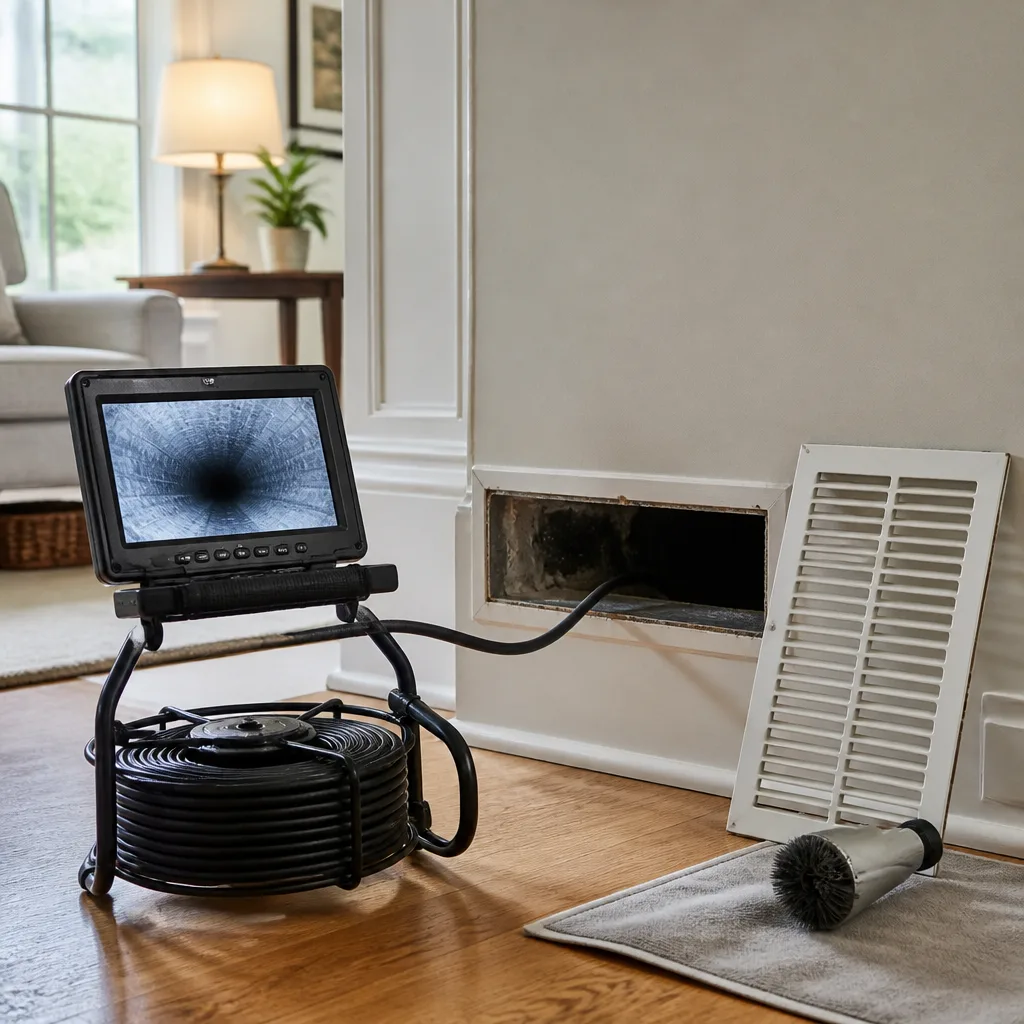 Camera inspection
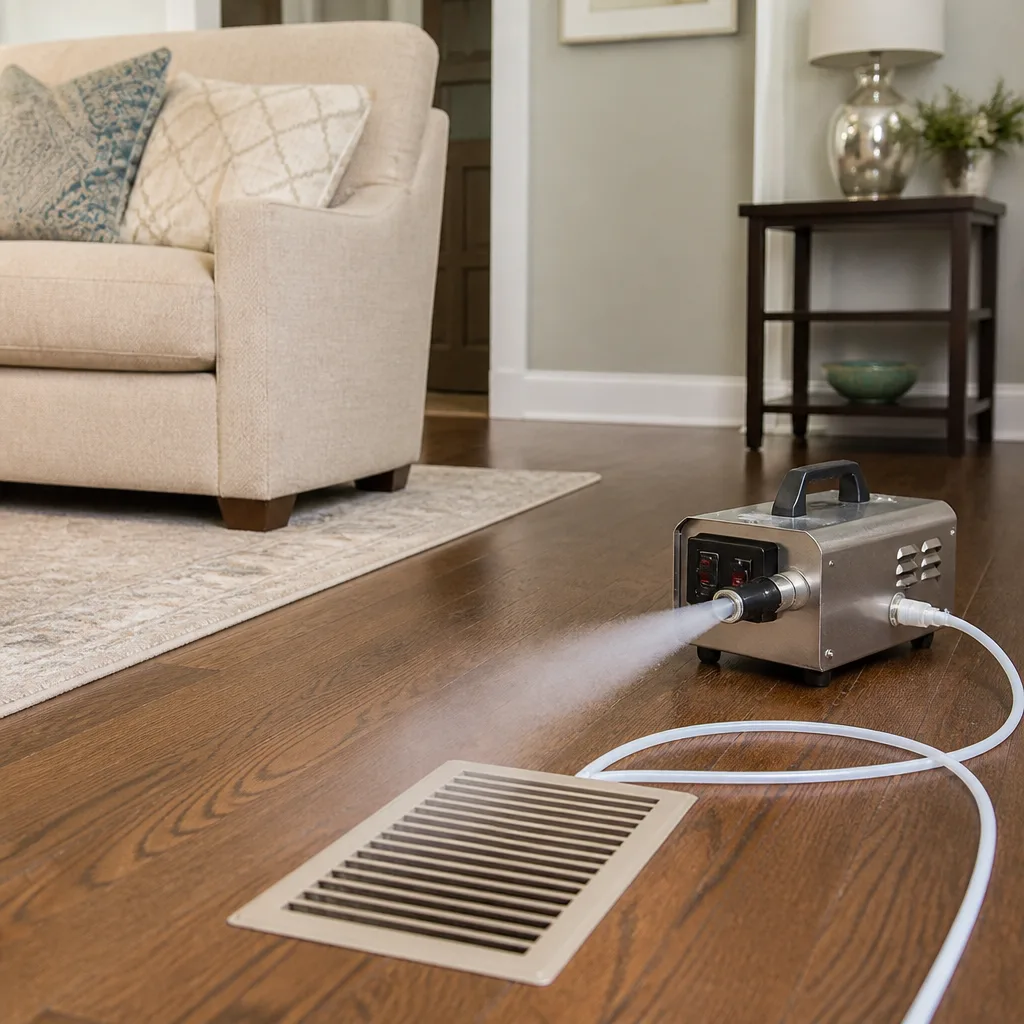 Sanitizing & deodorizing
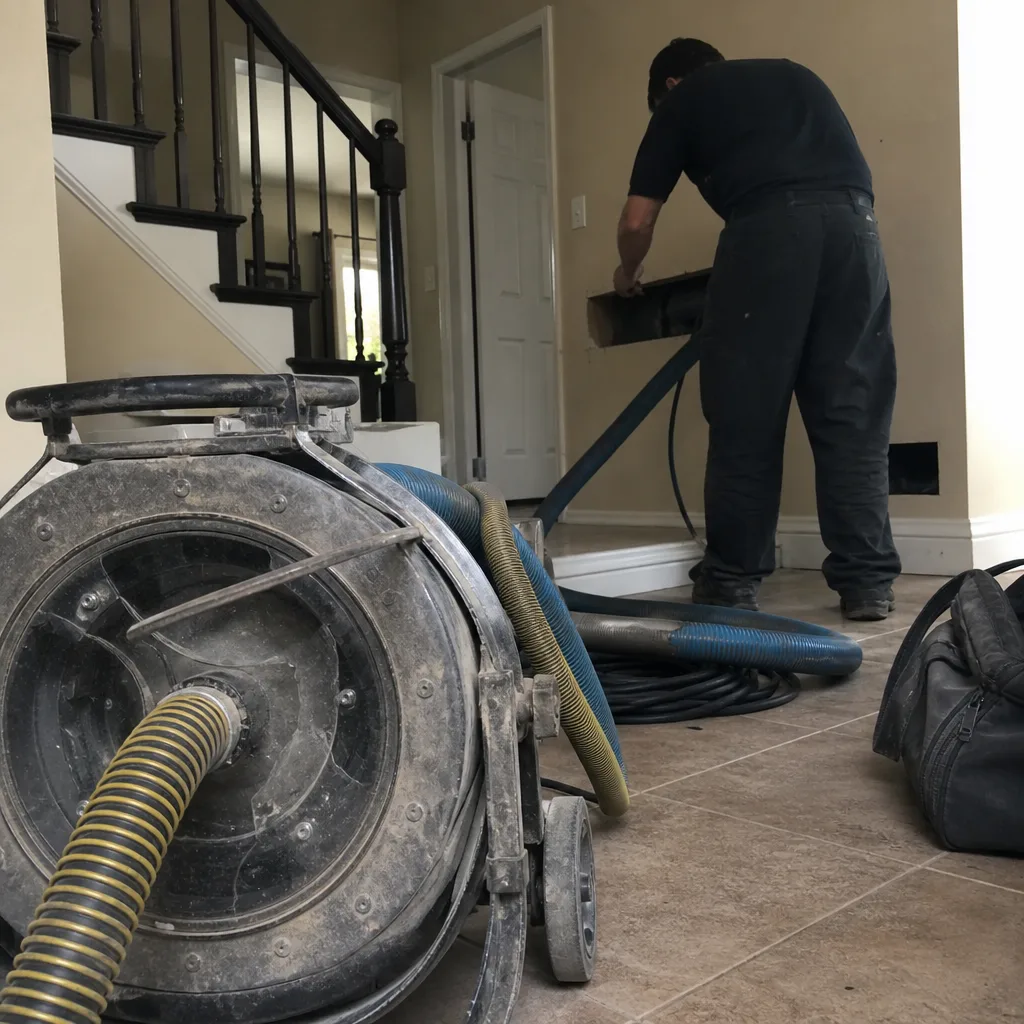
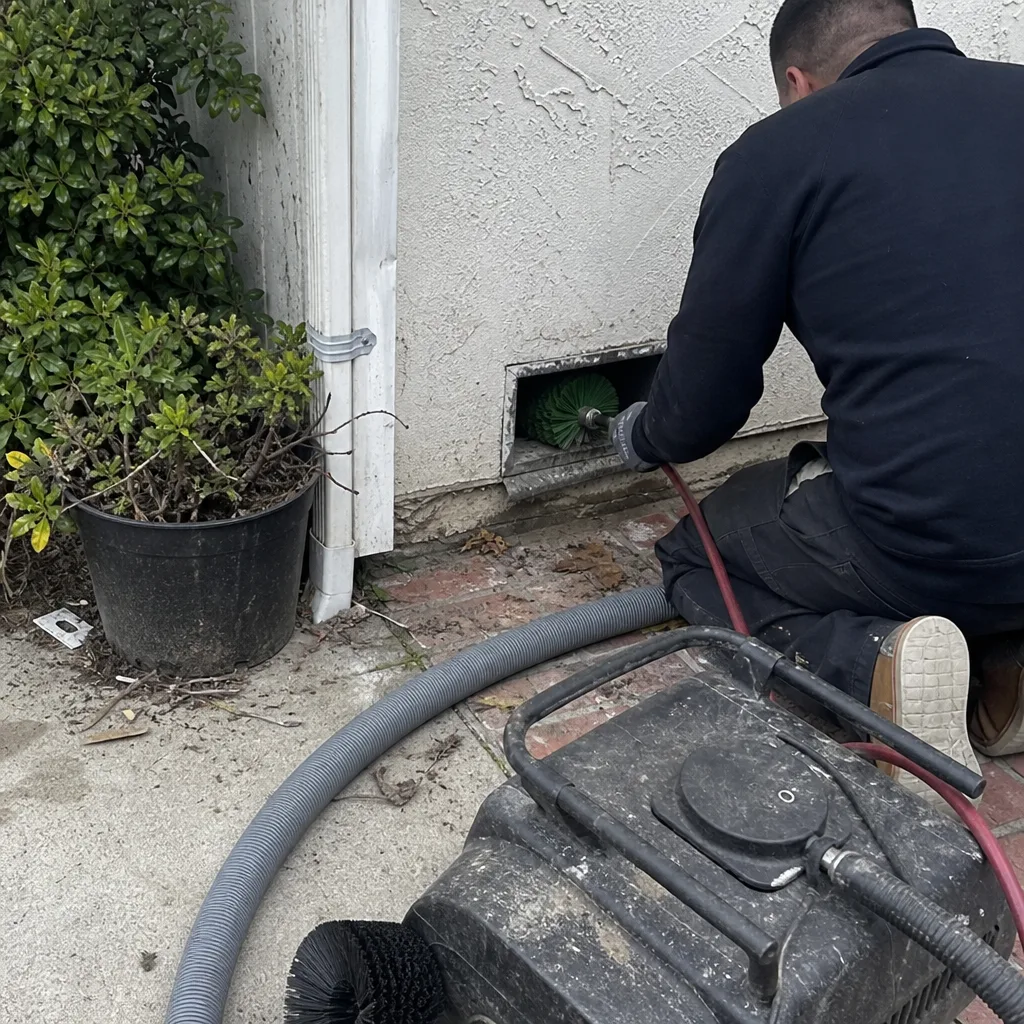
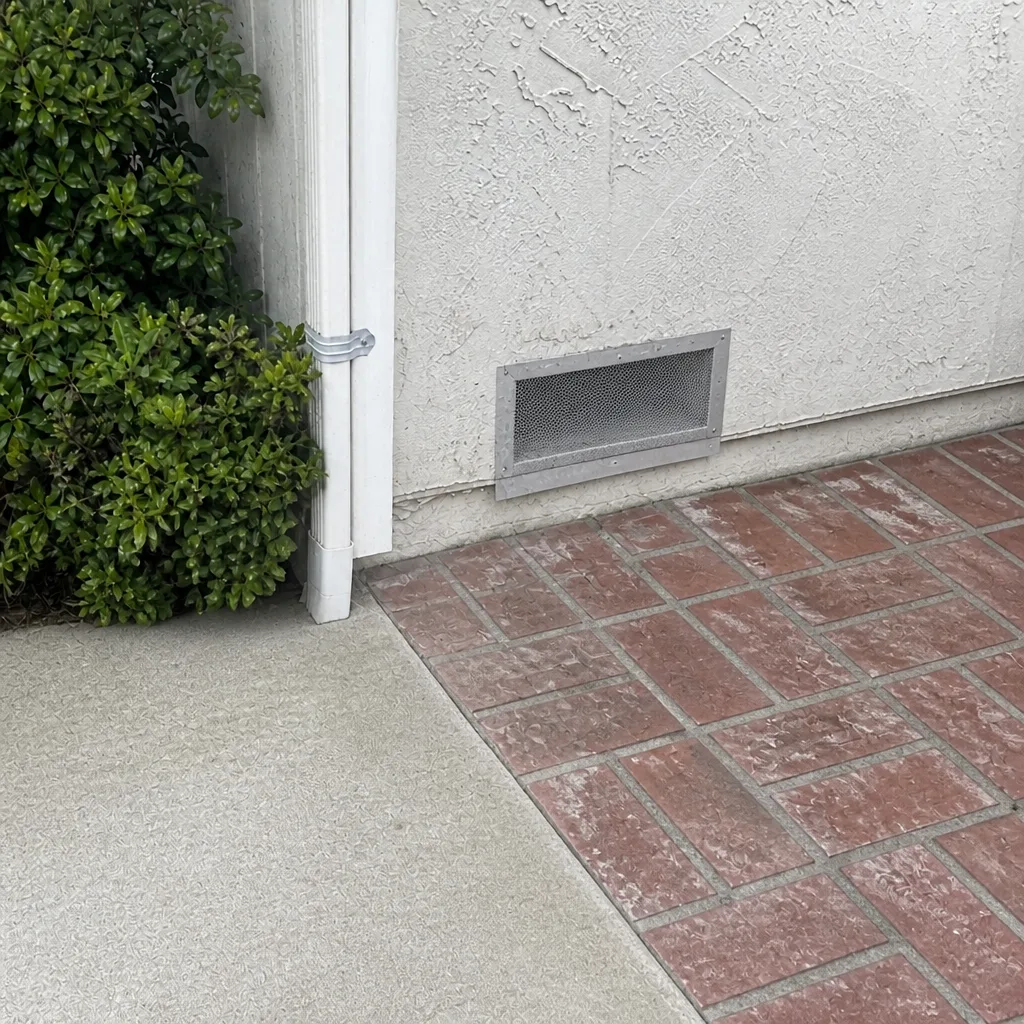
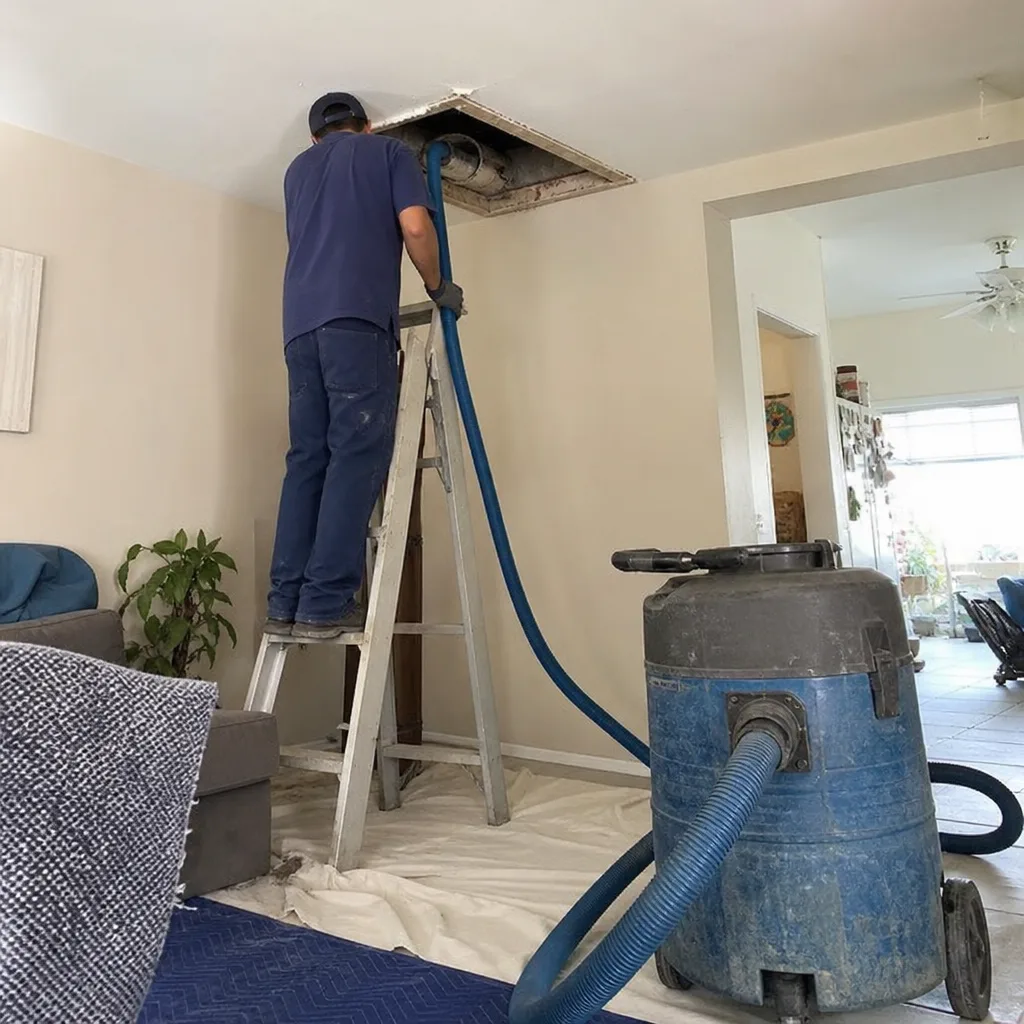
Whole-system duct and dryer vent check with before-and-after photos - you see exactly what came out of your vents
That "$99 whole-house special" is a bait ad - the real number appears once they are in your hallway, or the "clean" is a shop-vac at the register. We photograph the inside of your ducts before and after instead.
Seasonal Air Duct Cleaning Care for Huntington Beach: Year-Round Homeowner’s Guide
Most homeowners assume ductwork needs attention once a year, on a fixed schedule, the same way you’d change a battery in a smoke detector. In Huntington Beach, that thinking misses the point. This city doesn’t have one duct-loading season. It has four, and they don’t line up with the calendar neatly. The May marine layer and the October Santa Ana winds put entirely different material into your air system, and each one needs a different response. A plan built for a dusty inland suburb will over-clean in some months and completely miss the worst loading events in others. What follows is a season-by-season breakdown of what actually lands in Huntington Beach ductwork, how to time professional service around it, and which tasks belong to you versus which ones need real equipment.
Styles & brands we work with
- Whole-home duct cleaning
- Dryer vent cleaning
- Camera inspection
- Sanitizing & deodorizing
Quick Answer
Air ducts in Huntington Beach need professional cleaning timed to the city’s actual seasonal loading events rather than a generic annual schedule: a pre-summer cleaning in late spring before June Gloom humidity sets in, and a post-Santa Ana cleaning in late fall or early winter after fire-smoke events push particulate into return-air runs. Between those two professional visits, filter changes and basic inspections handle the in-between months. A full-system cleaning once a year, placed on the right side of those two events, covers most homes here.
Table of Contents
- Why Huntington Beach Has Four Air Quality Seasons That Don’t Match the Calendar
- The June Gloom Effect: What the Marine Layer Deposits Inside Your Ducts
- Santa Ana Season: Why Fall Is the Heaviest Loading Event of the Year
- Spring Transition: Pollen, Spores, and the Pre-Summer Inspection
- Winter’s Particle Reset and What It Means for Your System
- How to Time Cleaning and Filter Changes Without Re-Contaminating a Clean System
- The Seasonal Task Matrix: What You Handle vs. What Needs Professional Equipment
- Common Mistakes to Avoid
- When to Call a Professional
- Frequently Asked Questions
- The Bottom Line
Why Huntington Beach Has Four Air Quality Seasons That Don’t Match the Calendar
Huntington Beach sits in a spot where three distinct weather patterns take turns over the same airshed. The marine layer pushes in from the west on summer mornings and burns off by afternoon. Offshore flow reverses the whole picture in fall and pulls dry, warm air from the interior toward the ocean. Spring rain events and the pollen they trigger arrive on their own schedule. Each pattern carries a different mix of particles, moisture, and biological material into your HVAC system, and each one hits ductwork in a different way.
The practical result is that “air duct cleaning once a year” is roughly the right frequency, but the timing matters more than the frequency. Put a cleaning in the wrong month and you’ll waste it. Hoses get pulled through a system only to be refilled within weeks by an event you could have anticipated.
Here’s how the four de facto seasons break down in a Huntington Beach home:
- June Gloom humidity season (roughly May through July): cool, moist marine air cycles through the return ducts each morning. This is the biological growth window.
- Santa Ana smoke season (roughly October through December): dry offshore winds, low humidity, and combustion particulate from inland fire activity. This is the highest particulate-loading window of the year.
- Spring pollen and spore window (roughly February through April): post-rain vegetation release. This is when a pre-summer inspection pays for itself.
- Winter particle reset (roughly late December through February): the period when the system runs less, dust settles, and the next cycle begins.
That’s the framework the rest of this guide is built on. Every recommendation that follows ties back to one of these four windows.
The June Gloom Effect: What the Marine Layer Deposits Inside Your Ducts
The marine layer is Huntington Beach’s most underrated air-duct factor. Between May and July, cool moist air rolls in most mornings and clears by midday, which means your HVAC system pulls damp outside air into the return side of the system during the coolest, wettest part of the day. That air is filtered, but filters don’t remove moisture. Over a season of daily cycles, humidity accumulates inside the duct network and at the air handler coil.
What that produces depends on your duct material:
- Fiberglass-lined ductwork: the lining acts as a sponge on the inner surface. Cycle it wet and dry repeatedly, and it becomes fertile ground for mildew and biological growth. The musty odor many Huntington Beach homeowners notice in July traces back to this more often than any other cause.
- Sheet metal ductwork: less absorbent, but condensation collects at joints and low points where dirt has settled. That trapped moisture feeds growth on the dirt itself.
- The air handler coil: this is the spot with the most moisture exposure in the whole system. A wet coil with a dust film becomes a biological surface fast.
In our experience, the homes that notice odors first are the ones running the fan continuously rather than in auto. Continuous operation keeps drawing marine air across a damp coil through the whole wet morning.
What a pre-summer inspection should cover
- Visual inspection of the air handler coil for moisture film, dust buildup, or visible growth.
- Return-side duct inspection, especially any fiberglass-lined sections.
- Odor check: run the system for a few minutes with the house closed up and note whether musty air comes through.
- Filter condition check, plus the correct filter rating for your system’s airflow.
- Condensate drain check to confirm the coil area isn’t staying wet.
This is the right time to schedule air duct cleaning for the year. Clean before the wet season, not after it. Cleaning in April or early May gives you a dry, clean system heading into the months when moisture is the dominant problem.
Santa Ana Season: Why Fall Is the Heaviest Loading Event of the Year
October through December is when Huntington Beach ductwork takes on the most particulate of the year. Santa Ana winds push dry, warm air from the interior toward the coast, and when those wind events coincide with fire activity anywhere in Southern California, combustion particulate travels with them. Smoke plumes from inland fires routinely reach the coast on offshore flow, and that’s the material that loads into return-air ducts faster than anything else seasonally.
What makes it worse than a typical dusty day is composition. Combustion particulate is fine enough to pass through standard filters in quantity and sticky enough to adhere to duct surfaces. The nose notices first because fine smoke particulate carries odor. A Huntington Beach home that smells faintly of smoke for weeks after a fire event, even with windows closed, is usually smelling its own ductwork.
Our recommendation for the fall window:
- During a Santa Ana smoke event: close the house, run the system on recirculate if your thermostat offers it, and change the filter once the event passes. Don’t try to clean ducts mid-event.
- After the event clears and the winds return onshore: that’s the moment to book a cleaning. Cleaning while particulate is still airborne outside just reloads the system.
- Address the return side specifically: return ducts pull from every room and hold the most particulate in a smoke-loaded home. A proper cleaning covers both supply and return, plus the air handler.
- Consider sanitizing if odor persists after a thorough cleaning. Standard cleaning removes material; sanitizing treats the surfaces that smoked particulate has adhered to.
- Add a higher-MERV filtration step for the season if your system can handle it. Products like Honeywell and Aprilaire media filters are built for this, but the system has to be able to handle the static pressure.
If you’re planning a single annual cleaning and you live in Huntington Beach, doing it in November or early December captures the worst loading event of the year before it settles into the system for the winter months. That said, many local households run two cleanings: pre-summer in April or May and post-Santa Ana in November. Which pattern makes sense depends on how much smoke actually reaches your property, which varies block to block depending on wind direction.
Spring Transition: Pollen, Spores, and the Pre-Summer Inspection
February through April is when the air in Huntington Beach carries its highest outdoor biological load of the year. Rain events germinate vegetation, and the weeks following a wet spell push pollen and mold spores into the outdoor air. Those particles enter the return side of the system and accumulate inside the ducts and at the air handler.
What makes spring different from the other seasons is the timing problem. If you don’t clean before pollen season, the material gets pulled into the system and stays there through the June Gloom humidity window, when airborne spores have the moisture they need to settle in. Spring cleaning on the back half of the pollen season (late April into May) gets the pollen out before it becomes a summer growth problem.
What the pre-summer inspection should include
- Filter change on the right schedule. Fresh filter before pollen season, second change after pollen tapers off. Filter change frequency depends on outdoor load and how much the system runs.
- Air handler coil inspection. Pollen that reaches a wet coil sticks fast. Check and clean if there’s buildup.
- Return grille and return duct inspection. The return side is where pollen and spores collect first.
- Duct sealing check. Any loose joint or unsealed connection lets outdoor pollen bypass the filter entirely and enter the system downstream. That’s a duct repair and sealing issue, not a cleaning issue, and it needs to be fixed before the next cleaning is worth doing.
- System airflow test. If the system’s running warm or short-cycling, restricted airflow in the ducts may be part of it.
Late spring is also the right window for related inspections. HVAC cleaning covers the air handler, coil, and blower – the components that collect pollen and hold moisture heading into summer. Running a full HVAC cleaning alongside a duct cleaning once a year gives you a clean whole-system baseline.
The other task to fold into the spring window is a dryer vent check. Dryer vents build up lint year-round and are a documented leading cause of residential fires when neglected. Spring cleaning season is the natural time to add a dryer vent cleaning appointment.
Winter’s Particle Reset and What It Means for Your System
Winter is the quietest season for air-duct loading in Huntington Beach, and that’s exactly why it matters to your annual plan. The marine layer recedes, Santa Ana season winds down, vegetation is dormant, and the system runs less. Particles settle. What was airborne in October becomes surface deposit in January.
That settling phase (roughly late December through February) is when accumulated material in the ductwork becomes visible in the form of household dust. A homeowner who notices dusting more often in January, or who sees a musty smell in the first few weeks after turning the system on again, is usually seeing the reset in action: fine particles that were held in duct surfaces getting redistributed as airflow resumes.
What winter can’t tell you on its own is how much of the accumulated deposit is surface dust versus how much has bonded into the more adhesive material that builds up at the air handler coil and in return duct corners. Surface dust responds to filter changes. Bonded material does not.
Winter is also the best window for a few things that don’t load the ducts but do affect air quality and system performance:
- Duct repair and sealing. Leaky joints and disconnected runs are easiest to access and fix between load cycles, when inspection isn’t complicated by heavy particulate. Sealing also reduces the next season’s loading by keeping outdoor air out.
- Filtration upgrades. If the system’s airflow can handle it, this is when a higher-efficiency filter or a media cabinet makes the most sense. Aprilaire and Honeywell both offer media filter cabinets that change the equation for a Huntington Beach home heading into the spring and fall loading windows.
- Sanitizing. If a home has had a musty reading any time in the fall or winter, sanitizing the duct surfaces before spring loading starts again keeps the problem from compounding.
Pair the repair and sealing work with a seasonal filter change, and you’ve used January and February effectively without over-scheduling service you don’t need.
How to Time Cleaning and Filter Changes Without Re-Contaminating a Clean System
The most common mistake in duct maintenance isn’t skipping the cleaning – it’s cleaning at the wrong moment relative to filter changes. Get this timing wrong and you’ll throw away part of what you paid for.
The sequence that works:
- Change the filter the day before the cleanings. That gives the system a clean filter when the technicians start, so the airflow test reflects real performance rather than a clogged filter’s restriction.
- Have the cleaning done, including the air handler. A cleaning that stops at the ductwork and doesn’t address the coil and blower leaves the biggest particulate reservoir untouched.
- Change the filter again immediately after the cleaning. Cleaning dislodges material that ends up in the filter. Re-using the old filter is one of the fastest ways to refill a freshly cleaned system.
- Change the filter again in three to six weeks. Even a good cleaning stirs up surface particulate, and the first post-cleaning cycle dislodges some of it.
- Then return to your regular filter interval. What that interval is depends on outdoor load, household dust tolerance, and the filter’s rated life. In a Huntington Beach home running a higher-MERV filter through the summer and fall, expect to change more often than the label suggests.
There’s one more sequencing rule worth stating: don’t clean ducts before duct repair and sealing work if any is needed. Cleaning a system with leaks just means the cleaning has to be done again once the leaks are closed. In our experience, the right order is repair and seal, then clean, then sanitize if needed.
What a professional-grade cleaning includes
Cleaning that actually clears a system takes more than a shop vacuum. We use professional-grade equipment from Rotobrush and Nikro, the same systems specified by professional IAQ contractors and commercial facilities, paired with negative-pressure setups that keep dislodged material from ending up in the living space. The cleaning covers supply runs, return runs, the air handler, and – when quoted – sanitizing for the surfaces that cleaning alone doesn’t fully address. A proper before-and-after documentation set at the end of the job shows what came out of the system.
The Seasonal Task Matrix: What You Handle vs. What Needs Professional Equipment
Some duct maintenance is DIY-appropriate, some of it isn’t. The line isn’t about difficulty; it’s about what equipment can actually reach and what it does to the system. Anything that requires physical access to the interior of the ductwork or the components at the air handler belongs on the professional side of the line.
Homeowner tasks by quarter
- January through March: check filter, change as needed; vacuum accessible return grilles; visually inspect what you can see at the air handler access panel (without opening it); note any musty odor.
- April through June: filter change before pollen season and again after; grille vacuuming monthly; check condensate drain line for clogs; keep exterior doors and windows closed during the heaviest marine layer mornings.
- July through September: filter checks every few weeks in high-humidity months; watch for musty odor; clean dryer lint trap after every load; check exterior dryer vent flapper for lint buildup.
- October through December: filter change after any smoke event; close windows during Santa Ana wind days; vacuum return grilles when dust is noticeable; inspect dryer vent exterior for lint cap buildup.
Professional tasks by quarter
- April or May (once a year): full air system cleaning – ducts, air handler, coil – plus inspection for moisture or biological growth and a duct sealing check if leaks are suspected. Best time of year to schedule.
- November or December (depending on smoke exposure): second cleaning if the home had significant Santa Ana smoke exposure, or a sanitizing treatment if odor persisted after the spring cleaning.
- Any time: dryer vent cleaning for a dedicated vent that hasn’t been serviced in a while, or if drying times have grown longer.
- Any time: HVAC cleaning if the system is showing airflow problems, coil buildup, or performance concerns.
- Any time: duct repair and sealing if any run is disconnected, crushed, or leaking.
The reason the professional side of the matrix is a real category, not a marketing list, comes down to equipment. Removing accumulated contaminants from inside ductwork and cleaning an air handler coil without damaging it takes professional-grade tools and negative-pressure containment. Homeowner-accessible work is limited to filters, grilles, and external vent openings – which is plenty, if you keep up with it.
Common Mistakes to Avoid
- Cleaning on a fixed calendar month instead of on the local loading cycle. A cleaning in February or March gets overwhelmed by the spring pollen load within weeks. Time the cleaning to the back side of the loading event (April/May and November/December for Huntington Beach), not to a generic annual reminder.
- Cleaning while a Santa Ana wind event is still active. Cleaning mid-event just refills the ducts with the same particulate that’s still airborne outside. Wait until the winds turn onshore.
- Skipping the air handler and coil. Duct cleaning that stops at the ductwork leaves the biggest particulate and moisture reservoir in the system untouched. The air handler is where musty odors and pollen buildup concentrate.
- Re-using a dirty filter after a cleaning. A clean system with a loaded filter re-contaminates in days. Change the filter the day of cleaning and again a few weeks later.
- Assuming a surface dust problem is a whole-system problem. Visible dust on the return grille isn’t the same thing as bonded material inside the duct network. Clean only when there’s actually something to clean – a visual inspection should come first.
- Ignoring duct leaks before cleaning. Leaky joints let outdoor pollen, smoke, and dust bypass the filter entirely. Seal the system first, then clean. Otherwise you’ll be cleaning again within a season.
- Neglecting the dryer vent. Lint buildup in a dryer vent is a documented fire risk and a separate problem from duct cleaning. It deserves its own scheduled maintenance rather than waiting for a warning sign.
When to Call a Professional
Not every system needs professional service immediately. Plenty of Huntington Beach homes can run on filter changes and an annual cleaning. The point at which a professional visit becomes the right call is when symptoms suggest the cause is inside the system, past what a filter can reach:
- A musty or smoky odor that doesn’t clear after a filter change and a few days of running the system.
- Visible dust on return grilles or in the register airstream within a couple weeks of cleaning.
- Persistent airflow problems – weak registers in some rooms, short cycling, or a system that runs hotter or colder than it should.
- A recent Santa Ana smoke event where the house clearly took on particulate.
- A dryer that’s taking noticeably longer to dry than it used to, or a visible lint cap at the exterior vent.
Huntington Beach Air Duct Cleaning Co offers free estimates in Huntington Beach – call (855) 658-4076. The estimate is per job and set in writing before any work starts, using professional-grade equipment from Rotobrush and Nikro, plus trusted filtration products from Honeywell, Aprilaire, and Abatement Technologies where the system calls for it. Our technicians have up to 13 years of experience, and the whole set of services – duct cleaning, HVAC cleaning, dryer vent cleaning, duct repair and sealing, and sanitizing – is handled by one team. Your entire air system, one visit.
Frequently Asked Questions
Once a year is the standard recommendation for most Huntington Beach homes, timed to late spring (April or May) or late fall (November or early December) so it lands on the right side of the marine layer and Santa Ana loading windows. Homes that get significant smoke exposure during fall wind events may want a second cleaning that year, or a sanitizing treatment if odor persists after the first cleaning. If you’re not sure which season fits your property best, an inspection will settle it.
Yes, and it’s the most underrated seasonal factor in Huntington Beach duct maintenance. Cool moist marine air cycles through the return side of the system each morning for months, and over a season that humidity accumulates inside ductwork and at the air handler coil. Fiberglass-lined ducts absorb the most moisture. The result is the musty odor many homeowners notice in July. Cleaning before the wet season starts is the most effective way to prevent the issue.
For Huntington Beach, yes, particularly October through December. Santa Ana winds pull dry warm interior air toward the coast, and when those wind events carry combustion particulate from inland fire activity, the particulate reaches coastal ductwork faster and in greater quantity than any other seasonal event. The return side takes the heaviest load. Cleaning after the event, not during it, is the right timing.
A shop vacuum reaches only the duct sections you can physically access through a register, which is a small fraction of the system, and it can’t create negative pressure to contain what it loosens. Professional cleaning uses equipment like Rotobrush and Nikro that reaches the full duct network and the air handler coil, with negative-pressure containment so dislodged material doesn’t end up in the living room. That headroom is why the cleaning is worth doing once a year instead of weekly.
Duct repair and sealing is a genuine repair, not an add-on. Leaky or disconnected duct runs let outdoor air, pollen, and smoke bypass the filter entirely – the cleaning and the sealing address different failures. If the sealing inspection finds a real issue, fixing it before a cleaning means the cleaning isn’t wasted. In our experience, homes with unsealed duct systems routinely clean up only to re-soil within a single season if the leaks aren’t addressed.
Schedule a dedicated dryer vent cleaning if it hasn’t been done recently or if drying times have stretched longer. Dryer lint accumulation is a documented leading cause of residential fires, and it’s a different system from your HVAC ductwork. Adding this to your seasonal plan covers the whole-home safety side of the schedule, not just the air quality side. If it’s been a while, calling for an inspection is the right first step.
The Bottom Line
Huntington Beach duct maintenance works on four seasonal rhythms, not on a calendar reminder. The marine layer loads moisture in late spring; Santa Ana winds load combustion particulate in the fall; spring pollen and spore window arrives before the wet season begins; winter settles whatever didn’t get addressed. A single annual cleaning lands correctly for most homes if it’s on the right side of those two major events – pre-summer in April or May, or post-Santa Ana in November or early December. Filter changes carry the in-between months, and duct repair and sealing deserve attention before the cleaning rather than after. Get the sequencing right, and the rest of the year runs itself. Call (855) 658-4076 to book a Huntington Beach estimate. We answer 24/7. Fast dispatch from 7am to 7pm, Sunday through Friday. Your air system, done right, by the team at Huntington Beach Air Duct Cleaning Co.
Written by the team at Huntington Beach Air Duct Cleaning Co.
See the difference
 Before
 After
 Before
 After
 Before
 After