
Last updated November 24, 2026
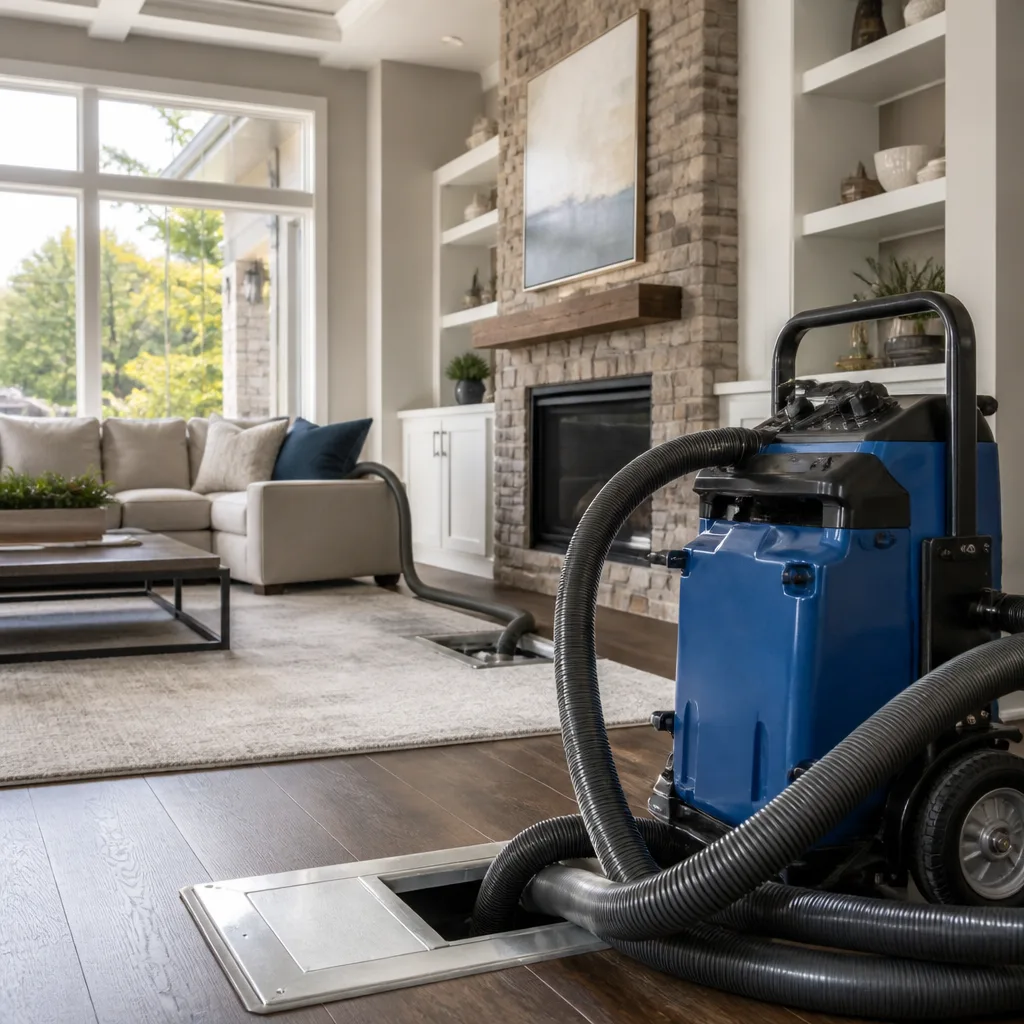 Whole-home duct cleaning
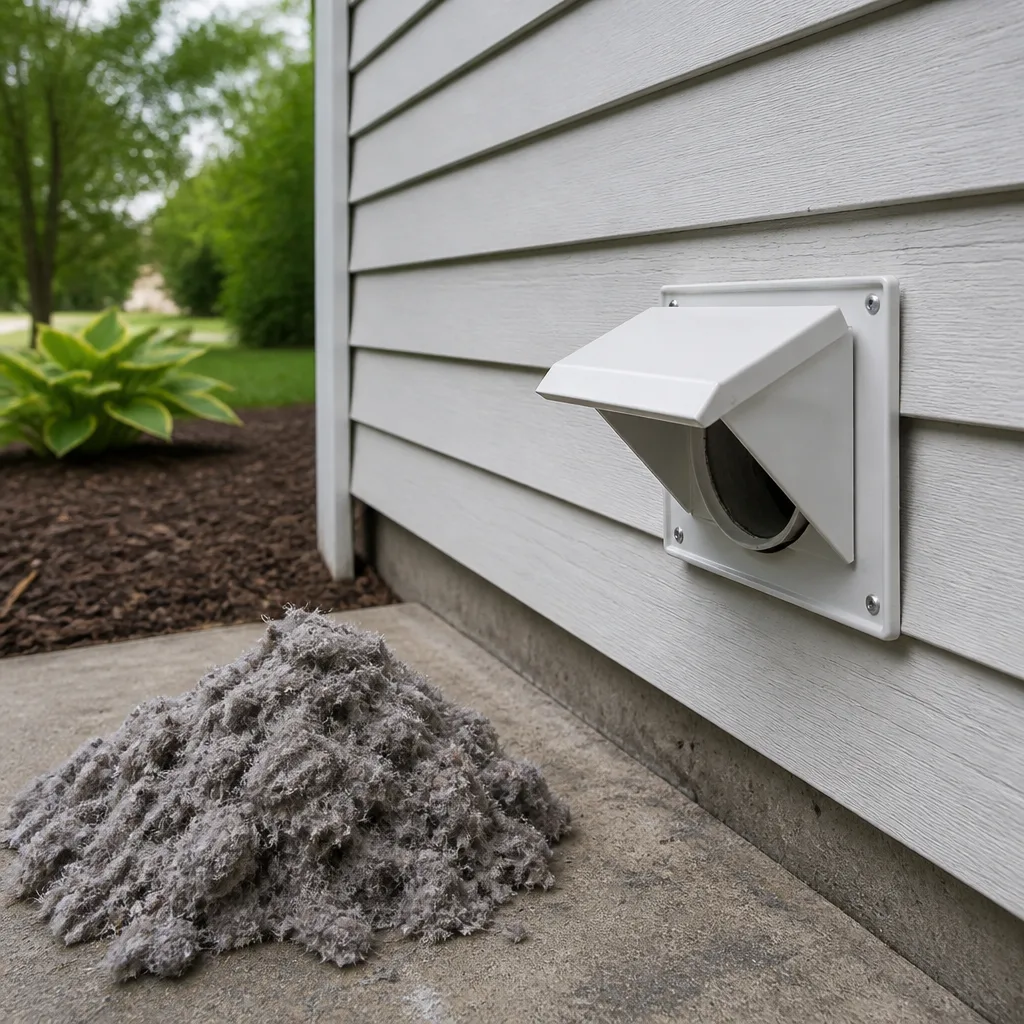 Dryer vent cleaning
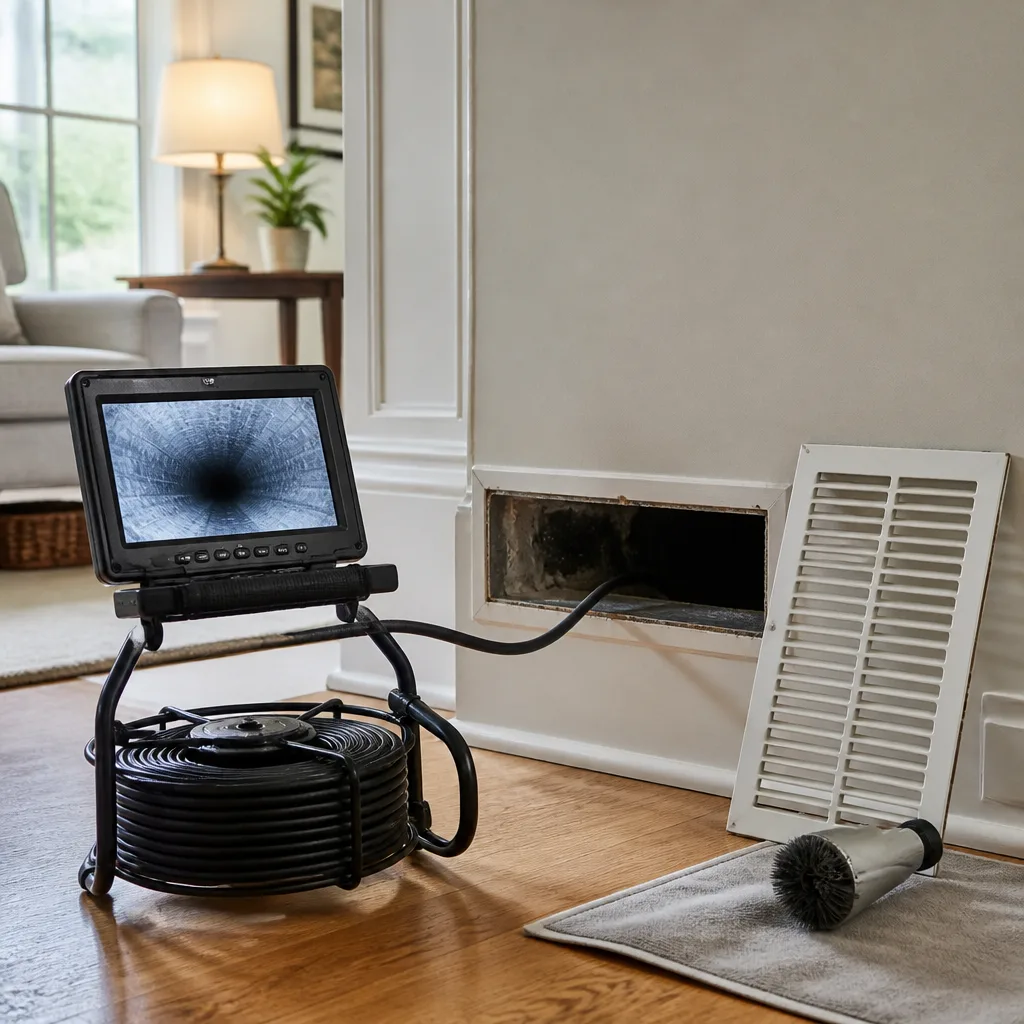 Camera inspection
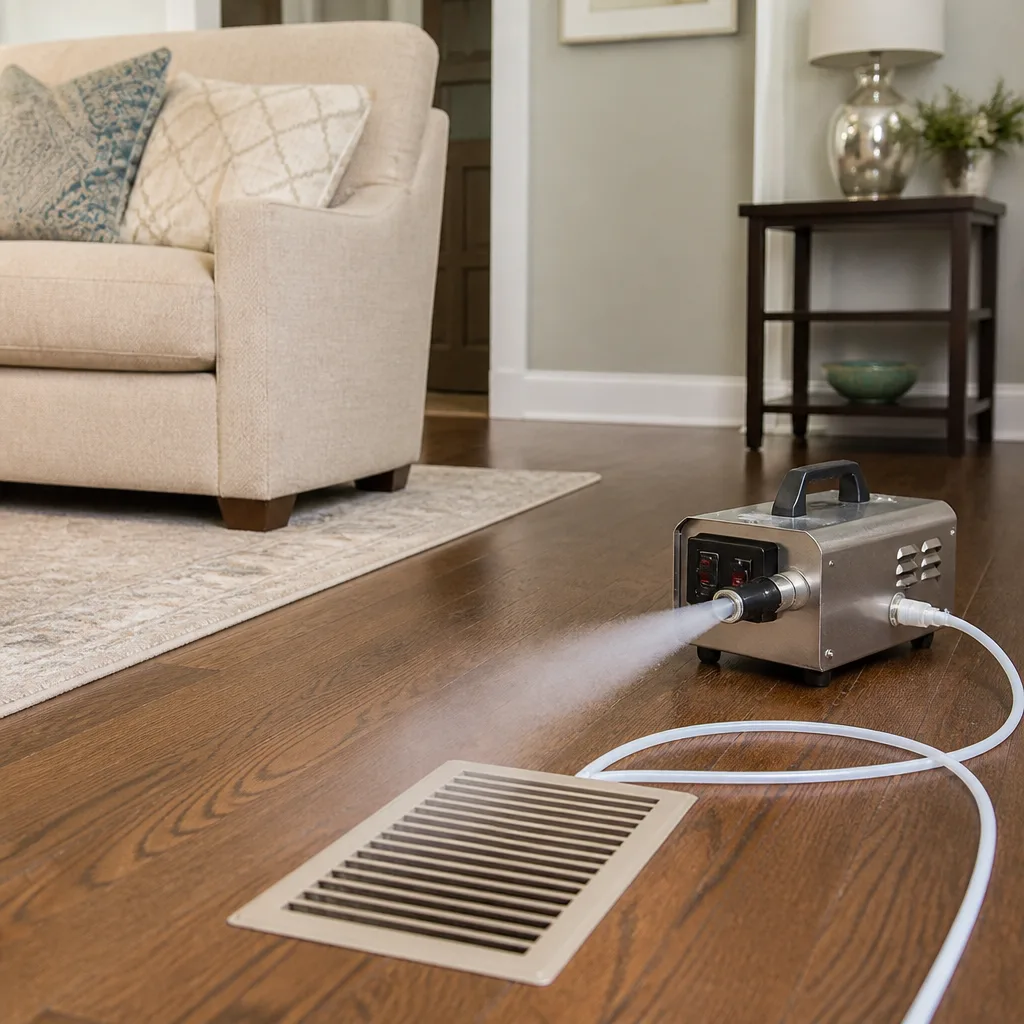 Sanitizing & deodorizing
Whole-system duct and dryer vent check with before-and-after photos - you see exactly what came out of your vents
That "$99 whole-house special" is a bait ad - the real number appears once they are in your hallway, or the "clean" is a shop-vac at the register. We photograph the inside of your ducts before and after instead.
Air Duct Cleaning Emergency Preparedness Guide for Huntington Beach Homes
Most Huntington Beach homeowners have a plan for the earthquake and a plan for the wildfire smoke. Very few have a plan for what those events leave behind inside the ducts. The instinct after any emergency is to get back to normal fast, and that usually means flipping the thermostat back on. That single step can be the worst thing you do. A return-air system that pulled in smoke, ash, or dislodged insulation holds that material against the filter and along the duct walls, and restarting the blower pushes it into every room at once. This guide walks through what to check, in what order, before the system runs again.
Quick Answer
After a wildfire smoke event or an earthquake, do not restart your HVAC until you’ve checked the return-air side, the filter, and the accessible duct runs for ash, soot, and disconnections. If ductwork is compromised or heavily soiled, seal off the affected section and call a professional for air duct cleaning and inspection before running the full system. In Huntington Beach, where slab-on-grade homes often have under-floor or attic runs, a post-emergency inspection catches problems that a visual walk-through never will.
Styles & brands we work with
- Whole-home duct cleaning
- Dryer vent cleaning
- Camera inspection
- Sanitizing & deodorizing
Table of Contents
- Post-Wildfire Smoke: What to Check Before Restarting Your HVAC
- Earthquake Response: Inspecting Ducts Before You Run the System
- Water Intrusion: What Happens to Duct Insulation and Liner
- How to Run the System in a Degraded-but-Safe Mode
- Documentation for Insurance Claims on Emergency Duct Work
- The Three Emergency Scenarios Side by Side
- Common Mistakes to Avoid
- When to Call a Professional
Post-Wildfire Smoke: What to Check Before Restarting Your HVAC
Wildfire smoke that reaches an AQI of 150 or higher in the Huntington Beach area carries fine particulate matter, combustion byproducts, and ash that settles on every surface it can reach. Your HVAC system is one of those surfaces, and the return-air side is where most of it ends up. The filter catches some of it, but a loaded filter becomes a source rather than a barrier once the blower starts. Soot and ash trapped against the filter media get pushed through and redistributed to every room.
Here’s the order we recommend for Huntington Beach homes after a smoke event:
- Keep the system off until you’ve looked at the filter. Pull the filter and hold it up to the light. If it’s dark, matted, or smells like smoke, replace it before anything else runs.
- Check the return-air grilles for visible ash and soot. Run a white cloth along the inside of each return grille. A gray or black streak means material has traveled past the filter.
- Look at the supply registers for dust trails. Soot that reaches the supply side usually leaves a fine film around the edges of the register vanes. That’s a sign the ducts themselves need cleaning, not just the filter.
- Smell the air at each register with the system off. A persistent campfire or chemical odor at the registers means combustion residue is sitting in the ductwork.
- Replace the filter and run the fan on low for a short cycle. If the odor or visible dust returns quickly, schedule a professional inspection.
The filtration side matters here. Homes in Huntington Beach that run higher-MERV media cabinets from brands like Honeywell or Aprilaire recover faster after a smoke event because the filter captures a much larger share of fine particulate before it reaches the coil and duct interior. If your system uses a basic fiberglass filter, a smoke event is a good reason to look at an upgrade. A trained technician can confirm the right MERV rating for your equipment without overloading the blower.
When the smoke clears and you’re ready to deal with the residue, that’s the moment to call for air duct cleaning. Source removal with professional-grade equipment is a different job than a homeowner vacuuming a register. Using systems like Rotobrush and Nikro, technicians can pull soot and fine particulate out of the duct interior rather than pushing it around. In our experience, Huntington Beach homes that get the cleaning done within a few weeks of a major smoke event end up with cleaner coils and better airflow than those that wait until the next season.
Earthquake Response: Inspecting Ducts Before You Run the System
Earthquakes are the emergency Huntington Beach homeowners plan for most, yet the duct system rarely makes the checklist. Flexible connectors, takeoffs, and hangers are the parts most likely to fail or shift during a shake. A duct that has pulled loose from a plenum or a boot that has separated from a floor register looks fine from the hallway but dumps conditioned air into a wall cavity or crawlspace the moment the blower starts. Insulation that’s been shaken loose inside the duct liner can also end up partially blocking a run.
Before you run the HVAC after a significant quake, work through this inspection list:
- Check the air handler cabinet and connections. Look for gaps, popped seams, or a flexible connector that has visibly torn or slipped off its collar.
- Inspect accessible duct runs in the attic, garage, and closets. Look for sagging runs, cracked mastic, or hangers that have pulled free of the framing.
- Check floor registers for movement or misalignment. A register that sits higher, lower, or crooked after a quake may have a separated boot underneath.
- Listen before you run the system. Turn the fan on briefly and listen for whistling, rattling, or a change in airflow at the registers. Those sounds mean a leak or a blockage.
- Smell for mustiness at the registers. An odor after a quake can signal disturbed insulation in the duct liner or a run that’s now drawing from an unintended space.
Slab-on-grade construction, which is common across Huntington Beach, adds a wrinkle. Under-slab or under-floor duct runs are hard to see, and a break in one of those runs won’t show up in a walk-through. If your registers feel weak after a quake, or you notice a temperature difference between rooms that wasn’t there before, a camera inspection is the practical way to find out what happened underground. Duct repair and sealing capability matters here: the technician can diagnose the compromised section and fix it on the same visit rather than handing you a report and leaving you to find someone else.
Water Intrusion: What Happens to Duct Insulation and Liner
Water is the quiet emergency. A roof leak, a burst plumbing line near the air handler, or flooding from a storm drain backup can soak into duct insulation and fiberglass liner, and the damage doesn’t announce itself the way smoke does. Wet insulation loses its thermal value, compresses, and often stays wet for weeks inside a closed attic or wall cavity. That’s the perfect environment for mold growth inside the system, and once mold takes hold in the liner it doesn’t dry out on its own.
What to look for after any water event near the HVAC equipment or ductwork:
- Staining or sagging insulation on accessible duct runs. Wet fiberglass blanket looks darker, flatter, and heavier than dry blanket.
- Rust at the joints, collars, or register boots. Rust is a reliable sign that a run has been wet, even if it looks dry now.
- A musty smell at the registers or at the air handler. This is the most common early indicator homeowners report to us after a water event.
- Pooled water or efflorescence near the air handler. Any sign the cabinet has been wet is a reason to keep the system off until it’s inspected.
- Visible mold on liner or duct board. Porous duct material that shows mold growth usually can’t be cleaned in place and needs replacement or sealing.
If ductwork has been wet, the correct order is dry-out first, then inspection, then repair or replacement of damaged sections, then cleaning and sanitizing. Air Quality and Sanitizing service with products from manufacturers like Guardsman or Abatement Technologies is a step in that sequence, not a shortcut around it. Sealing a wet duct never works. In our experience working on Huntington Beach properties, half the water-damage duct calls we see started as a small roof leak that nobody addressed until the smell showed up months later.
How to Run the System in a Degraded-but-Safe Mode
You can’t always get a technician on site the same hour a problem shows up. That’s why it matters to know how to run the system safely in what we call degraded mode while you wait for professional service. The goal in degraded mode is to keep the air moving in the parts of the house that are safe while isolating the compromised section so the damage doesn’t spread.
Here’s the sequence:
- Turn the system off at the thermostat. Not just the fan, the whole system. This prevents any further distribution of contaminants.
- Close supply registers and dampers serving the affected zone. If the problem is in one wing of the house, isolate it.
- Seal the compromised duct section with foil tape or plastic sheeting and painter’s tape. This is a temporary measure only. Foil tape on a metal duct is a reasonable stopgap; plastic sheeting taped over a torn flex run works for a day or two.
- Replace the filter with a fresh one of the correct MERV rating. Don’t go higher than the system is designed for; higher-MERV filters on a system built for lower restriction can strain the blower.
- Run the fan in “on” mode for short intervals only. Watch for odor or dust returning quickly. If it does, shut down and wait for service.
- Use portable air purifiers in the rooms you occupy most. This is not a substitute for duct cleaning, but it helps while you’re waiting.
What degraded mode does not include is any kind of temporary repair that involves working inside the air handler cabinet, opening the electrical panel, or physically prying at duct connections you can’t see clearly. Those are jobs for a trained technician. In Huntington Beach, where ducts often run through tight attic and crawl spaces, we’ve seen homeowners cause more damage attempting a temporary fix than the original problem did. When in doubt, leave it sealed and off.
Documentation for Insurance Claims on Emergency Duct Work
Whether your policy covers duct remediation after a smoke, quake, or water event depends on the cause and how you document it. Homeowners who call us after a loss say the same thing: the adjuster asked for photos, and they had none of the duct system before or after. Gathering documentation is not busywork, it’s the difference between a covered claim and an out-of-pocket expense.
What to gather before repairs begin:
- Dated photographs of the visible ductwork, filters, and registers. Before any cleaning or repair. Include close-ups of any visible soot, water staining, or disconnected runs.
- A written scope of work from the contractor. Not just an invoice. The scope should describe what was found, what needs to be done, and why. This is what adjusters evaluate.
- Indoor air quality readings where they were taken. If a technician takes particle counts or moisture readings, ask for those in writing with the date, time, and location.
- Before-and-after photos of the ductwork. Any professional service should provide these. If they don’t, ask why.
- Receipts for any temporary measures. Filters, temporary tape, portable purifiers used during the waiting period, and any hotel or temporary lodging if the home was uninhabitable.
- Correspondence with the technician or contractor. Emails, texts, and written estimates, kept together in one folder.
The professional-grade equipment side of this matters for the claim too. A scope of work that references specific equipment, such as Rotobrush or Nikro source-removal systems, and specific filtration or sanitizing products from a recognized manufacturer, is more credible to an adjuster than a line that says “duct cleaning.” Ask whoever does the work to include the equipment and products in the written scope.
The Three Emergency Scenarios Side by Side
Different emergencies hit the duct system in different ways. Here’s a quick comparison to help you decide what to do first:
- Wildfire smoke (AQI 150+ event): Primary contaminant is fine particulate and combustion residue. First action: inspect and replace filter. Second: check return grilles for ash. Third: professional source-removal cleaning. Duct integrity is usually intact; the problem is contamination.
- Earthquake: Primary risk is mechanical failure, disconnections, and disturbed insulation. First action: visual inspection of accessible runs and connectors. Second: brief fan test to listen for whistle or rattle. Third: camera inspection if airflow is off. Contamination is often secondary; the problem is integrity.
- Water intrusion (roof leak, flood, plumbing failure): Primary risk is wet insulation, mold growth, and rust. First action: keep the system off, dry out the space. Second: inspect for staining, mustiness, and rust. Third: repair or replace wet sections, then clean and sanitize. Both integrity and contamination are at stake.
In all three cases, the pattern is the same: stop the system, inspect in the right order, document what you find, then call for professional service before restarting. If you’re not sure which scenario applies, treat it as the most severe one.
Why Huntington Beach Homes Face Specific Duct Risks
Huntington Beach sits in a mild, dry climate, which is generally kind to duct systems. But mild does not mean risk-free. The region’s wildfire seasons have grown longer, and smoke events that reach the Huntington Beach area at unhealthy AQI levels are now a recurring reality rather than a one-off. Each smoke event leaves particulate residue behind in the return-air side of the system, and repeated events build up faster than a single filter change can address.
Earthquake risk is a constant in Huntington Beach, and it’s the scenario that most often produces hidden duct damage. Slab-on-grade homes with under-floor runs are especially prone to undetected separation at boots and takeoffs. A minor shift during a shake can open a gap that goes unnoticed for months, quietly pushing conditioned air into a crawlspace and pulling unconditioned air back into the return.
Water intrusion is the third recurring risk in Huntington Beach homes. Roof leaks, plumbing failures near the air handler, and occasional storm-driven flooding all find their way into duct insulation with surprising ease. Because attic access is often limited and many homes have ducts run in tight soffits, wet insulation can sit for weeks before the smell reaches the living space. In our experience, catching it early is the difference between a targeted repair and replacing an entire run.
Homes in Huntington Beach with higher-MERV filtration cabinets from Honeywell or Aprilaire hold up noticeably better through all three scenarios. The filter captures more of what reaches it, the duct interior stays cleaner between events, and the recovery time after the next event is shorter. If your system is still running a basic filter, upgrading is one of the highest-value changes you can make for emergency preparedness. That’s why we think of air duct cleaning and HVAC cleaning as a safety service in Huntington Beach, not a convenience: HVAC cleaning after any of these events keeps the coil and blower clear of the debris that would otherwise get pushed through the whole system.
See the difference
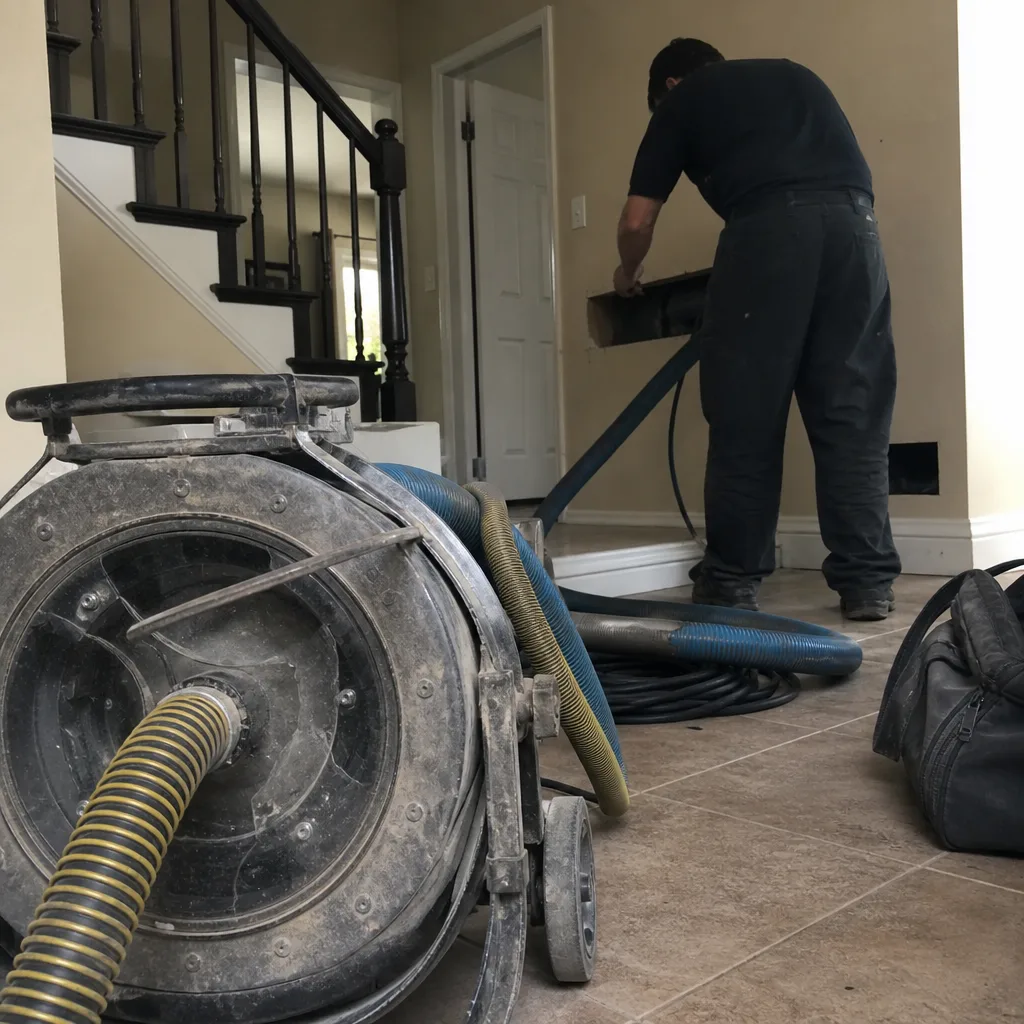 Before
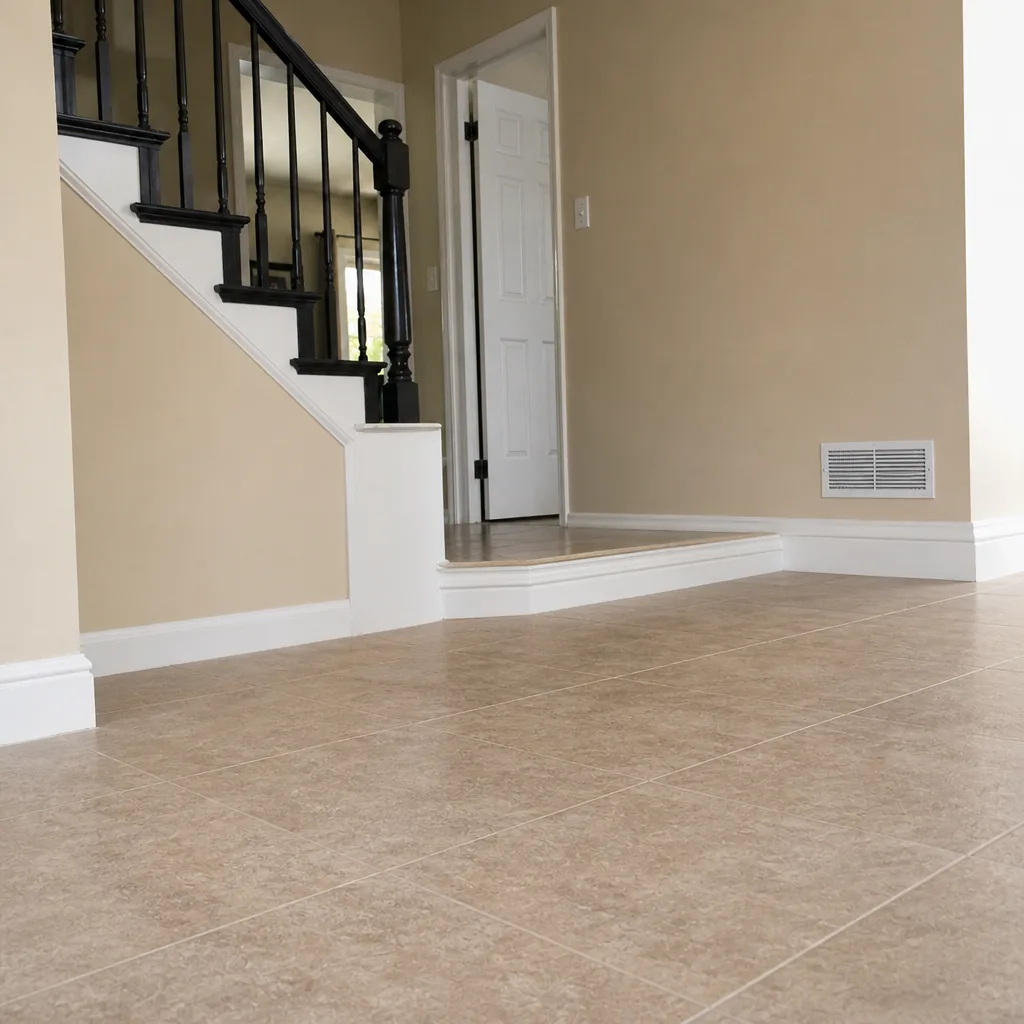 After
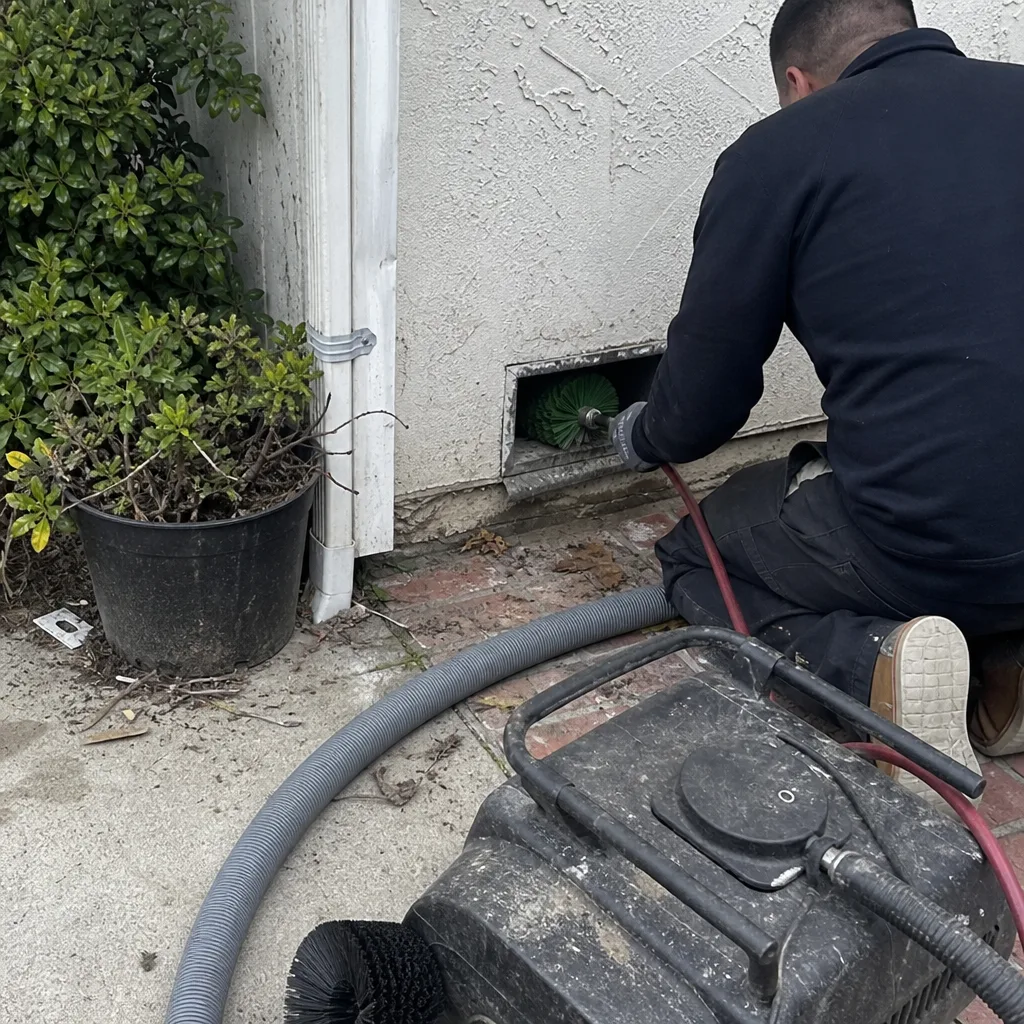 Before
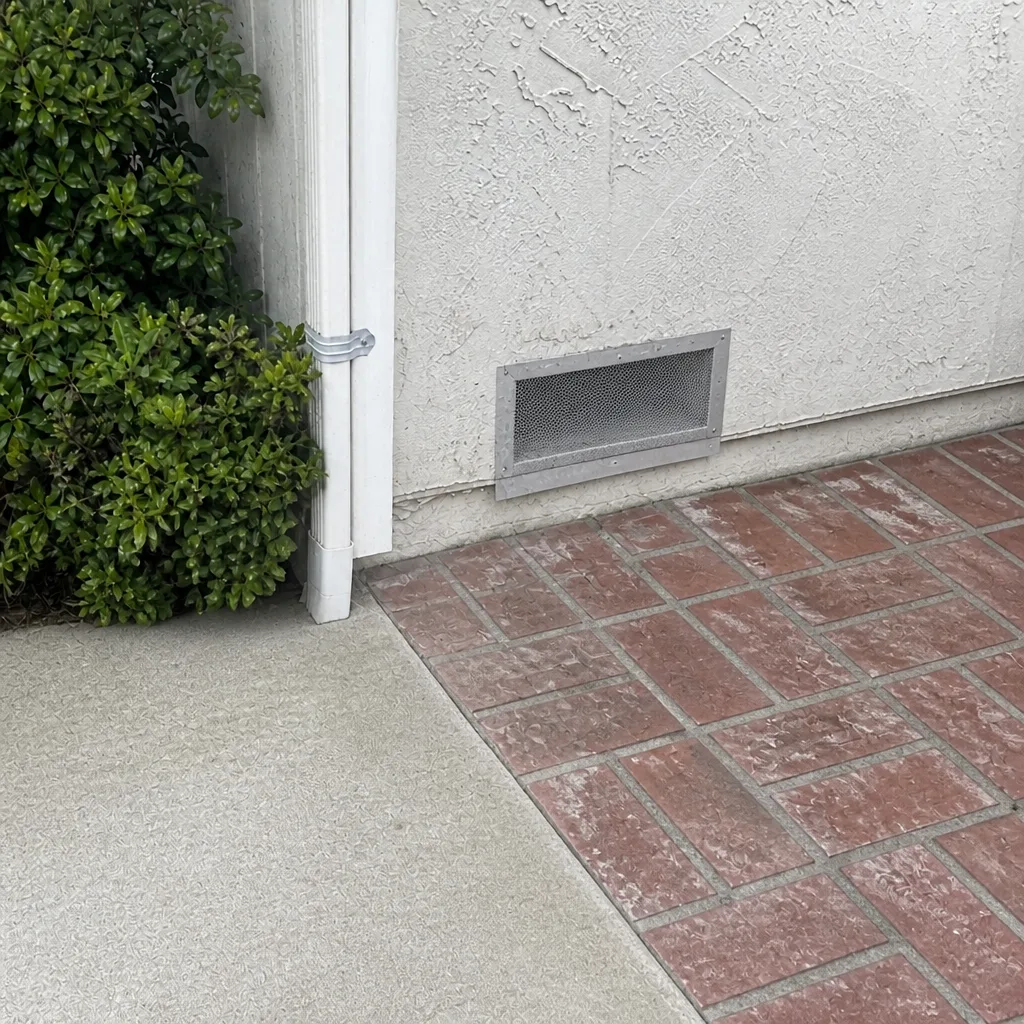 After
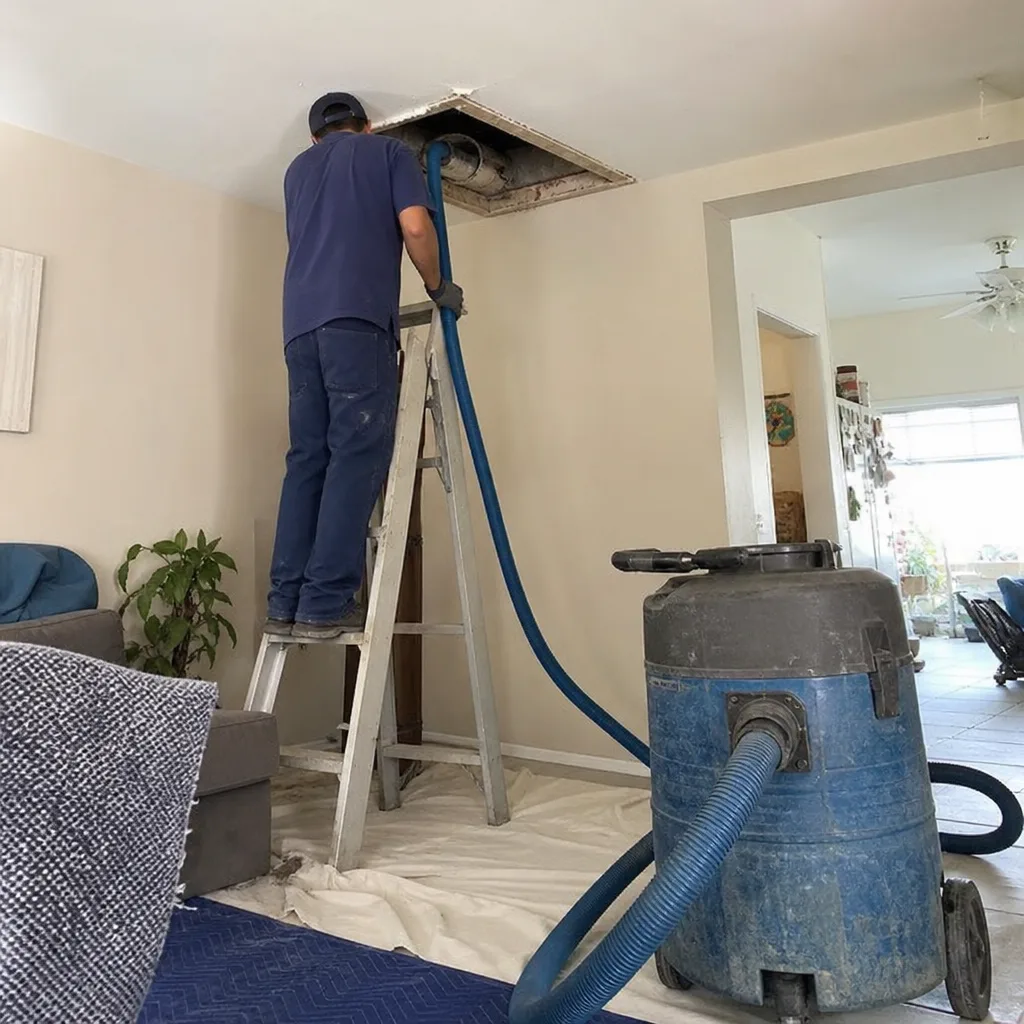 Before
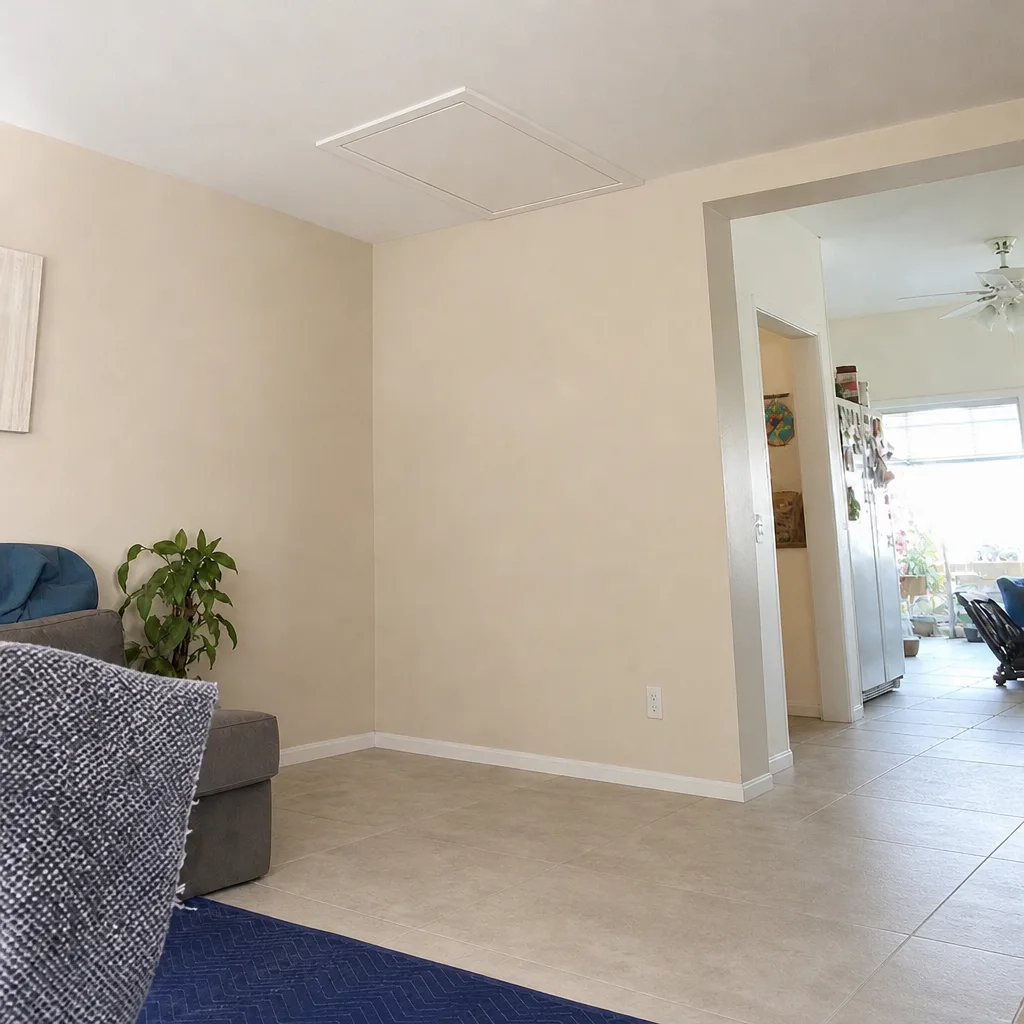 After
Dryer Vent Cleaning and Post-Emergency Safety
Duct preparedness after an emergency usually focuses on the HVAC, but the dryer vent is the other duct system in your home and it deserves a place on the same checklist. Lint buildup in a dryer vent is a documented leading cause of residential fires, and a post-emergency inspection is a good moment to address it. If a wildfire smoke event or a quake has just reminded you to check the HVAC, check the dryer vent the same week.
Signs the dryer vent needs attention:
- Clothes take longer than usual to dry. A sign of restricted airflow in the vent run.
- The dryer body gets noticeably hotter than it used to. Restricted venting keeps heat in the appliance.
- Lint is visible around the outside vent hood. Lint escaping the exterior hood means buildup inside.
- A musty or burnt smell in the laundry area. Any burnt smell is a reason to stop using the dryer until the vent is checked.
Dedicated dryer vent cleaning as a standalone service matters because most duct cleaners treat it as an add-on. We treat it as a safety service in its own right. In Huntington Beach, where laundry spaces are often interior closets with long vent runs, the risk of unnoticed buildup is higher than in homes with short exterior runs.
Common Mistakes to Avoid
- Running the HVAC immediately after a smoke event without checking the filter. A loaded filter becomes a distribution point the moment the blower starts. Replace it first, and inspect the return grilles before you run a full cycle.
- Assuming the ducts are fine after an earthquake because nothing looks wrong. Most duct damage hides behind drywall, in soffits, or under the slab. If airflow changes at any register, schedule an inspection rather than waiting to see if it “settles in.”
- Drying out a wet duct system by simply running the fan. Running air through wet insulation spreads mold spores through the house. Shut the system off and let the space dry before any inspection.
- Taping over a compromised duct run and calling it fixed. Foil tape is a temporary measure while you wait for service. It’s not a repair, and it won’t hold through the next cooling season.
- Accepting a verbal scope of work after an emergency. Get it in writing, with dates, equipment names, and what was found. It’s what your insurance adjuster will need.
- Skipping the dryer vent because the HVAC was the “real” problem. Lint fires don’t wait for the HVAC to be fixed. Address both duct systems in the same week after any major event.
- Using a shop-vac or consumer vacuum on duct interiors. Consumer vacuums don’t capture fine particulate, and they can push soot deeper into the system. Professional-grade equipment from brands like Rotobrush or Nikro exists for a reason.
When to Call a Professional
Some post-emergency duct problems are obvious and safe to handle yourself: a filter change, a visual register check, a documented photo set for insurance. Others need a trained eye. Call a professional when you smell smoke or mustiness at the registers more than a few days after a smoke event, when airflow is uneven between rooms after an earthquake, when any ductwork has been wet, or when you’re not certain whether a run is compromised. Our technicians have up to 13 years of experience with these exact scenarios in Huntington Beach homes. Huntington Beach Air Duct Cleaning Co offers free estimates in Huntington Beach. Call (855) 658-4076. We answer 24/7, fast dispatch from 7am to 7pm, Sunday through Friday.
Frequently Asked Questions
You need it if smoke reached the return-air side of your system, which is common after any event with AQI 150 or above in the area. The tell is a persistent smoke smell at the registers, soot on return grilles, or a fresh filter turning dark within days. If any of those show up, schedule cleaning before running the system on a normal cycle. Call (855) 658-4076 for a free estimate.
Before you run the HVAC for any meaningful period, if you can. Do a visual check of accessible runs the same day, then listen to the system with the fan on for a few minutes. If airflow is uneven or the system sounds different from before the quake, book an inspection before resuming normal operation.
Not without an inspection. Duct insulation and fiberglass liner can hold moisture for weeks even when the surface looks and feels dry, and mold growth inside a duct won’t be visible from the register. Keep the system off and have a technician check for staining, mustiness, and rust at the connections. Call (855) 658-4076 to schedule a free estimate in Huntington Beach.
Coverage depends on the cause and your policy wording, and we can’t make that determination for you. What we can do is provide the documentation most adjusters need: dated before-and-after photos, a written scope of work listing the equipment and products used, and any indoor air quality readings taken during the visit. Gather photos of the damage yourself as well, before any work starts.
Ask for before-and-after photos of your own ducts, not stock images. Any professional service should provide them, and the scope of work should describe what was found and what was done. If a provider can’t produce both, that’s your answer. Call (855) 658-4076 for a free estimate from a team that documents every job.
Temporary sealing is foil tape or plastic over a compromised run, meant to last hours to a couple of days while you wait for service. A real duct repair involves diagnosing the source, then joining, sealing, or replacing the affected section with proper materials. Duct repair and sealing on the same visit is the goal after an emergency, so the problem doesn’t come back after the next season change.
The Bottom Line
Emergencies in Huntington Beach rarely end when the shaking stops or the smoke clears. What lingers in the ducts is often worse than what happened on the surface, and restarting the HVAC is the fastest way to spread it. Stop the system, check the filter and return grilles first, inspect accessible runs for mechanical damage, and treat any wet duct as a stop-and-inspect situation. Document everything before repairs begin, keep temporary sealing temporary, and address the dryer vent in the same week. If the answer isn’t obvious from a walk-through, get a professional inspection. Huntington Beach Air Duct Cleaning Co handles air duct cleaning, dryer vent cleaning, HVAC cleaning, duct repair and sealing, and air quality and sanitizing on one visit when needed. Call (855) 658-4076. We answer 24/7, fast dispatch from 7am to 7pm, Sunday through Friday.
Huntington Beach homeowners deserve to understand what’s in the air they breathe every day, and we write about it accordingly. For the full scope of what we do in Huntington Beach, start with Huntington Beach Air Duct Cleaning Co.
Written by the team at Huntington Beach Air Duct Cleaning Co.